
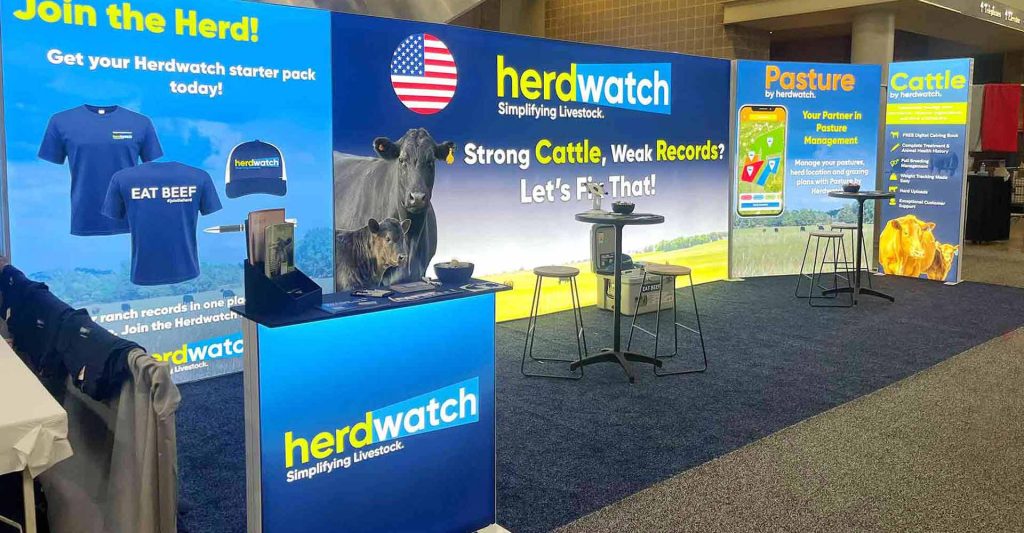
Guest article by Joyce at Frame Plus.
Trade show floors are busy places. A small exhibitor may be competing for attention next to larger booths, louder demos, hanging signs, product samples, and fast-moving aisle traffic. In that setting, visibility is not only about having a bigger booth. It is about making the message clear enough to understand at a glance.
That is where a lightbox display can be useful. Compared with a standard printed banner, a lightbox uses internal illumination to make graphics brighter, cleaner, and easier to read from a distance. The goal is not to make the booth flashy. The goal is to help the right visitor notice the brand, understand the offer, and decide whether to stop.
For small exhibitors, the first job of a booth is often simple: communicate who you are, what you offer, and why someone should care. A backlit graphic can support that by turning the main wall, counter, or side panel into a stronger visual anchor. Instead of relying on a table cover and a few signs, the booth has a clear focal point.
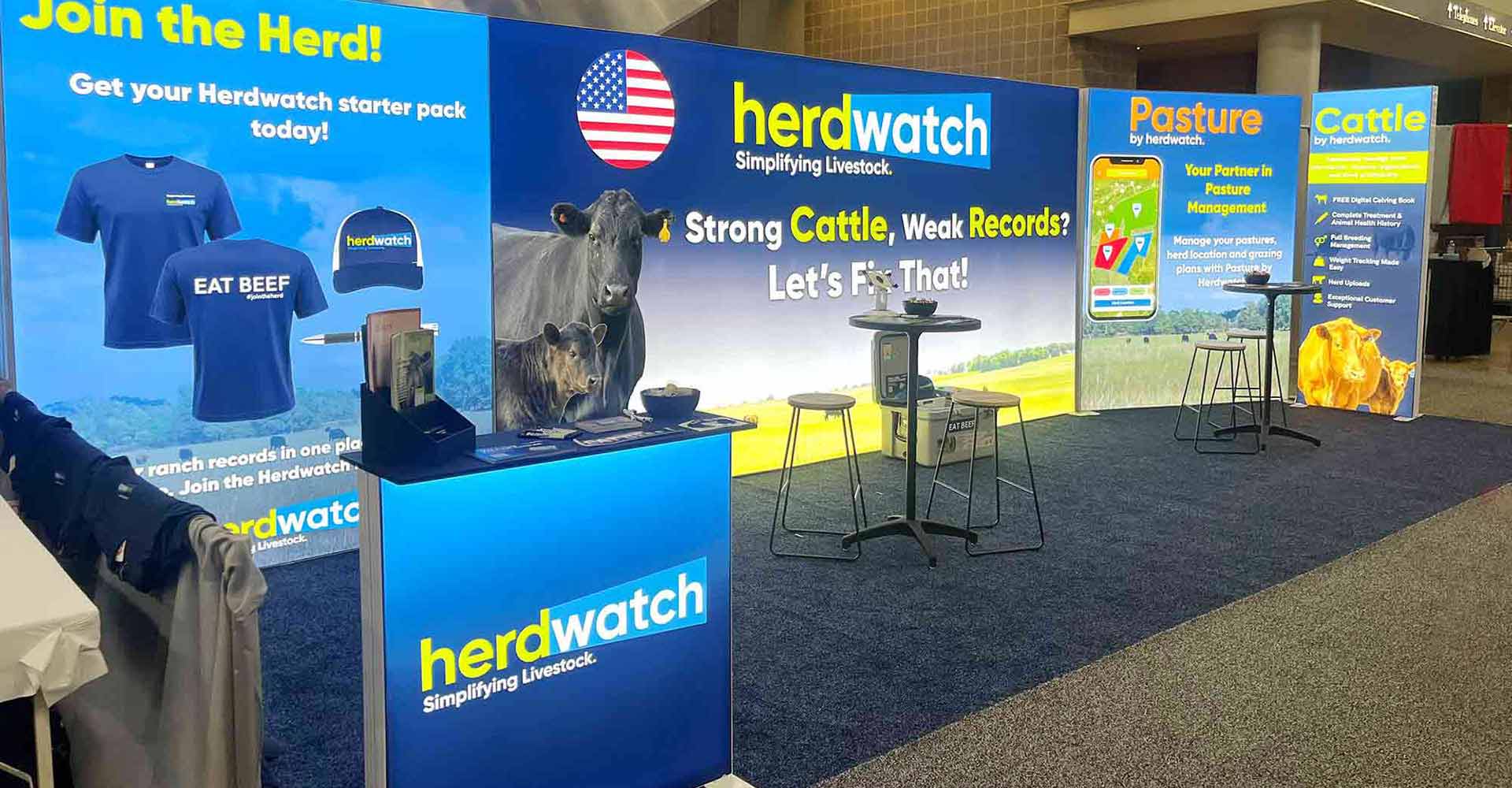
A trade show lightbox display works best when the graphic is planned carefully. The most effective designs usually have one primary message, strong contrast, and limited copy. A visitor walking past the booth should not have to read a paragraph. A short headline, a recognizable product image, and a clear brand mark will usually do more than a crowded layout.
Many lightbox displays use SEG graphics, which are fabric graphics finished with a silicone edge that fits into the frame. For exhibitors, this can be helpful because the graphic sits cleanly in the display and can often be changed for different shows or campaigns. A company that attends several events may use the same frame while updating the visual message for a product launch, seasonal promotion, or new audience.
Modular lightbox displays can also help with booth planning. A small business may start with a single backlit wall or counter and later expand into a larger booth layout. The advantage is flexibility. Instead of rebuilding the entire booth for every event, the exhibitor can think in terms of sections: a main brand wall, a product area, a meeting point, and a simple lead-capture space.
Setup should also be part of the decision. A display that looks good but takes too long to assemble may not be practical for a small team. Before choosing a system, exhibitors should ask how many people are needed, whether tools are required, how the graphics are installed, how the parts are labeled, and how the display packs for transport.
Lighting quality matters as well. A lightbox display should illuminate the graphic evenly, without obvious dark areas, distracting hotspots, or color shifts that make the artwork appear inconsistent with the brand guidelines. If the booth uses several displays, the color temperature should feel consistent across the space.
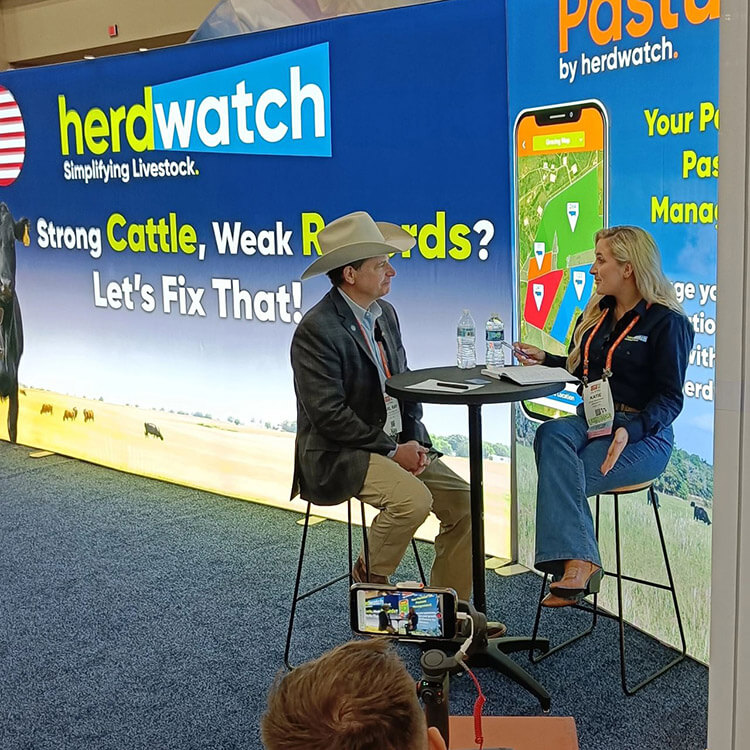
Small exhibitors should also avoid treating the lightbox as the entire booth strategy. The display attracts attention, but the booth still needs a clear offer, trained staff, simple lead capture, and a reason for visitors to engage. A strong visual wall can open the conversation, but the booth team has to continue it.
For many small businesses, the best trade show booth is not the most complicated one. It is the booth that is easy to understand, easy to set up, and strong enough visually to compete on a crowded floor. A well-planned lightbox display can help create that professional presence without requiring a fully custom build.
Joyce is the Marketing Manager at Frame Plus, a display solutions brand focused on modular SEG lightboxes, backlit trade show displays, and lightweight booth systems for exhibitors, retailers, and event teams. Frame Plus helps businesses create cleaner, brighter, and easier-to-set-up display environments for trade shows, pop-ups, and branded events. Learn more about the SEG lightbox.
 Tim Patterson has been helping companies navigate the trade show world since 2002. He owns TradeshowGuy Exhibits and writes here about exhibit design, marketing, industry trends, and lessons learned from more than two decades on the show floor.