Best tradeshow marketing tips and case studies. Call 800-654-6946.

Tradeshow marketing

Reverse Engineering Tradeshow Success

What do ya mean, reverse engineering tradeshow success? If you ask Wikipedia, you get this: “Reverse engineering, also called back engineering, is the processes of extracting knowledge or design information from a product and reproducing it or reproducing anything based on the extracted information.”

Or: disassemble something and analyze the components to see how it works.

Or make it simpler yet: start with the end in mind. Know what you want when all is said and done and then figure out what steps are required to get there.
reverse engineering tradeshow success

Let’s take a look at one of the main purposes of tradeshow marketing: generating leads. Want 300 leads at the end of three days? You’ll need on average, 100 a day. If it’s a 7 hour-a-day show, you’ll want to generate just over 14 leads per hour, or about one ever four minutes. Give or take.

If, in your experience based on tracking numbers at a particular show, you know that about 1 in 5 booth visitors is a good candidate for your product of service. And out of those 20% of visitors, one-third are judged to be strong or “A” leads, worthy of following up on in the first few days after the show.

Given that, about 1 in 15 booth visitors is an “A” lead. Do the math, and you see you need 4,500 booth visitors, or 1,500 per day.

When you examine that number, do you think it’s realistic that you’ll see enough people at your booth to get a true, qualified lead ever four or five minutes? Is that assumption based on past experience, or is it just a wild guess?

Let’s take another perspective. If you know that there are going to be about 70,000 visitors to the show (it’s a pretty big show!), and you want just 300 leads in three days, you need about one out of every 233 visitors to stop by and do your thing to qualify them.

That’s one way to reverse engineer the math.

Now it gets a little more difficult. How do you reverse engineer tradeshow success on other things, such as your exhibit, your people, your giveaways?

As far as your exhibit, if you need to accommodate 1500 visitors a day, that’s about 200 an hour. If you need about 5 minutes with each visitor to determine if they’re a qualified lead, that’s 1000 minutes. That means a total of 16 2/3 hours of actual time during each hour of the show. Rough math means you need about 20 people in your booth to be there for each hour. Which (doing the math again), you’ll need a sizeable booth space to accommodate 40 people at any given time.

If that’s not reasonable given your budget and space, you’ll want to spend time examining your overall realistic expectations for how many leads you’ll generate during the show.

Of course, real life doesn’t work just like the math we just walked through. Some visitors are disqualified instantly. Some people will take longer to qualify, especially when it comes to your follow up.

My advice? If you haven’t done so, set a baseline at your next show. Do your best to count booth visitors, track leads daily if not hourly, and add everything up once the show is over. Do it for each different show to see how they compare. Then when the same shows roll around next year, you have a starting point. Put practices into place that allow you to better engage visitors, create pre-show marketing strategies that bring more targeted folks to your booth, and make sure that your post-show follow-up system is solid.

Reverse engineering tradeshow success may be an odd way to look at how you get from Point A to Point B, but it’s as good as any, and better than many.

Grab our free report “7 Questions You’ll Never Ask Your Exhibit House” – click here!

You’re a Tradeshow Manager? Face It: Your Job is Never Done

As a tradeshow manager, your job is never done. Is that a bit daunting? Not every tradeshow manager job is the same, but I would hazard a guess that many of the duties are similar from person to person.

tradeshow manager

You count the number of shows your company will exhibit at during a year. Some shows require that you ship the large island booth, some require the uber-cool inline booth and lots of products. Others require just a table top exhibit with a good backdrop. Some may need a professional presenter. Each show has its own guidelines, shipping and logistic requirements, not to mention your internal goals: different product launches or promotions, different personnel needs, different graphics for different audiences and more.

Then there’s the travel: scheduling and booking flights, hotels, rental cars, meetings and more. Packing, schlepping to the airport, to the hotel. Bring a good book to read, or get some work done on the plane.

Then its show time! Meet and greet, pitch products, answer questions, gather lead information, answer more questions, meet after hours with clients or friends. Sleep? Maybe a little! Feel sore from all the walking? Yes.

Once the show is over, it’s time to pack it up, ship it back, make sure the leads are categorized and sent to the sales team for follow up. Maybe check the exhibit when it gets back to the warehouse to make sure it’s ready to go for the next show.

Back in the office, it’s time to reconcile payments made with receipts, track costs, fill in spreadsheets to calculate ROI and more. File papers, submit reports, share photos, solicit feedback on what worked and what could be improved.

Lather, rinse, repeat.

It doesn’t matter whether you’re a tradeshow manager and your job never ends. None of our jobs end until we decide. We learn to take breaks, get a breather, grab a coffee, go skiing, take a bike ride when we can.

Then we get back on the saddle and fully engage again. Because it’s a great job, isn’t it, and you wouldn’t stick with it if you didn’t love it, right?

Walking the Floor at the Cannabis Collaborative Conference

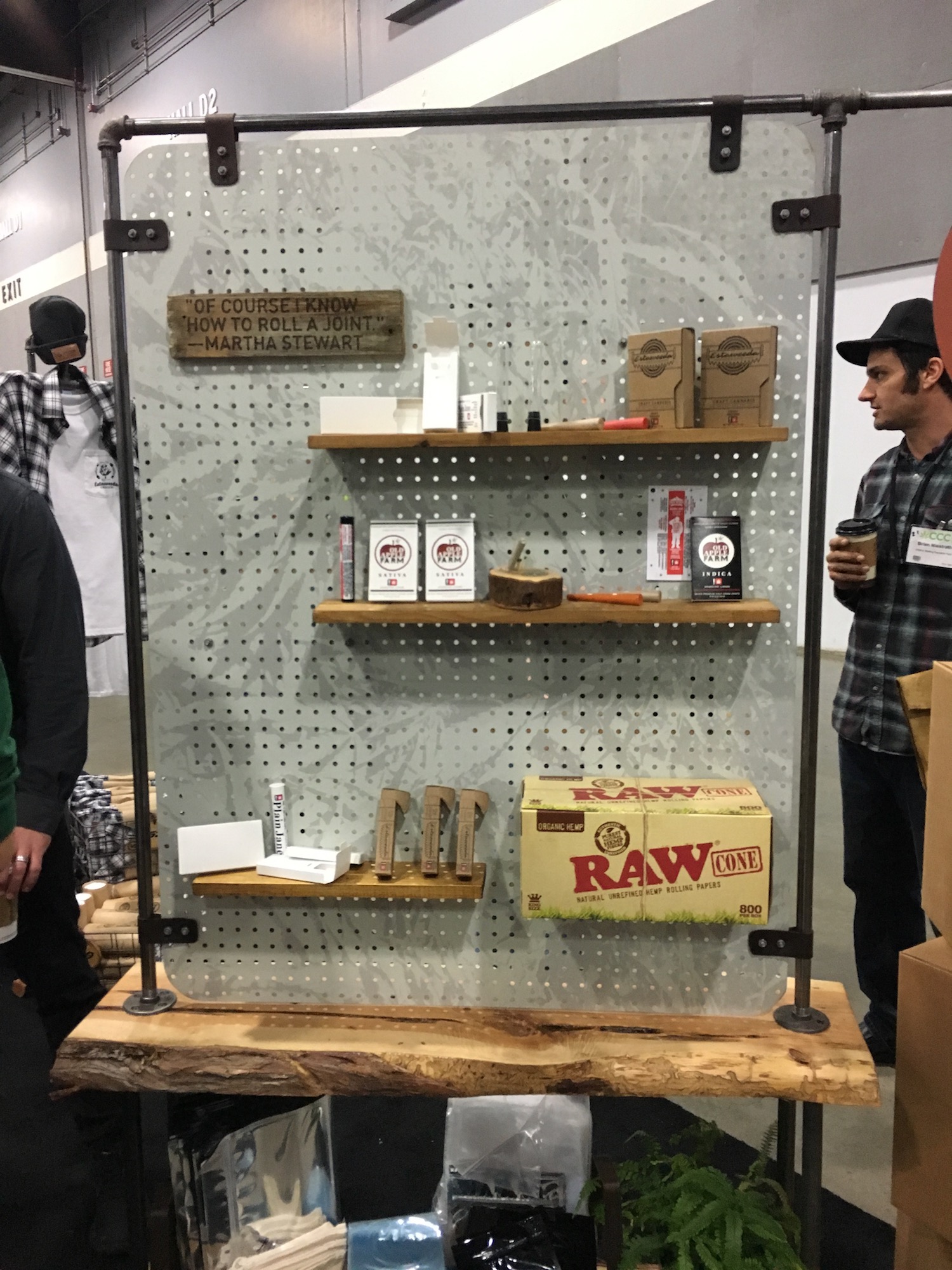
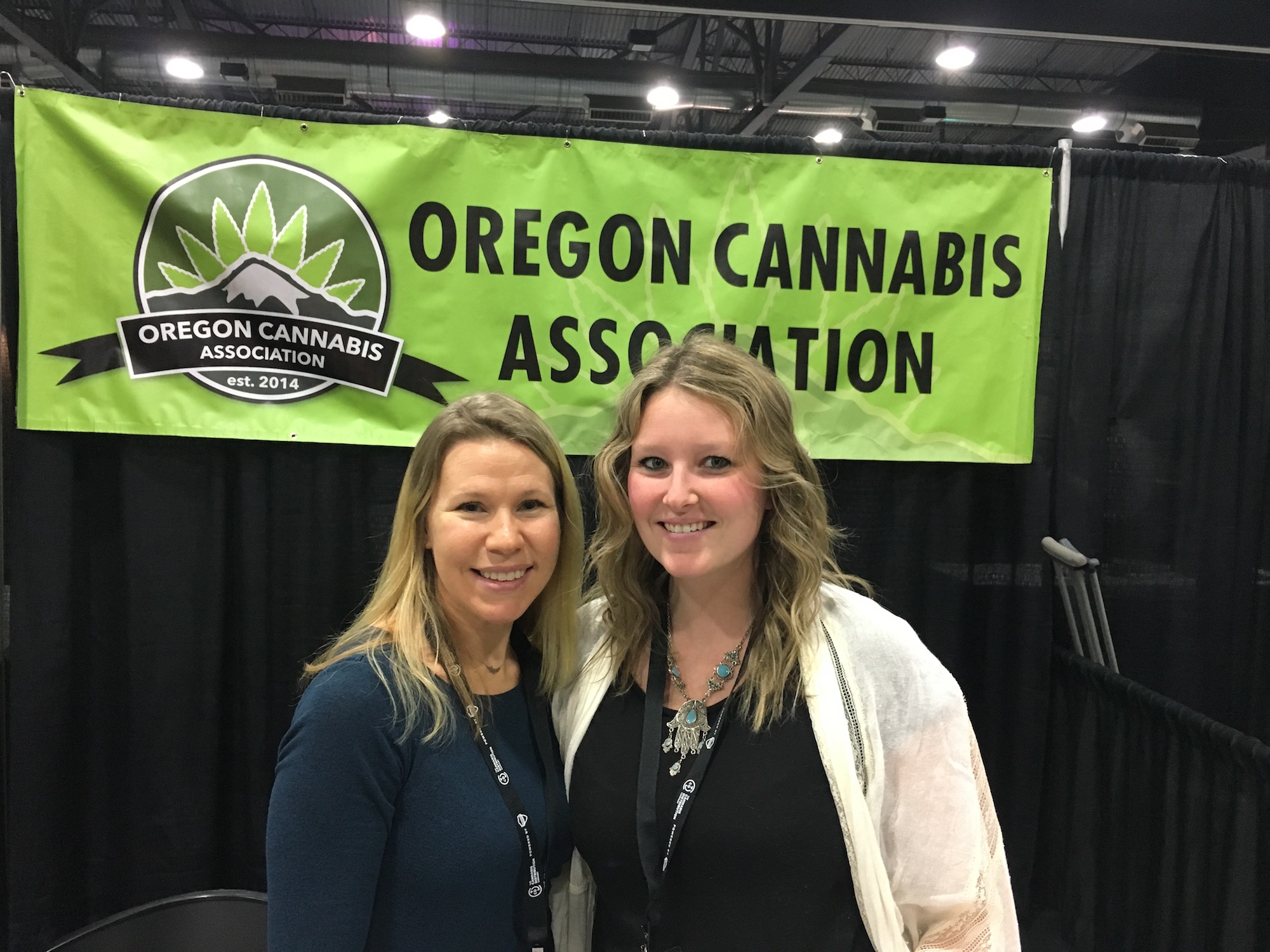
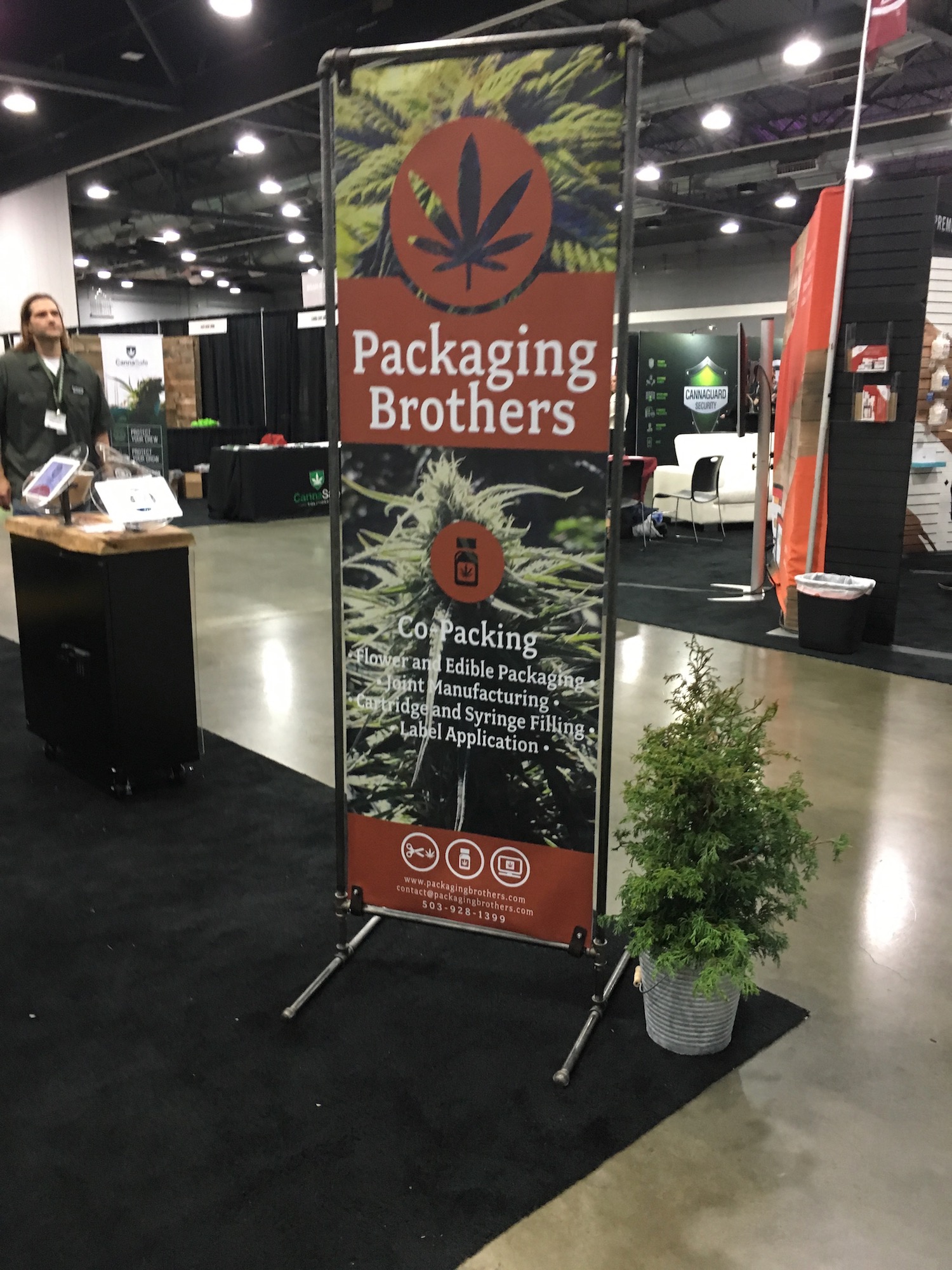
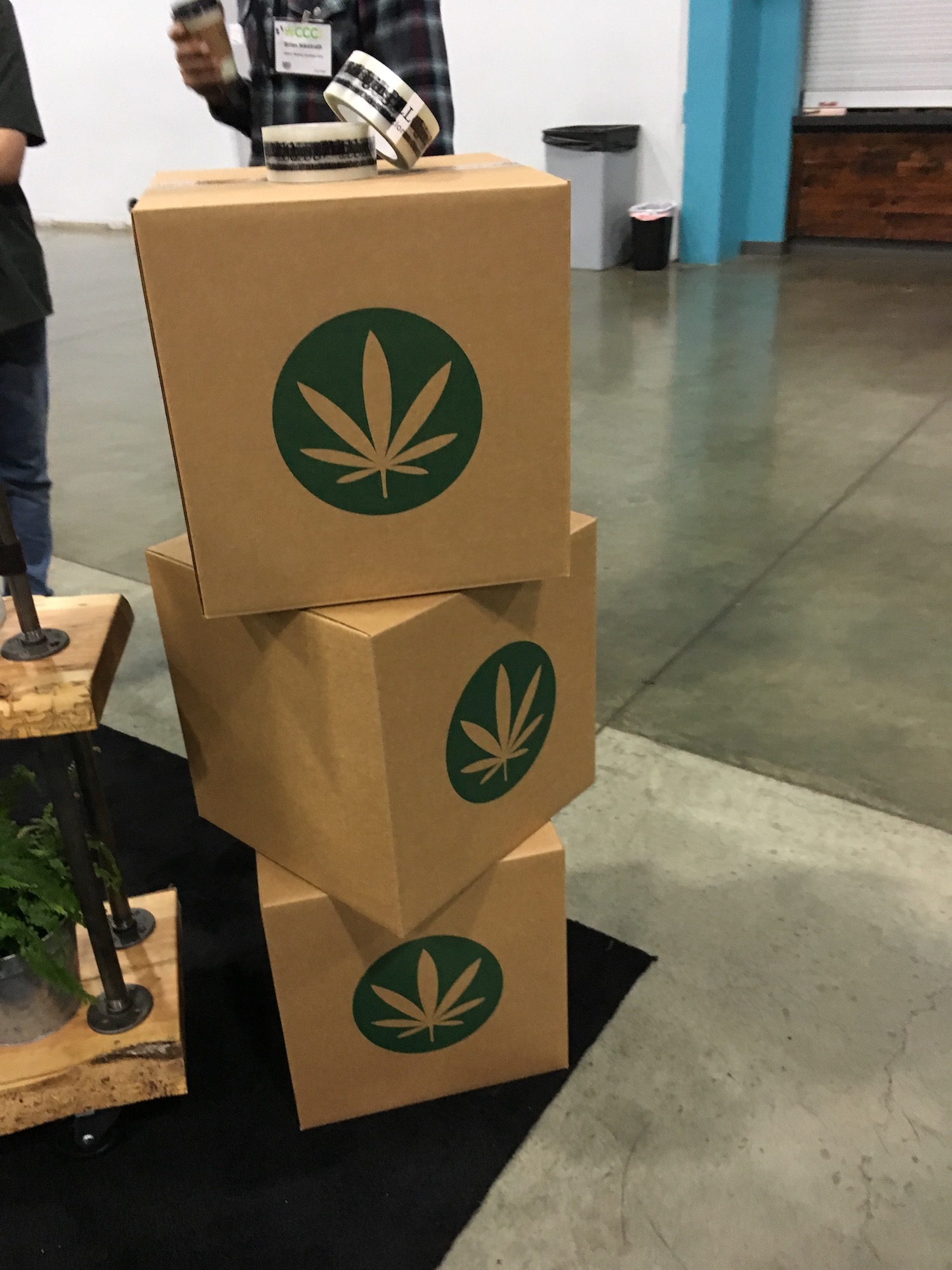
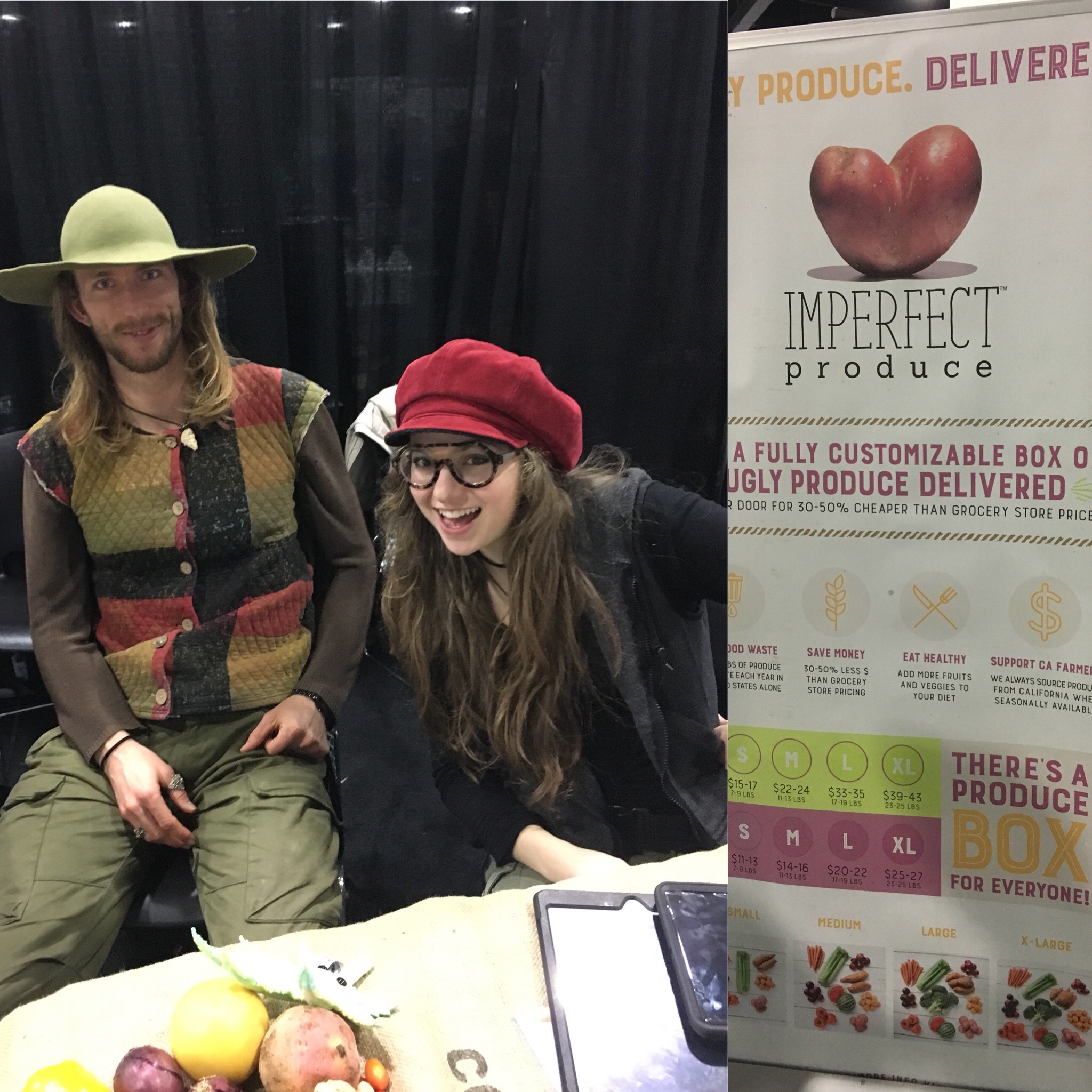
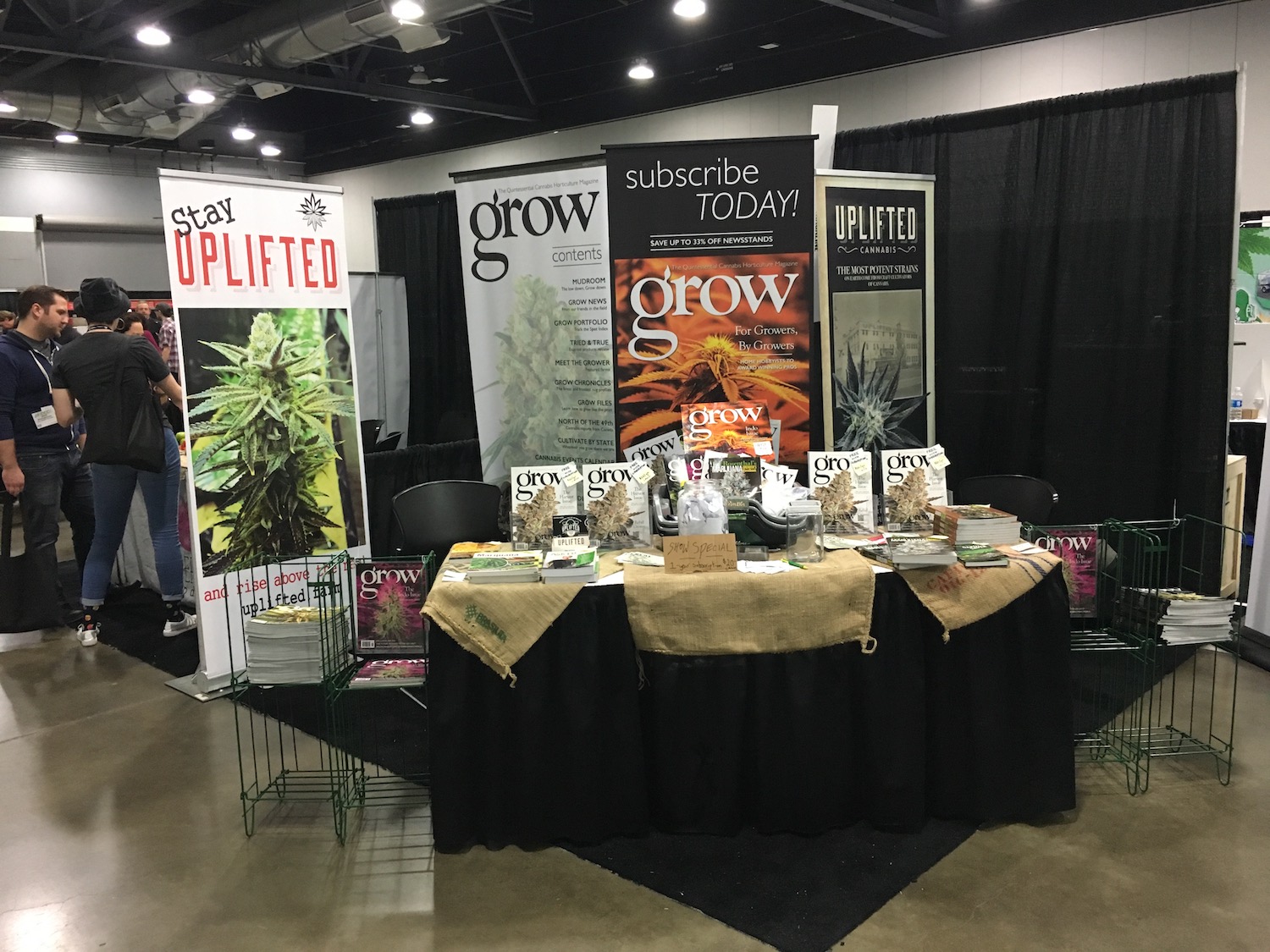
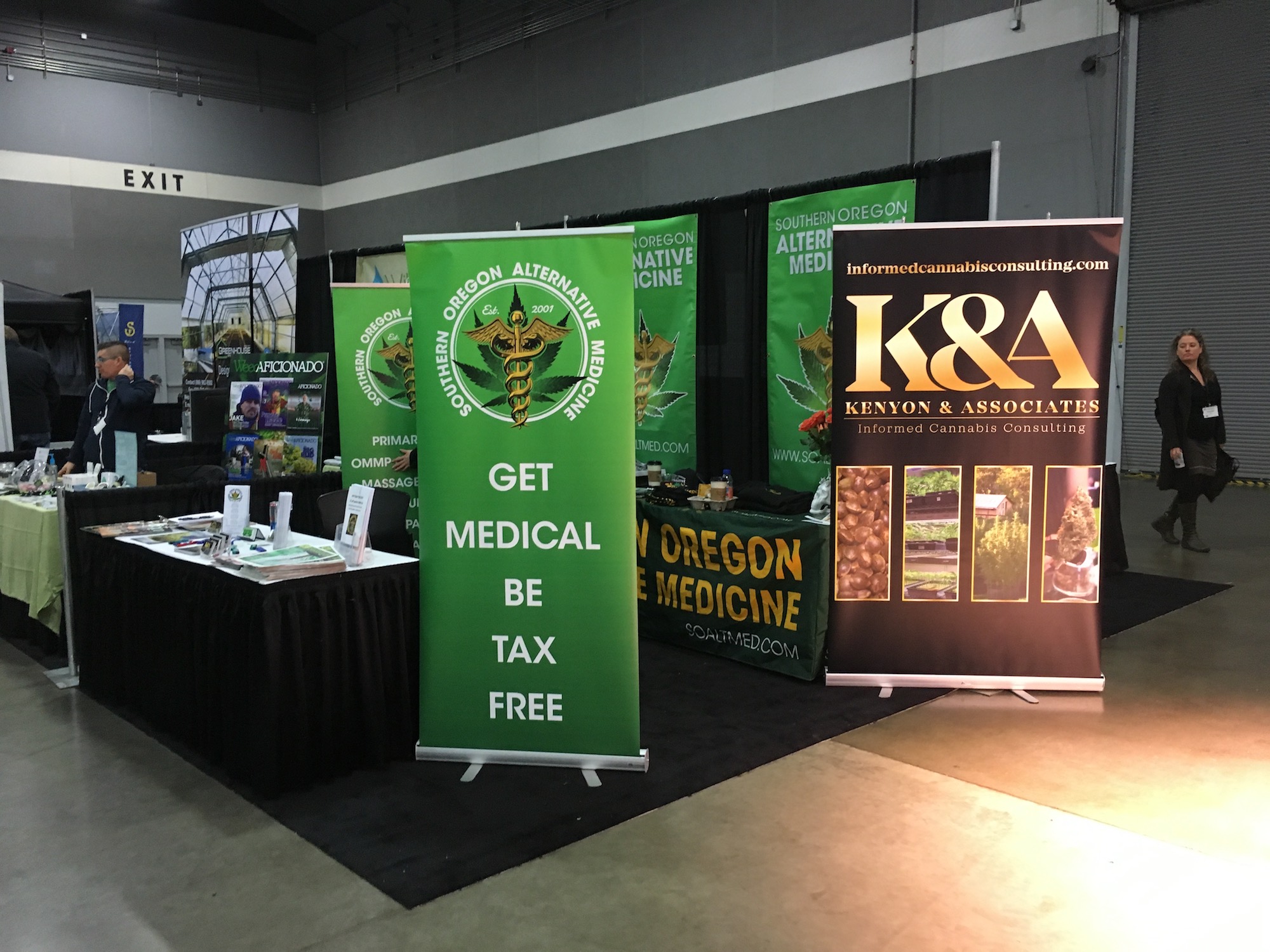
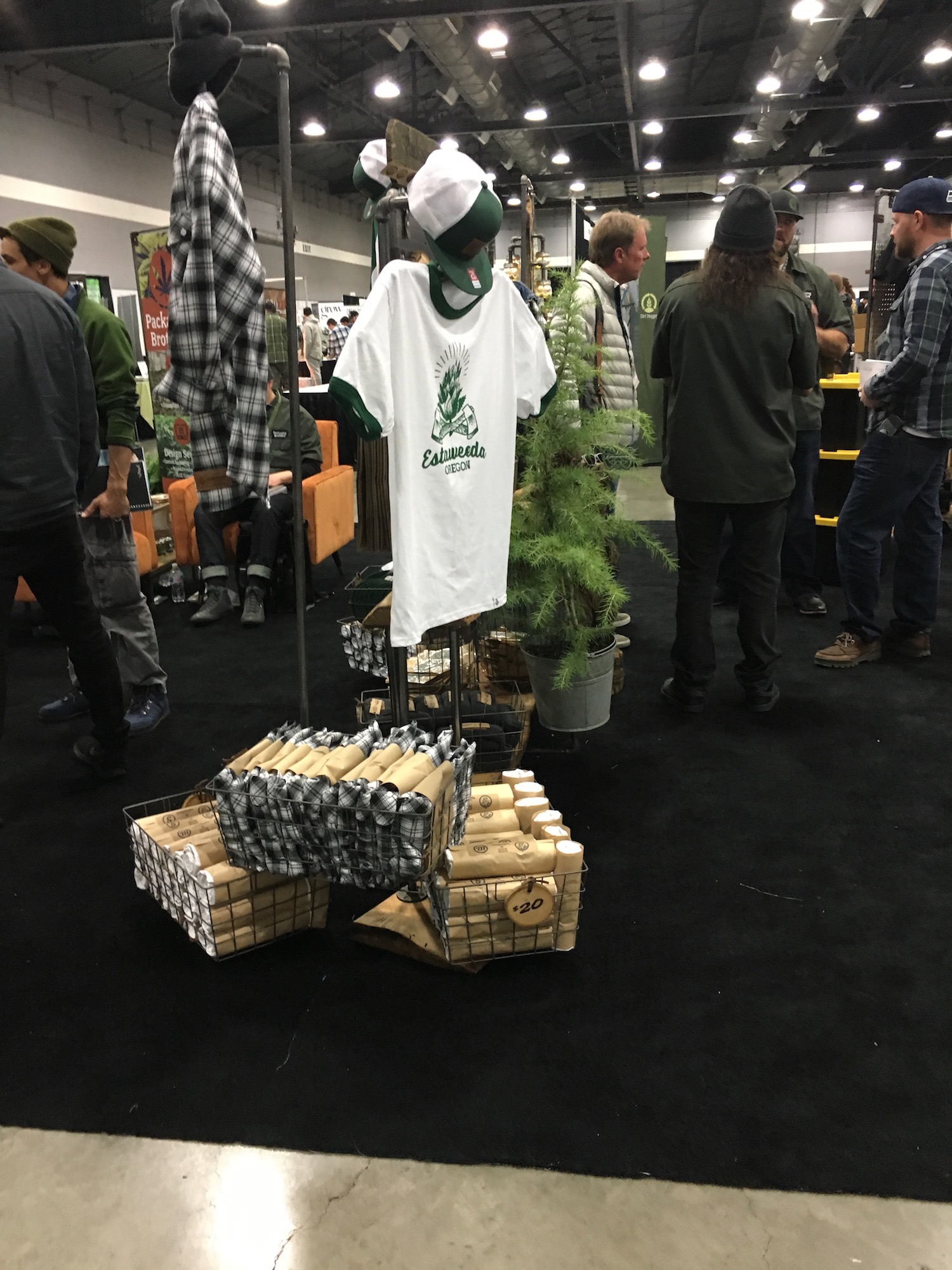
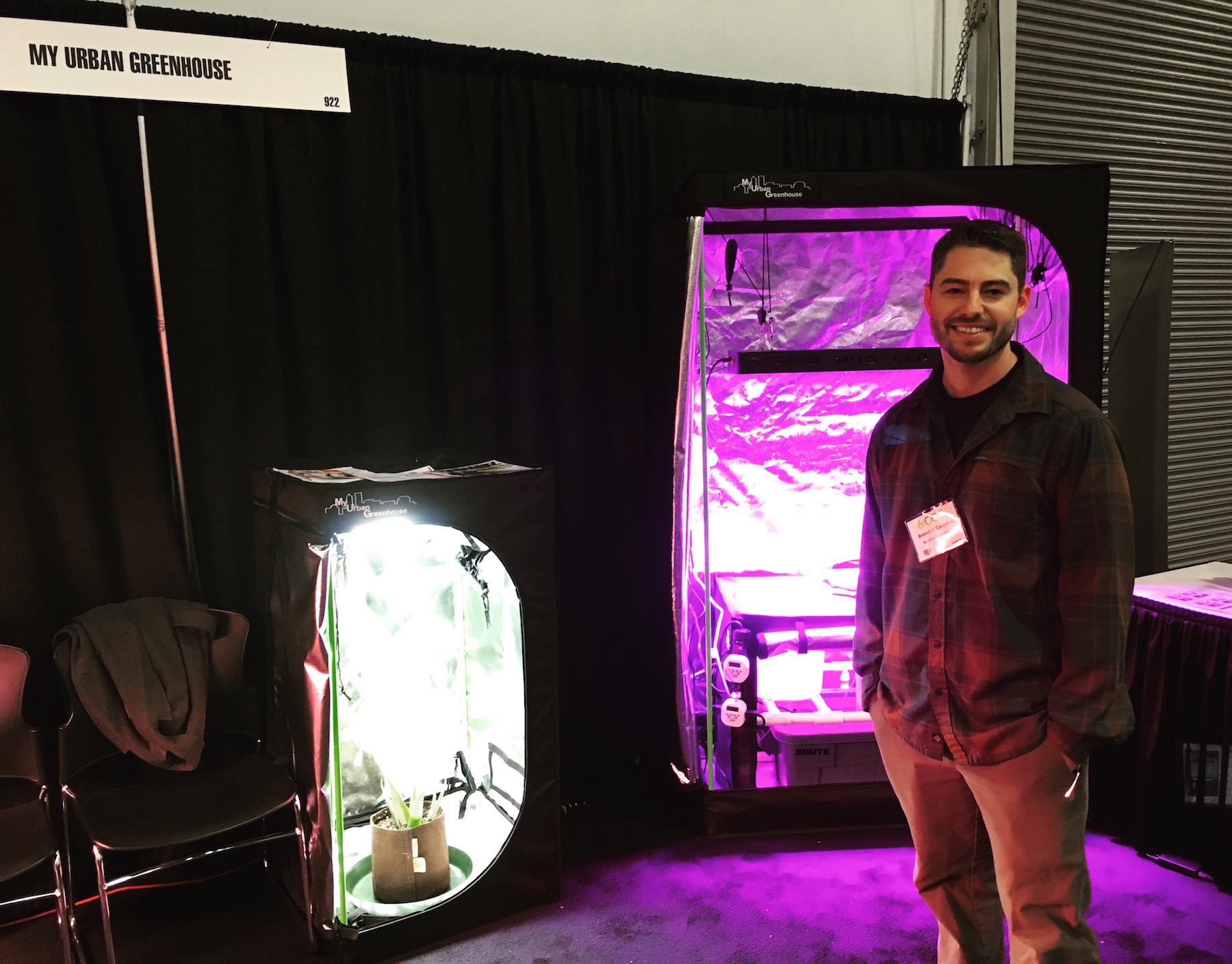
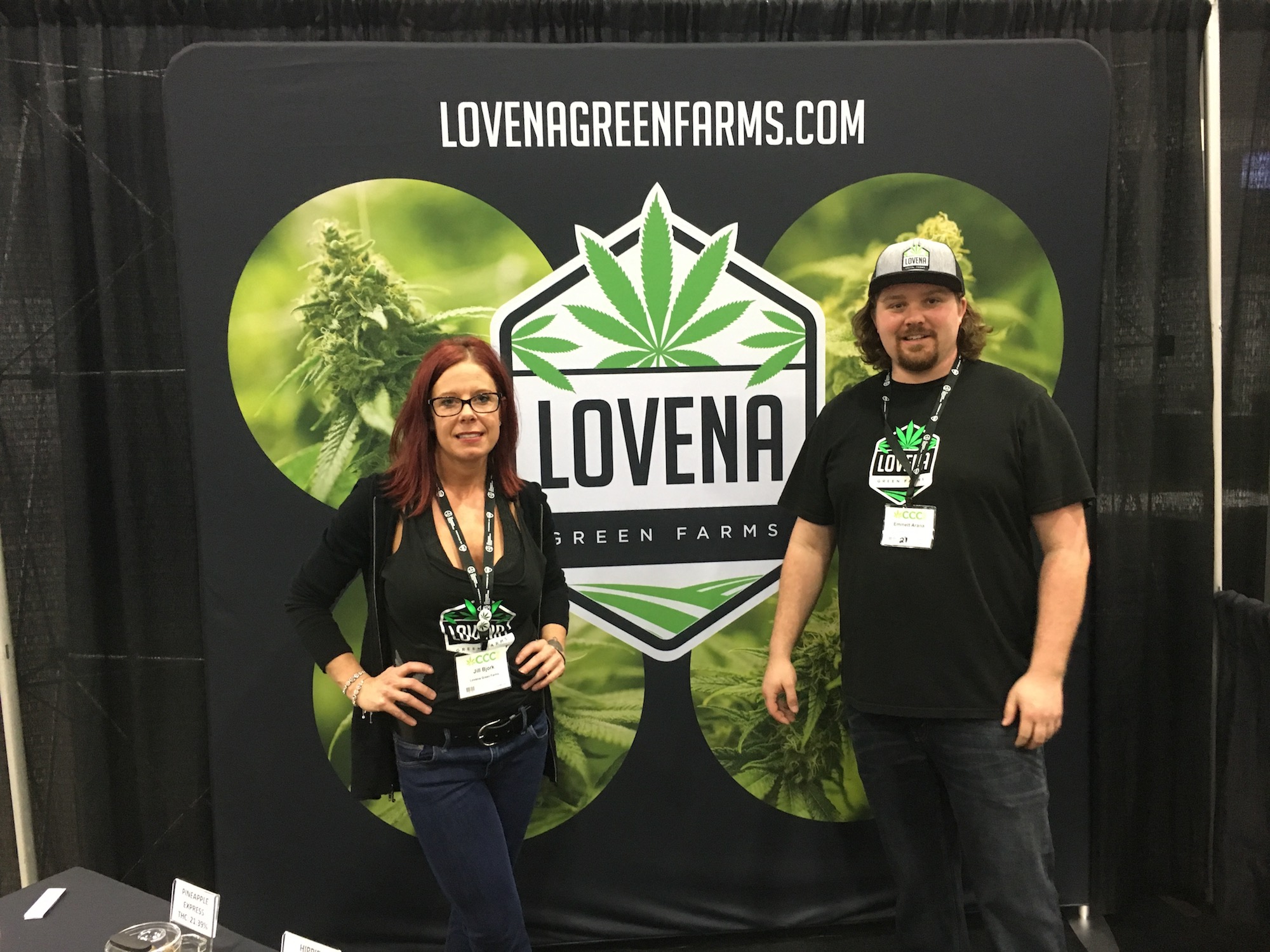
Here in Oregon, the cannabis industry is fast-growing, which means that tradeshows promoting the industry are popping up frequently. I walked the floor of the Cannabis Collaborative Conference last week, meeting people and posting photos of participants and exhibits on my social media outlets, especially Instagram and Twitter. I came up with a few takeaways:

Participants are very upbeat and positive about the future of the industry, despite the federal classification of marijuana as a dangers drug, and despite the recent announcement by the DOJ that they would more aggressively target people under federal laws, even in states that have legalized recreational marijuana.

One comment came from an exhibitor, who observed that attendees and exhibitors at this particular show were more likely those who were new to the industry, wanted to get into the industry or were smaller players. “The bigger players don’t need to be at this show,” she said.

CDB (cannabidoil) is exploding, positioned as a “non-high” pain treatment. A year ago it was barely mentioned. Today in Oregon it’s seen everywhere, it seems, and is heavily promoted as an alternative to other over-the-counter pain killers such as ibuprofen and aspirin.

I managed to see a portion of one of the presentations, which was a panel discussion on the challenges that the industry faces in the banking industry. As a cash business, stores are faced with getting that money into a banking system that resists the cash because, as institutions that are regulated by the federal government, they may be punished for doing just that. No easy answers!

I see that Oregon Representative Earl Blumenauer, that supports the industry, gave a keynote addressing the Department of Justice’s decision to repeal the Cole Memo. Would have liked to see that!

From the perspective of a tradeshow marketer, I saw a mix of good, clever and creative exhibits along with those that barely were able to cobble together a printed vinyl sign backdrop. Those that I talked to were excited about their position in the industry, though, and looked forward to being able to afford more expensive exhibits in the future.

Here are a few photos from the Cannabis Collaborative Conference.

12 Questions to Ask Yourself Before Exhibiting at Another Tradeshow

asking good questions

As an exhibitor, or someone who manages an exhibit program for a company, you have oodles of details to keep track of each and every show. This often means you don’t have time to stop and ponder the very act of exhibiting at a tradeshow. But sometimes taking time to do just such a thing is a good thing. These questions are not aimed at the logistics of your exhibit, but are pointer more towards the internal conversation you may have with yourself and how you and your staff approach the act of marketing while standing in a tradeshow booth with the intent of finding potential clients or customers.


  1. Do you have any blind spots?
  2. What are your hidden strengths?
  3. Are you really focused on the things that are important?
  4. When it comes to networking, do you push your comfort zone or do you play it safe?
  5. How well do you take care of yourself during the few days of the show?
  6. Does everybody on your booth staff know all of your products or services well enough to talk about them fluently?
  7. Do you sometimes talk too much to visitors just to fill time instead of letting them talk?
  8. Do you have three good questions to start a conversation centered on the needs your product or service fulfills?
  9. What information do you need to determine if a visitor is a prospect or not?
  10. Once you qualify a visitor, what precise information do you need from them to move forward?
  11. Are you comfortable you’re doing all you can to maximize the company’s time on the tradeshow floor without doing too much and getting burned out?
  12. Do you have a tested plan to gather all leads and get them back to the sales team in a timely manner?

I could go on and on, but the point is to have you examine your involvement in tradeshow marketing from a different perspective and see if you could find some areas to improve. What questions should you be asking yourself or your team?

TradeshowGuy Monday Morning Coffee, January 8, 2018: Charles Pappas

Welcome to a new year – so glad you found us online! This week’s interview on the TradeshowGuy Monday Morning Coffee features the author of a new book called “Flying Cars, Zombie Dogs and Robot Overlords.” Charles Pappas, a senior writer at Exhibitor Magazine, was kind enough to sit down with me and discuss this unique historical look at expos, exhibitions and tradeshows:

This week’s ONE GOOD THING: The new Beck album, Colors.

6 Tradeshow Essentials For Luxury Ecommerce Brands

This is a guest post by Patrick Foster, ecommerce entrepreneur & coach: “tradeshow essentials for luxury ecommerce brands.”


tradeshow essentials for luxury ecommerce brands

Get ready to impress — it’s time to meet your discerning customer face-to-face. For a luxury ecommerce brand, attending a tradeshow provides a great opportunity to make some sales and do some important market research. Not only will it give you the chance to meet customers face to face and promote your products in a completely different way, but you will also be able to see what the competition are doing. As all luxury brands know, staying ahead of your competitors is essential when it comes to standing out in a lucrative marketplace…

Here are six essentials to help you make the most of your next tradeshow in the luxury ecommerce market!

1.    Decide on your strategy

Having a solid strategy in place is essential for success at tradeshows:  from who needs to attend, to how you’re going to market your stand and generate leads post-show — everything needs to be mapped out well in advance. If not, you run the risk of wasting valuable marketing budget on a poorly executed show. It’s also a good idea to marry your offline/online marketing and create a tradeshow landing page (or at least blog and post about it in advance).

There are hundreds of tradeshows out there for ecommerce brands to attend – so it’s really important that you do your research and choose to attend the ones that best fit your overall brand strategy. It’s a bad idea to stress your business out by attending too many, or only going to the ‘safe shows’ where you stand to learn nothing new.

In the same way that you would review any other platform before deciding to promote your ecommerce business there, the tradeshow you choose to attend needs to fit your goals and objectives. Speak to previous attendees and delegates and spend time quizzing the sales team before you sign up.

2.   Plan an engaging & aesthetic stand

In the luxury market, your aesthetic says it all. Generally more understated and elegant in tone, luxury brands need to convey their heightened sense of self with a cohesive and ultimately beautiful stand. Color schemes and decorative flourishes need to highlight the more exclusive nature of what you’re offering. Look at fashion show centerpieces for inspiration.

This also means ensuring that your branding is 100% professional, and that you have a good amount of high-quality literature available for attendees to take away with them. For a luxury brand, you will want smaller print runs of high quality tokens and mementos, rather than a load of flimsy flyers. Samples and token boxes are good thing to give away to potential prospects or partners.

You also need to make sure that you have enough staff available to deal with enquiries, and that they also represent your company well by appearing smart and professional. Get your best people on the ground, including some people from sales and customer support who have firsthand product knowledge.

3.   Showcase your products effectively

It’s important to take a selection of products with you to display on your stand. And ensure they are showcased and displayed in the most attractive way possible, constantly patrolling the stand to ensure that the first reaction is ‘wow’. For a luxury brand, more is probably less — so only take your big sellers with you.

You need to make sure that your tradeshow offering mirrors the images that customers (or potential customers) have seen on your website. For luxury products especially, it’s essential that they are presented in a way that reflects their superior quality – you need to make them stand out and look desirable. Think of it like dressing a set before taking a perfect photo.

4.   Know your stock levels & capacity

If you’re going to actively take customer orders on your tradeshow stand, then you need to make sure that you know your stock levels or delivery capacity well in advance – just as you would monitor them when selling on your online store. Otherwise you run the risk of overselling, disappointing prospective customers and damaging your reputation as a result when you can’t fulfil orders fast enough. Luckily, most online store systems have built-in dashboards and inventory management systems to help you keep on top of everything when you’re on the go.

5.   Make sure you capture data

Attending a tradeshow means one thing in particular – the opportunity to meet lots of prospective customers and business partners. In order to maximize this opportunity, you’ll need to capture the email addresses of visitors to your stand in order to build a specific mailing list for your email database. Offering incentives such as discount codes or other offers can encourage attendees to give you their details.

In order to mirror the seamless online experience that customers have when shopping online, why not capture this data via a tablet? The visitor can even enter their details themselves and the data can then be imported into a database straight away – a win-win situation!

As people spend more and more time attending tradeshows, they can become more reluctant to part with personal data. That’s fine — you don’t want unengaged people clogging up your email list anyways. Don’t get too obsessed with capturing data — it could harm your brand reputation.

6.   Make sure you follow up on leads after the show

After going to all that hard work you need to ensure you follow up to qualify any potential leads. This means sending an email to customers to thank them for visiting your stand, or sending over other content that’s specific and timely. If you receive any queries back, it’s also important that you respond to these as soon as possible to ensure that you come across as a brand that gives good customer service – something that’s so important for anyone breaking into the luxury market.

Create some awesome content about the show and what you’ve learned in order to make the most of the event. Use the event as marketing collateral over the coming weeks and months.

When it comes to attending tradeshows, the most important thing to remember as a luxury ecommerce business is that your in-person offering mirrors your online offering. The two should be seamless in terms of presentation, offering, and service, in order to attract customers or attendees and drive sales as a result.


Patrick Foster, ecommerce entrepreneur & coach.

I’m Patrick Foster and I write about ecommerce and digital   technology trends. I’m passionate about helping ecommerce merchants reach their audiences online. You can find my blogs, articles and resources across a variety of entrepreneurial websites aimed at digital growth.

Managing Your Tradeshow Expectations

Did your recent tradeshow appearance live up to your expectations? Do you consider it successful or a failure, or somewhere in between? How do you measure how successful it was? Where do you start?

Often, it’s a matter of knowing what to expect. If you go into a tradeshow with very low expectations, it might be easy for it to feel successful. If you have no idea how many leads you might generate at a first appearance at a tradeshow that you’re unfamiliar with and you come away with a dozen possible new clients, you might consider that a success.

But if you have been to a show before and know that for the last three years you’ve come away with a hundred leads on average, getting just a dozen leads would be a dismal failure.

How do you determine what you can realistically expect when exhibiting at a new show? Talk to exhibitors who have been there before. Get a feel for their experiences. That’s a place to start. Talk to show organizers and ask them what to expect. Run the math on potential booth visitors.

tradeshow expectations

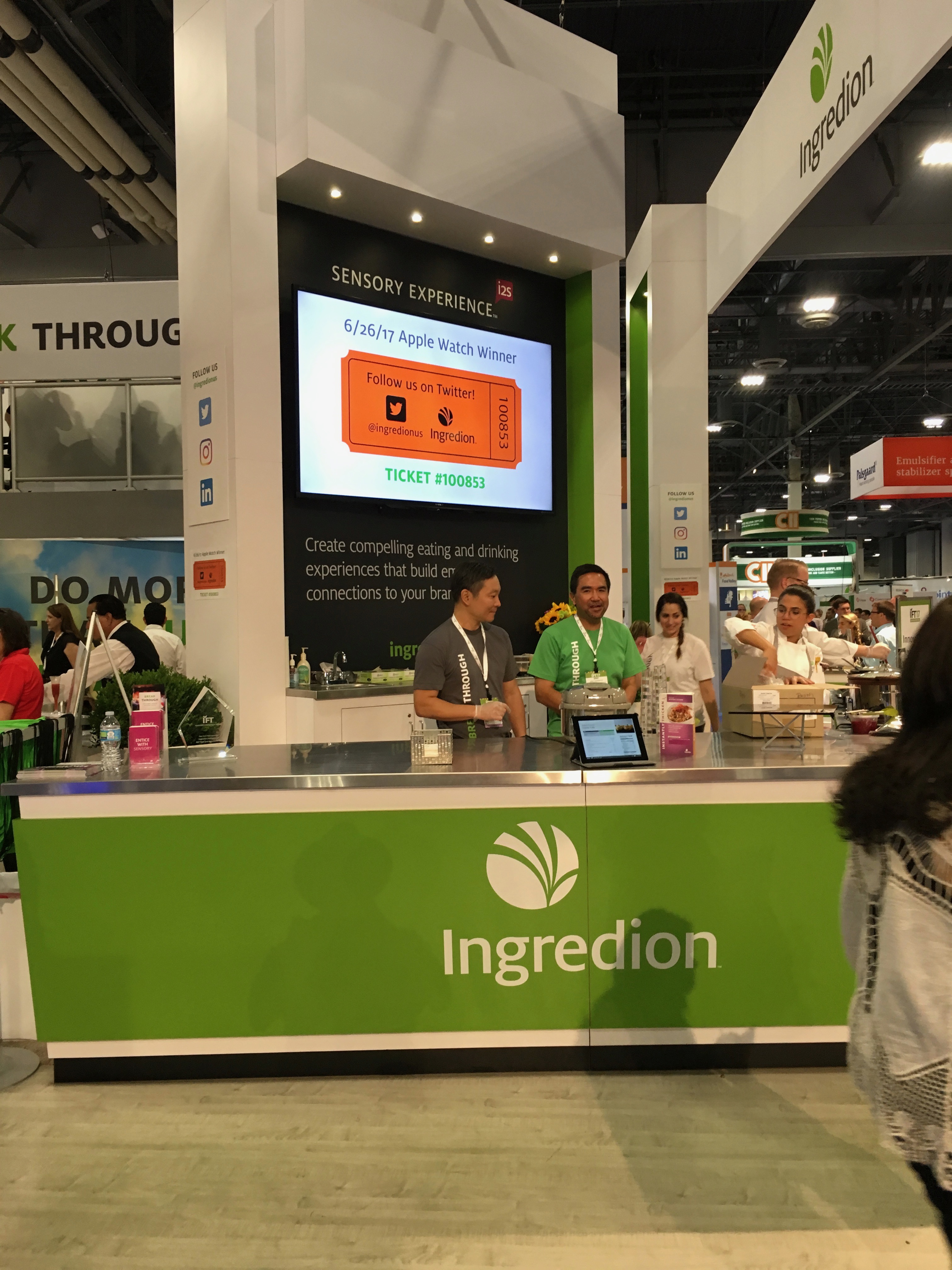
One of our clients upgraded the size of their booth from a 10×20 inline to a 20×20 island for an upcoming appearance at the International Food Technologists show in 2016. Sure, the exhibit looked great. People loved it. The president of the company was knocked out. But what about the results? Triple. That’s right, the new exhibit tripled their leads, which was way over their expectations. Frankly with the new exhibit it was hard to determine what to expect. But on the first time out with the new exhibit, to bring home three times as many leads as previously, was certainly seen as a big success.

Bottom line: do your best to determine realistic expectations. Don’t compare to what other companies may do or have done in the past. Work only to meet your expectations this time, and exceed them next time.


How to Build a Tradeshow-Specific Landing Page

Over the years I’ve suggested that companies create a tradeshow-specific landing page for each appearance they make at a show. But frankly, I don’t see too many of them.

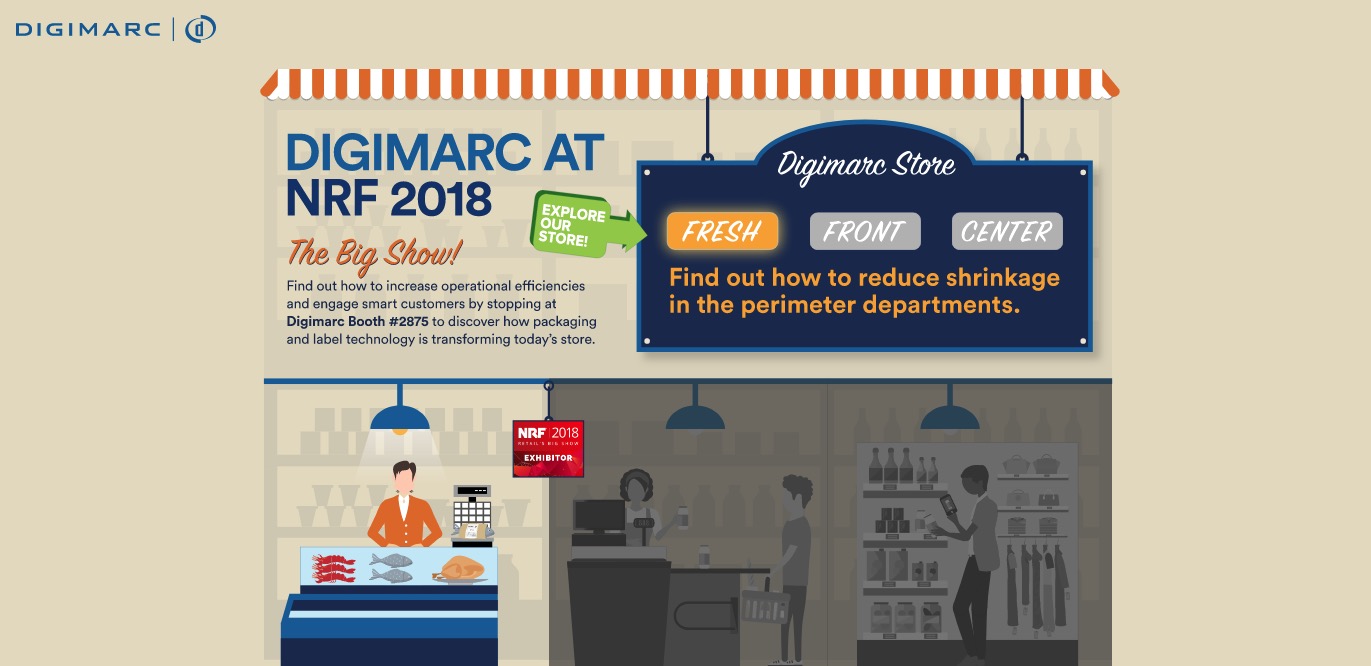
But I recently ran across a tradeshow-specific landing page from Digimarc that caught my eye. Digimarc is a Portland-based company that helps clientele with product identification, labels, barcodes and the like.

Digimarc has a tradeshow-specific landing page for their upcoming appearance at NRF 2018 at the Jacob K. Javitz Convention Center.

Let’s take a look at their landing page and see what they are doing right.

In the first screenshot, Digimarc starts off by everyone that they’re going to be at the NRF 2018. They mention their booth number and invite visitors to check out their store.

tradeshow-specific landing page

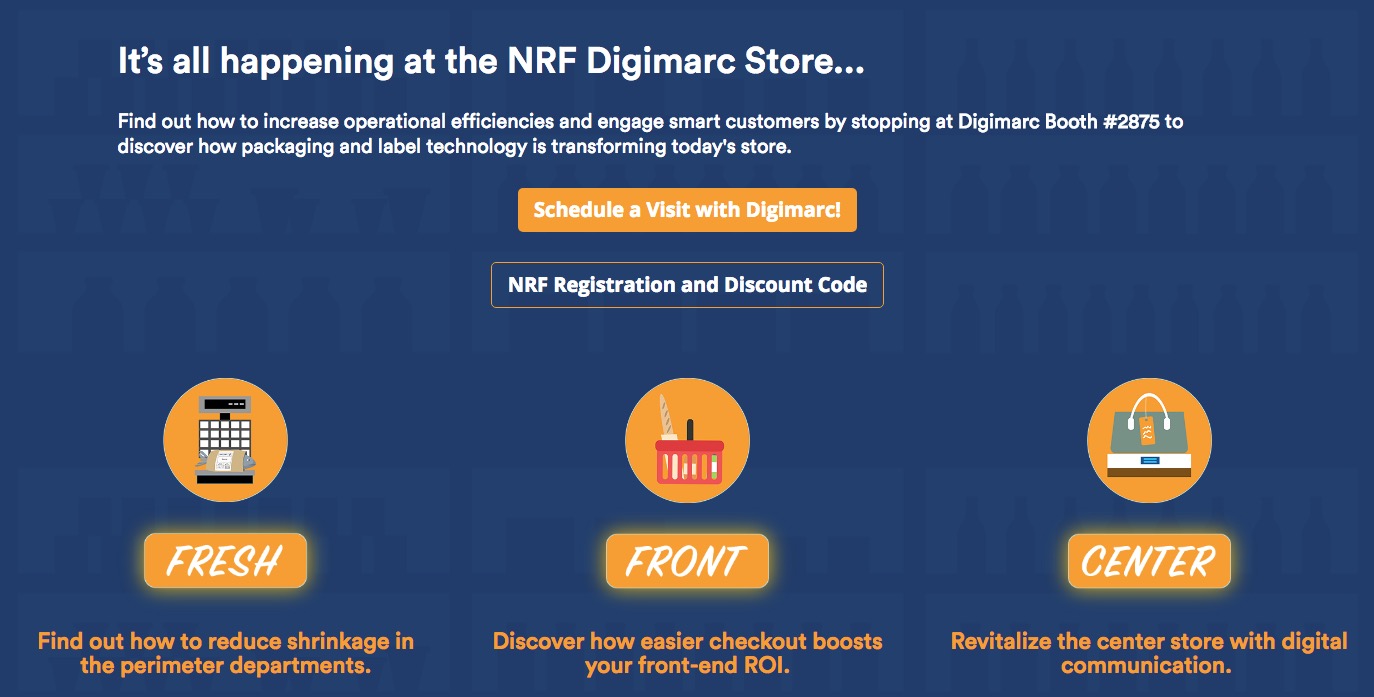
Next shot: you’re invited to dig a little deeper to learn about increasing operational efficiencies and more, and again mentioning the booth number. Right below that are a pair of buttons inviting you to schedule a visit with them at their booth, and offering an NRF Registration and Discount Code, reinforcing the notion that not only do they want to you stop by their booth, they want to make it easy:

tradeshow-specific landing page

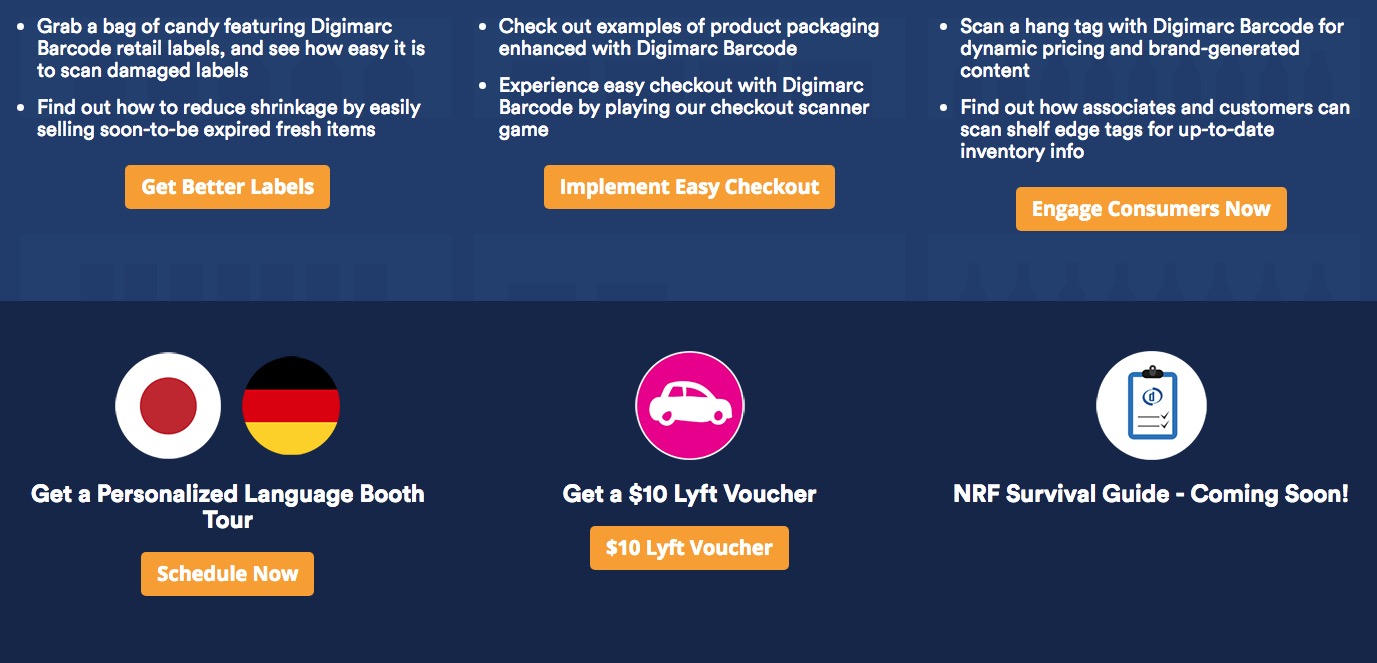
In the third screenshot, Digimarc offers a chance to learn even more specific knowledge, with buttons to get better labels, implement easy checkout and engage consumers now.

tradeshow-specific landing page

Finally, there is an offer to get a personalized language booth tour – when you click through, the options are to get a tour in Japanese or German – making it easier for those international visitors to make a connection with the company. Then there’s a Lyft voucher and (still to come) an NRF Survival Guide. It’s all capped off with an invitation to follow them on social media to continue the show connection.

tradeshow-specific landing page

Everything is clearly marked, easily understood and very specific. The only quibble I have is that the date and location of the show (NYC in January) are not on the page. But you might argue that anyone going to the show already knows that information, and this tradeshow-specific landing page from Digimarc is being shared with people who are already aware.

In any event, Digimarc did a great job with this.

My question is: why aren’t you doing this with your upcoming tradeshow appearance?

TradeshowGuy Monday Morning Coffee: December 4, 2017 [video replay/podcast]

Today’s TradeshowGuy Monday Morning Coffee caught up with the very busy Booth Mom Candy Adams. She’s been in the industry helping companies succeed at tradeshow marketing for years and shares a lot of great insights into how it all works – especially when you have to pull Plan B out of your back pocket:


ONE GOOD THING: Robert Plant’s new CD Carry Fire.

© Copyright 2016 | Oregon Blue Rock, LLC
Tradeshow Guy Blog by Tim Patterson

Call 800-654-6946 for Prompt Service
Copyrighted.com Registered & Protected <br />
QA4E-AZFW-VWIR-5NYJ