
Natural Products Expo West – Photo Gallery
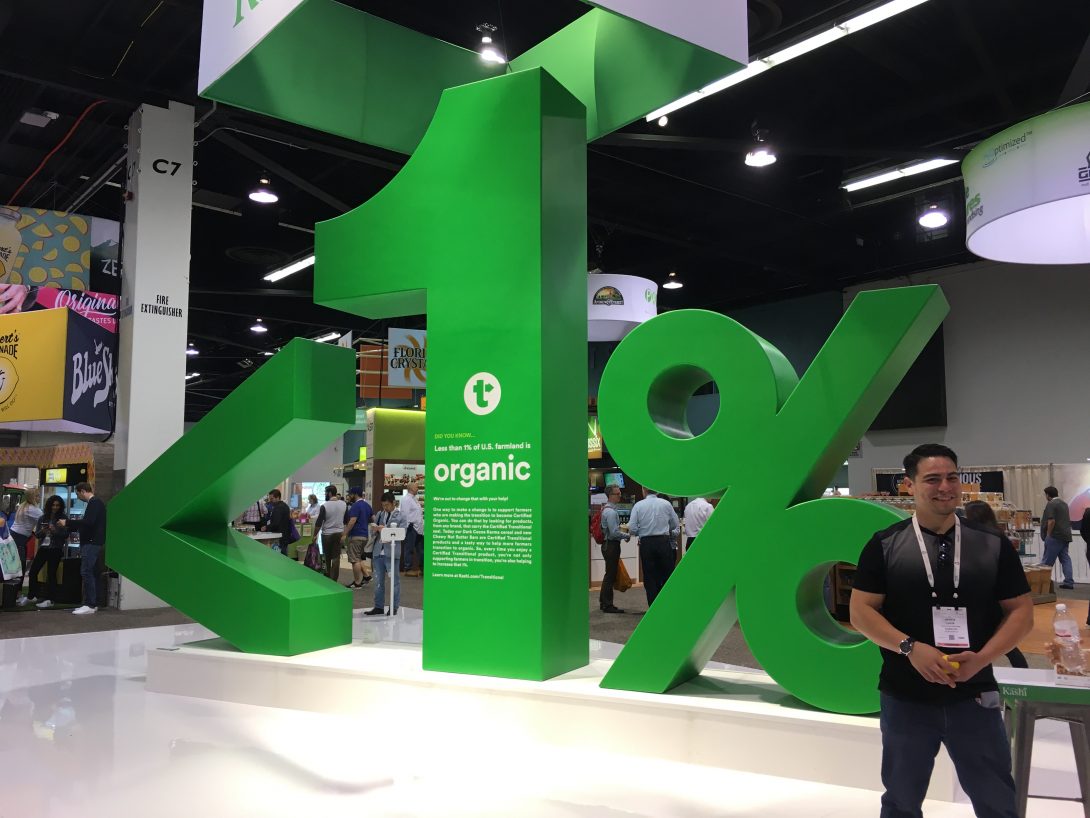
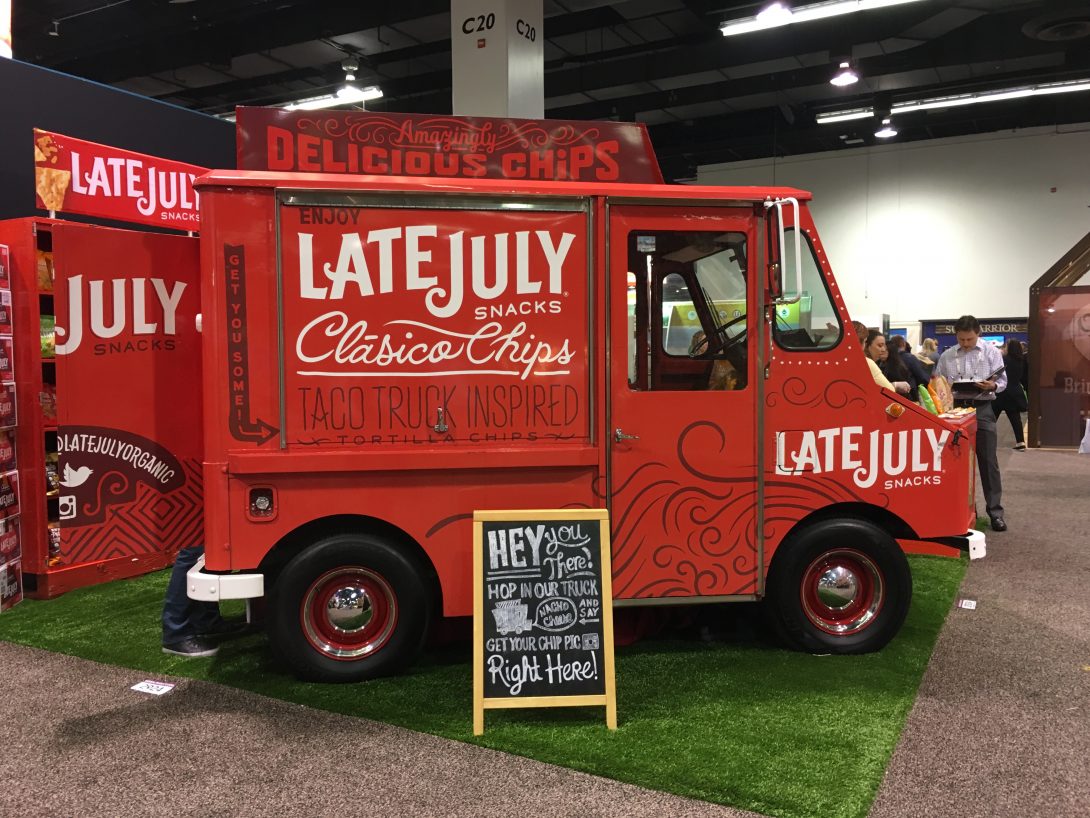
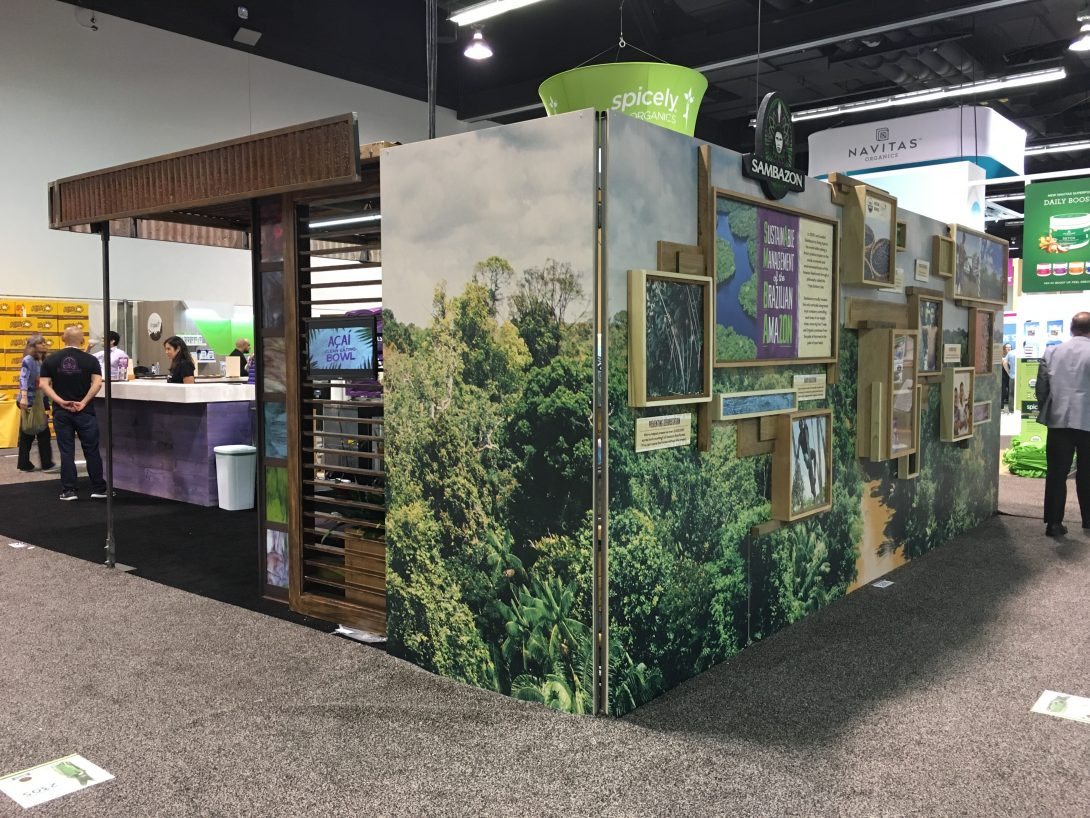
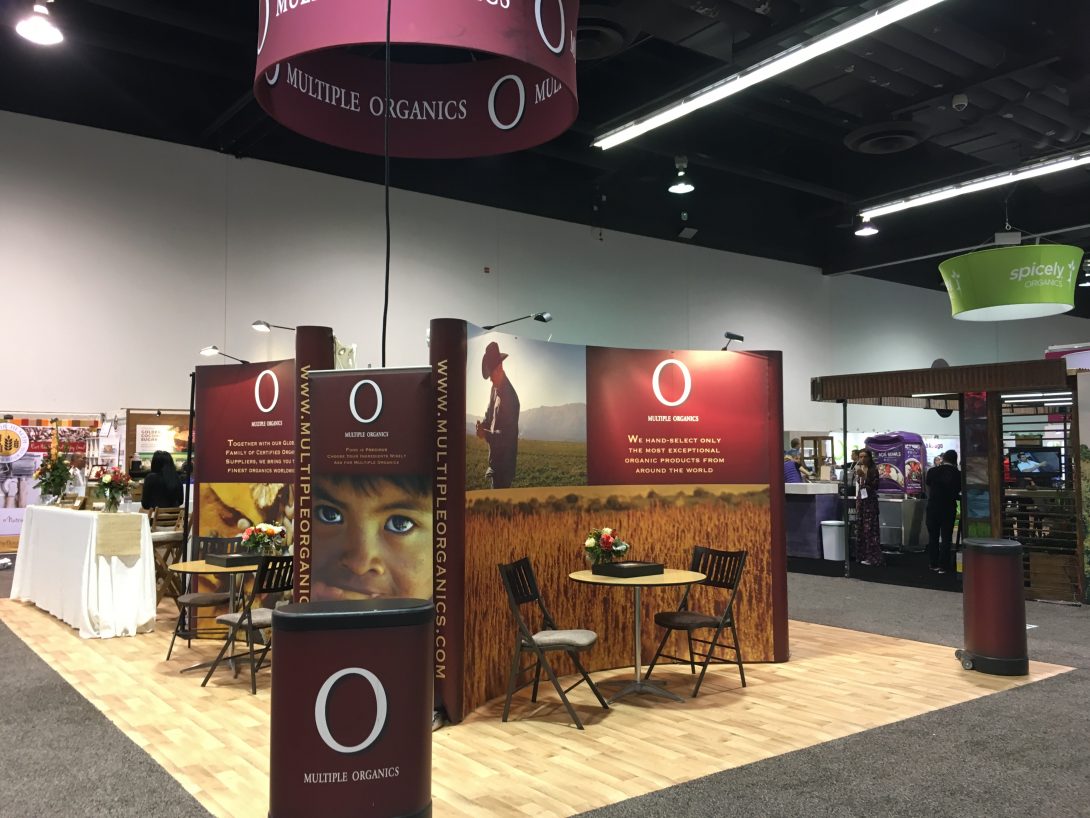
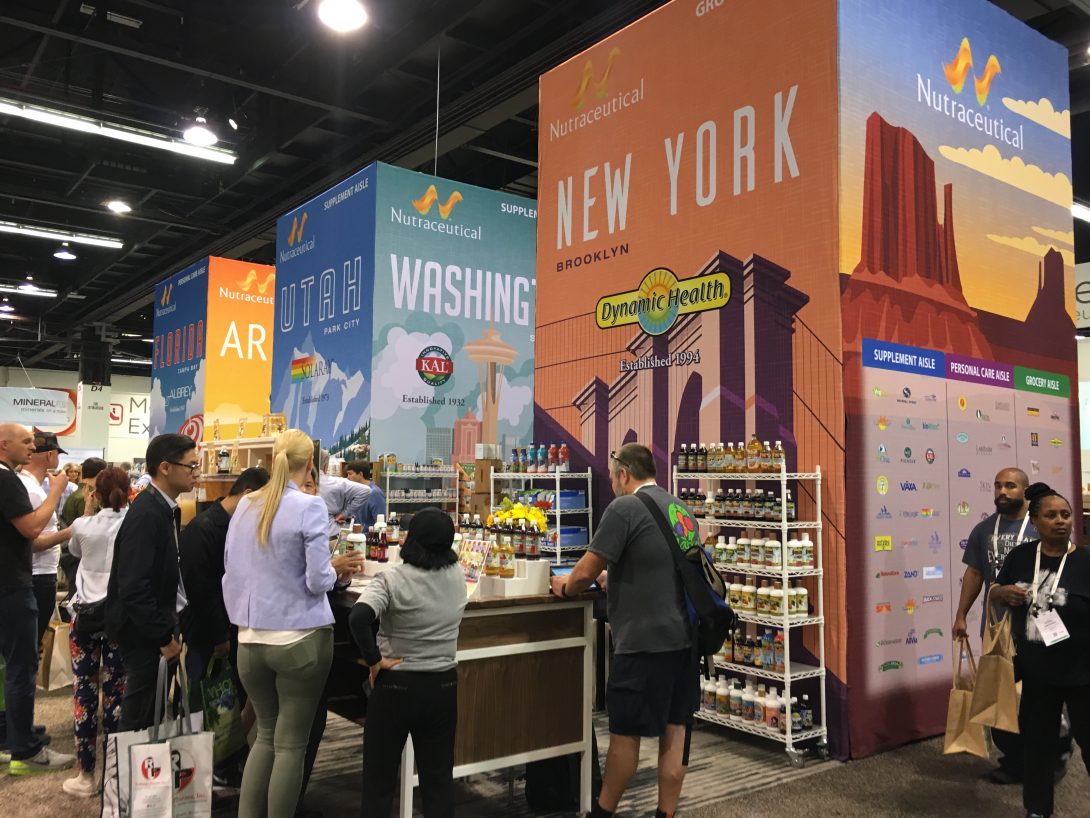
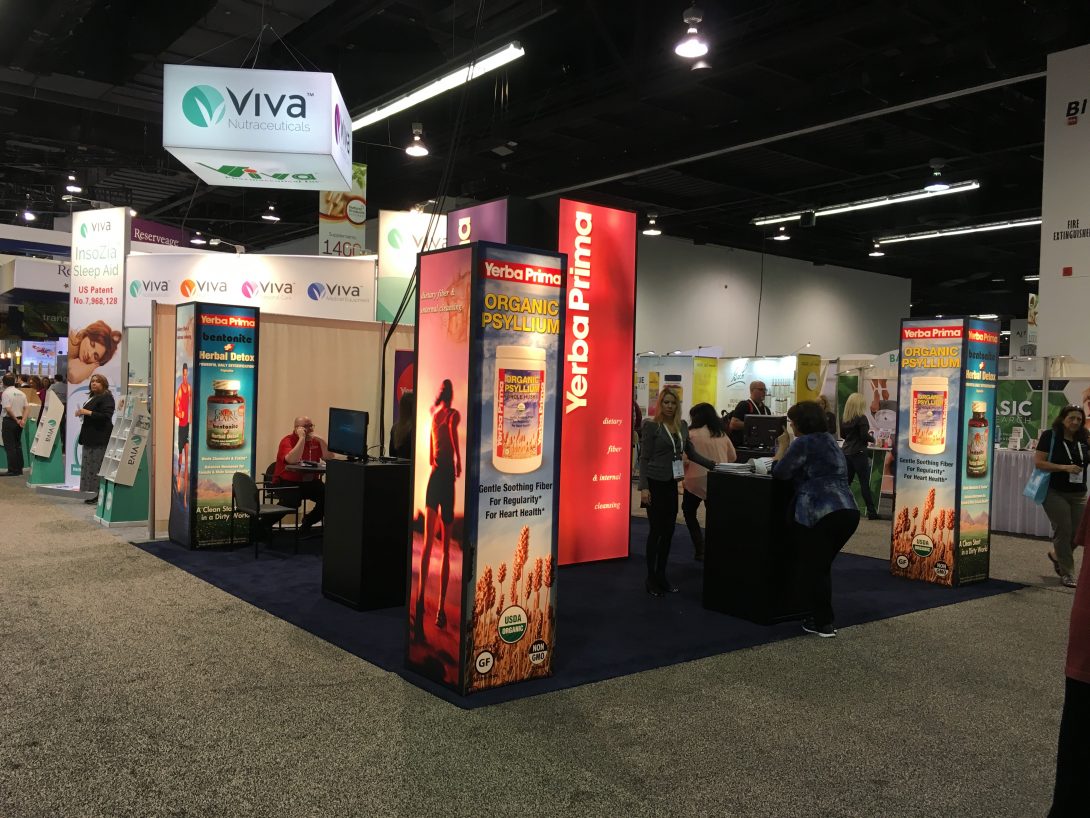
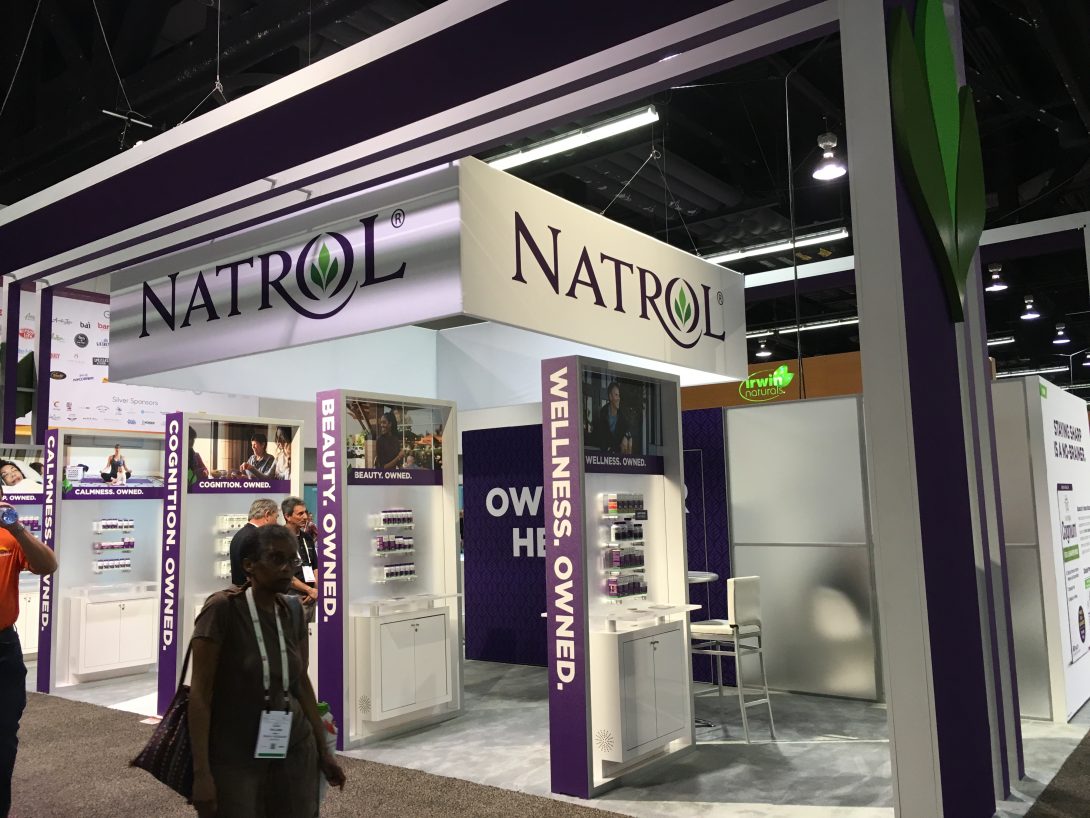
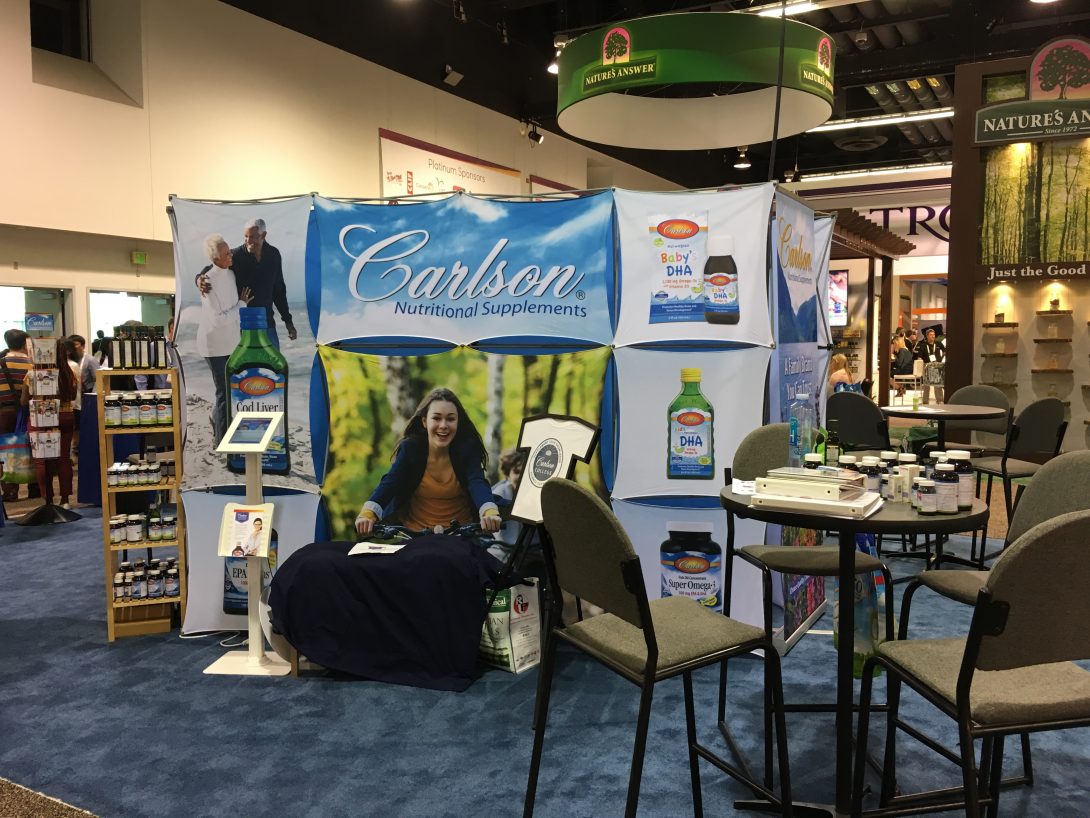
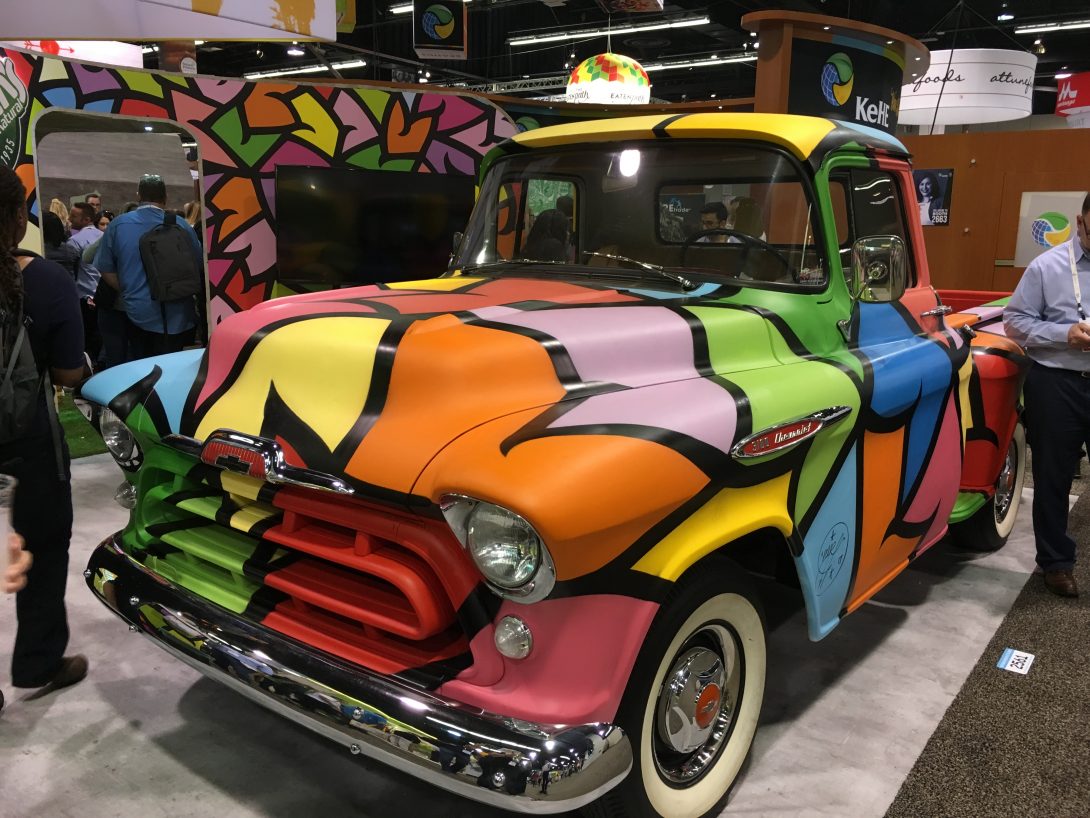
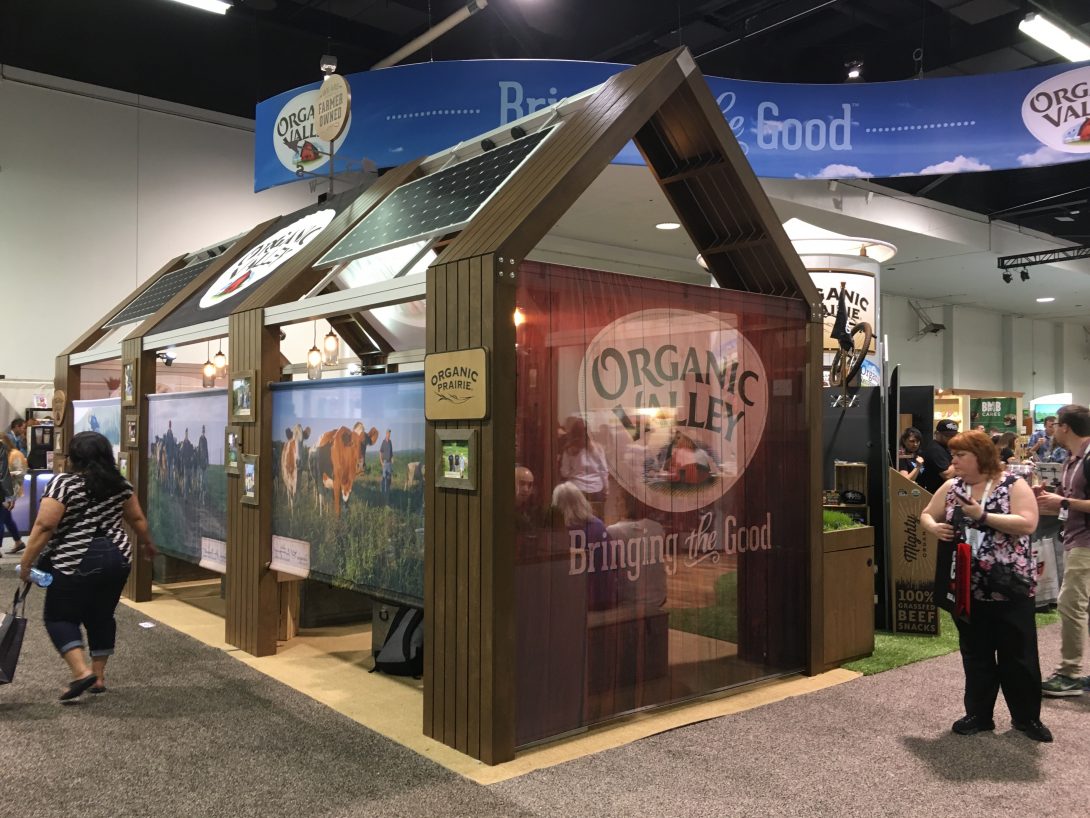
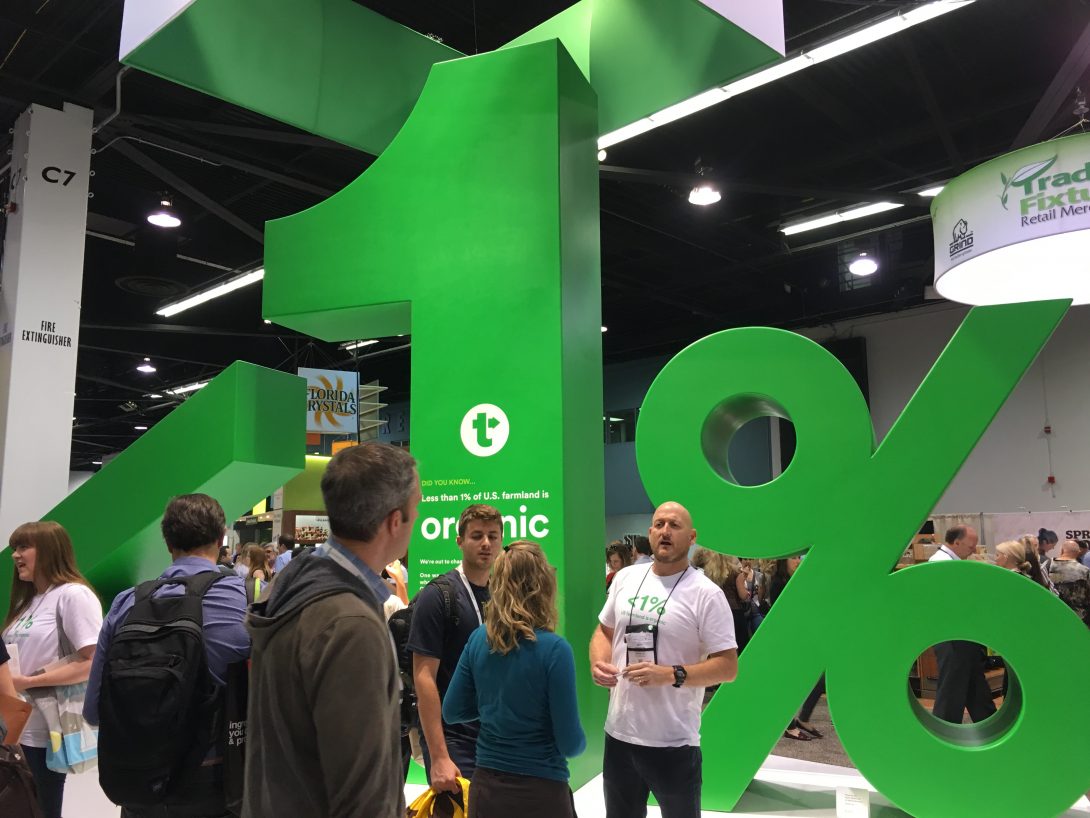
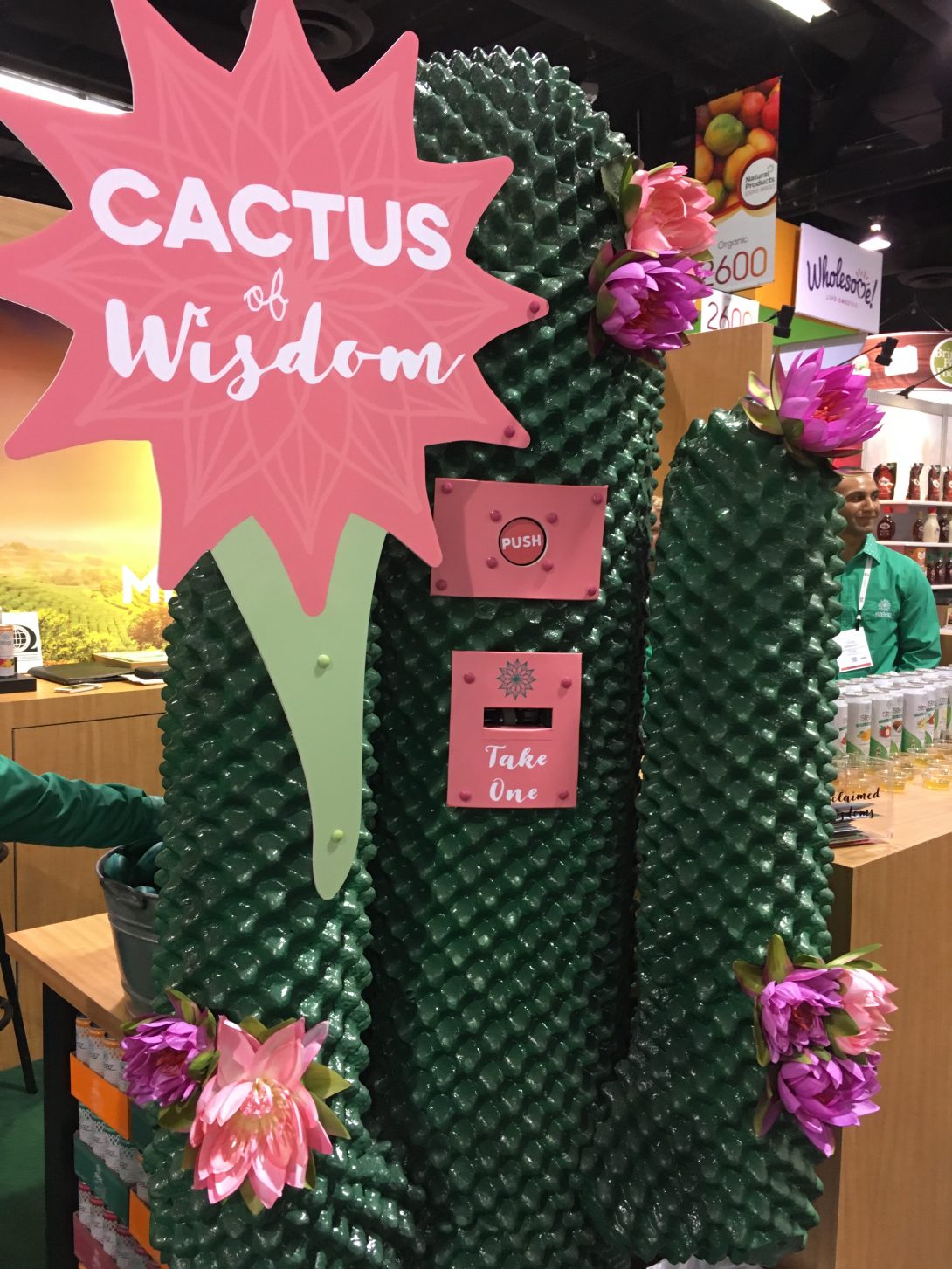
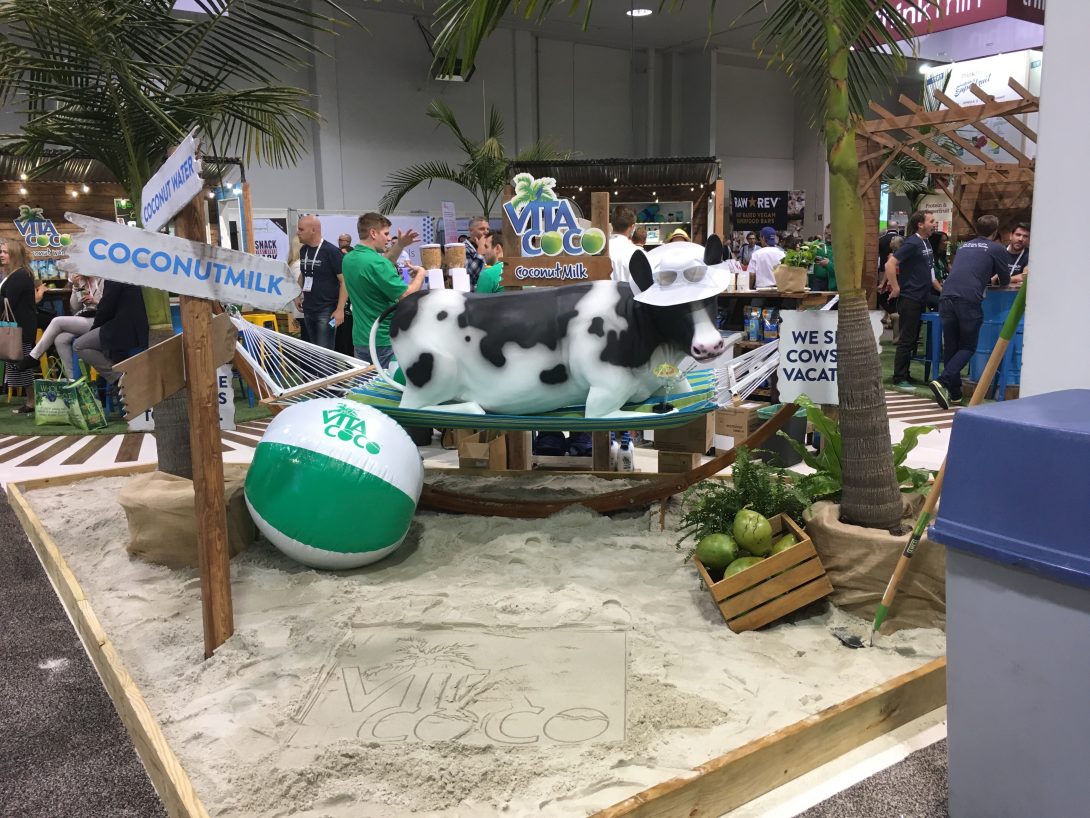
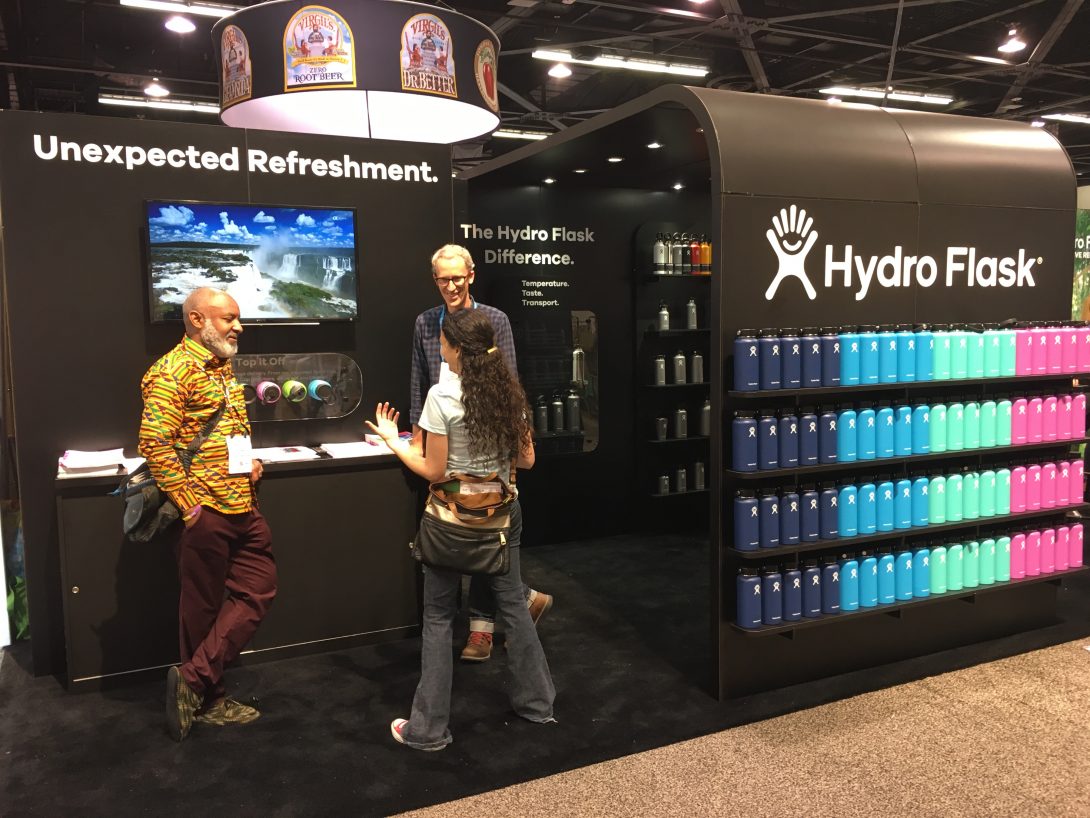
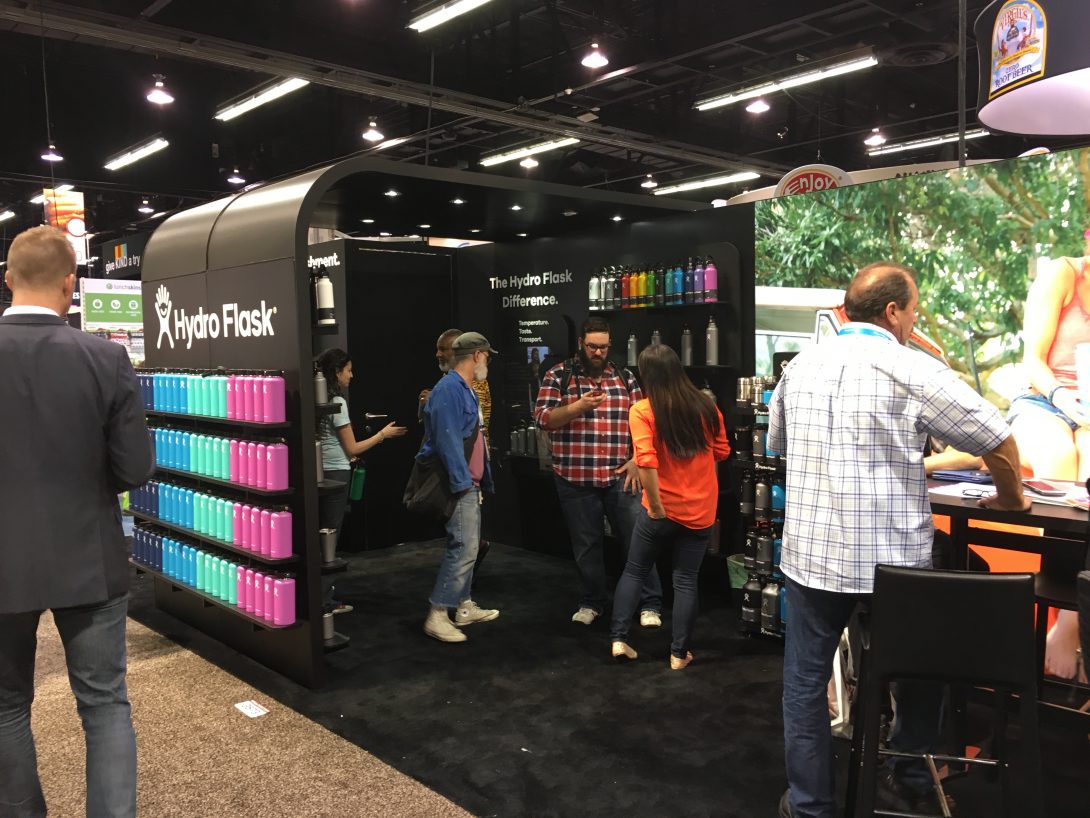
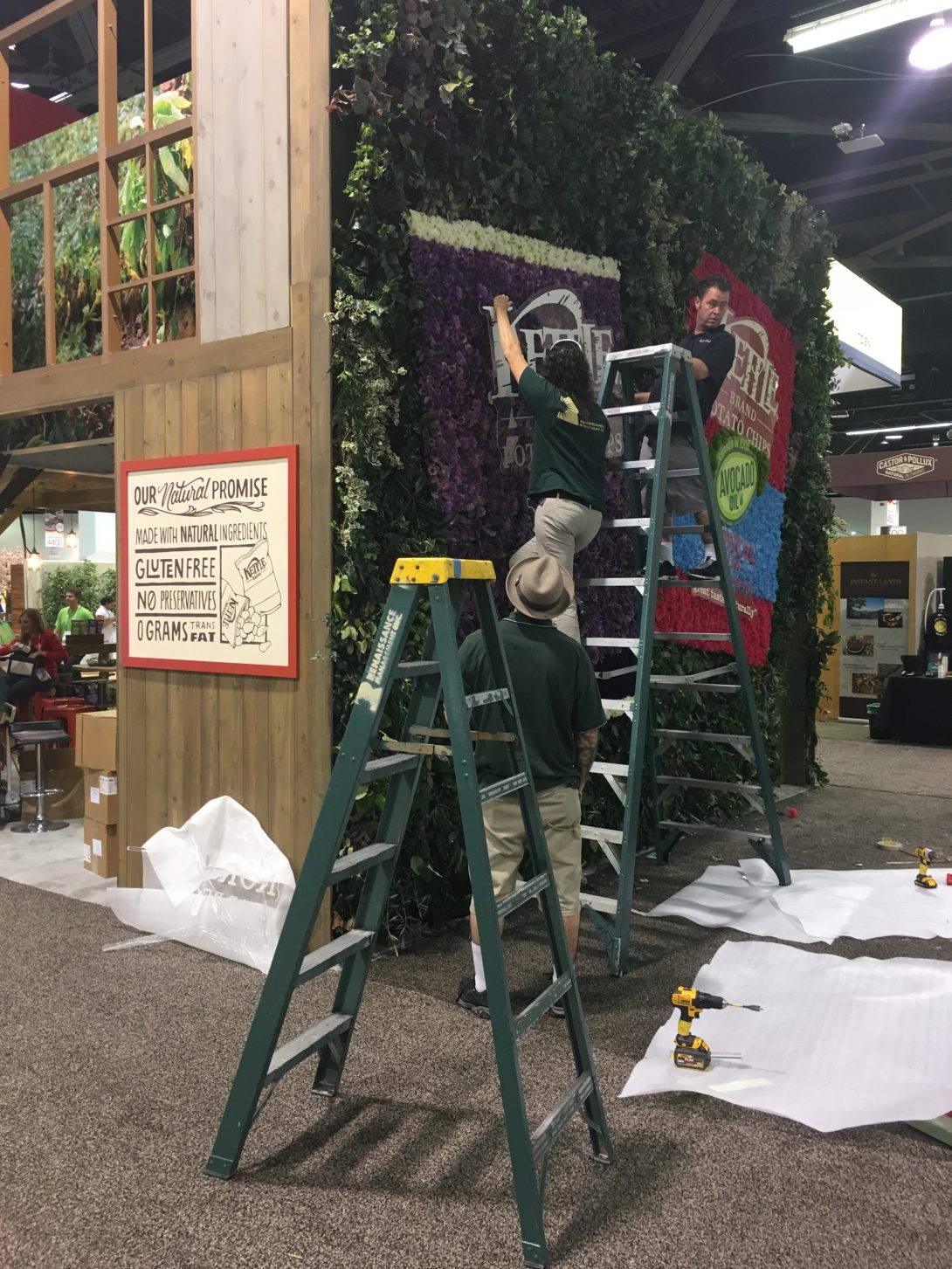
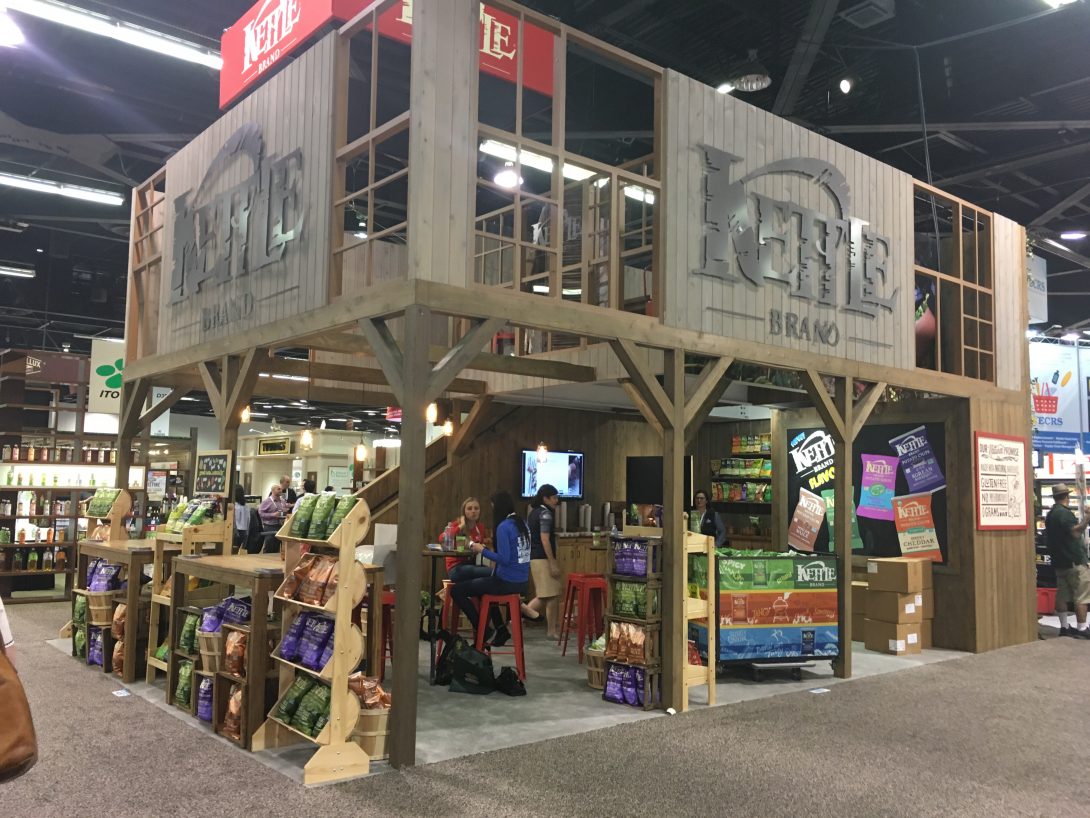
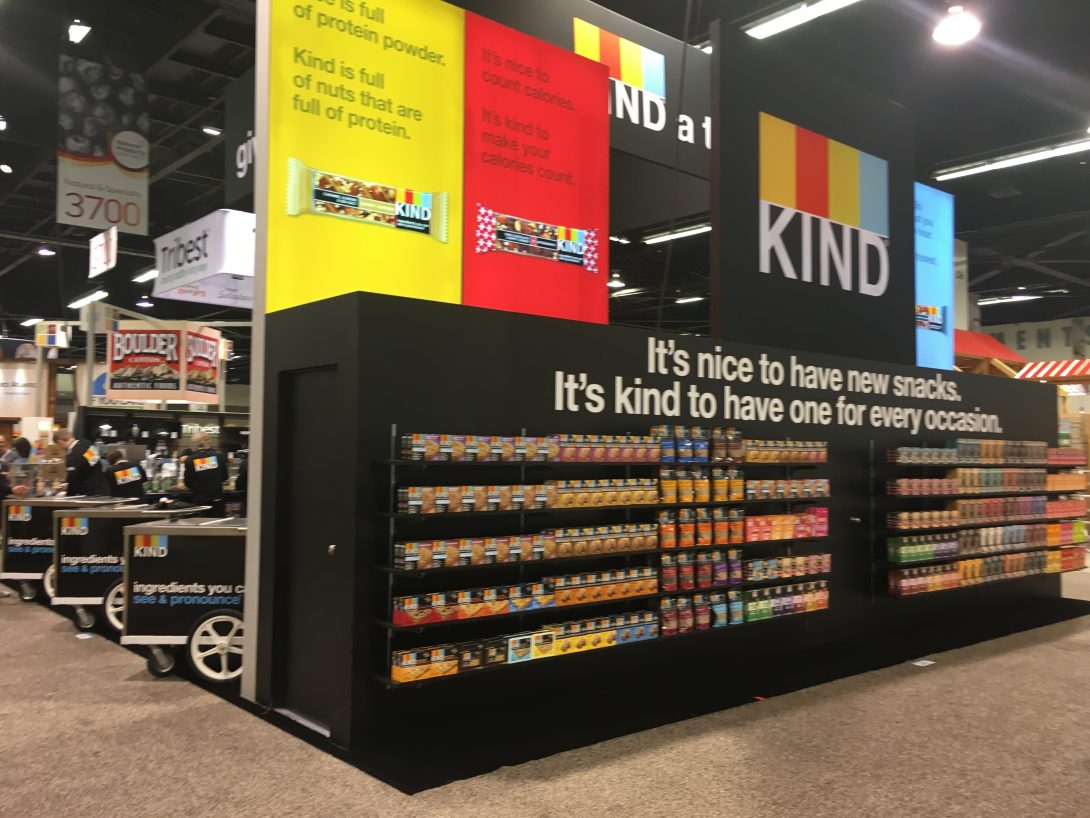
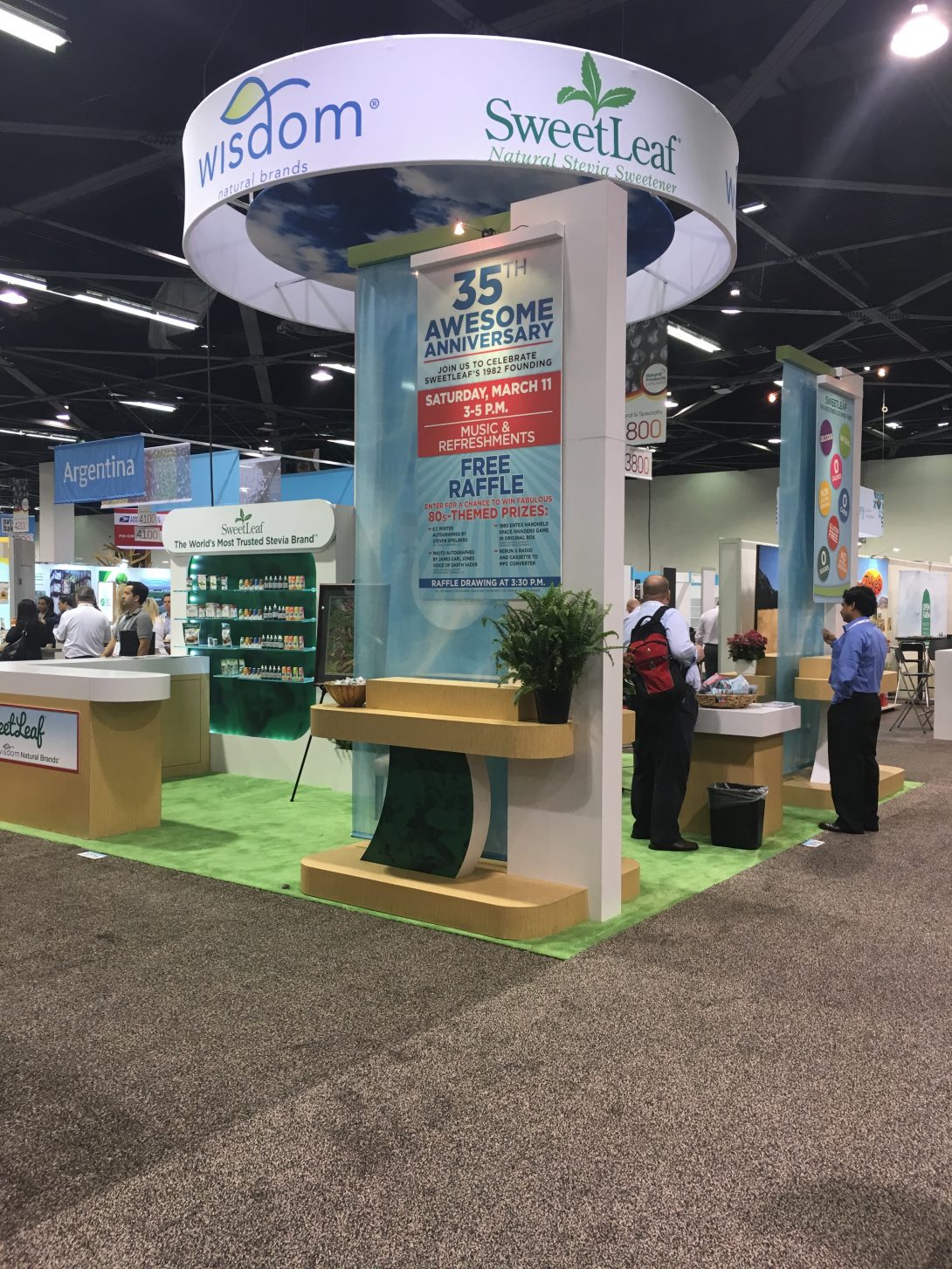
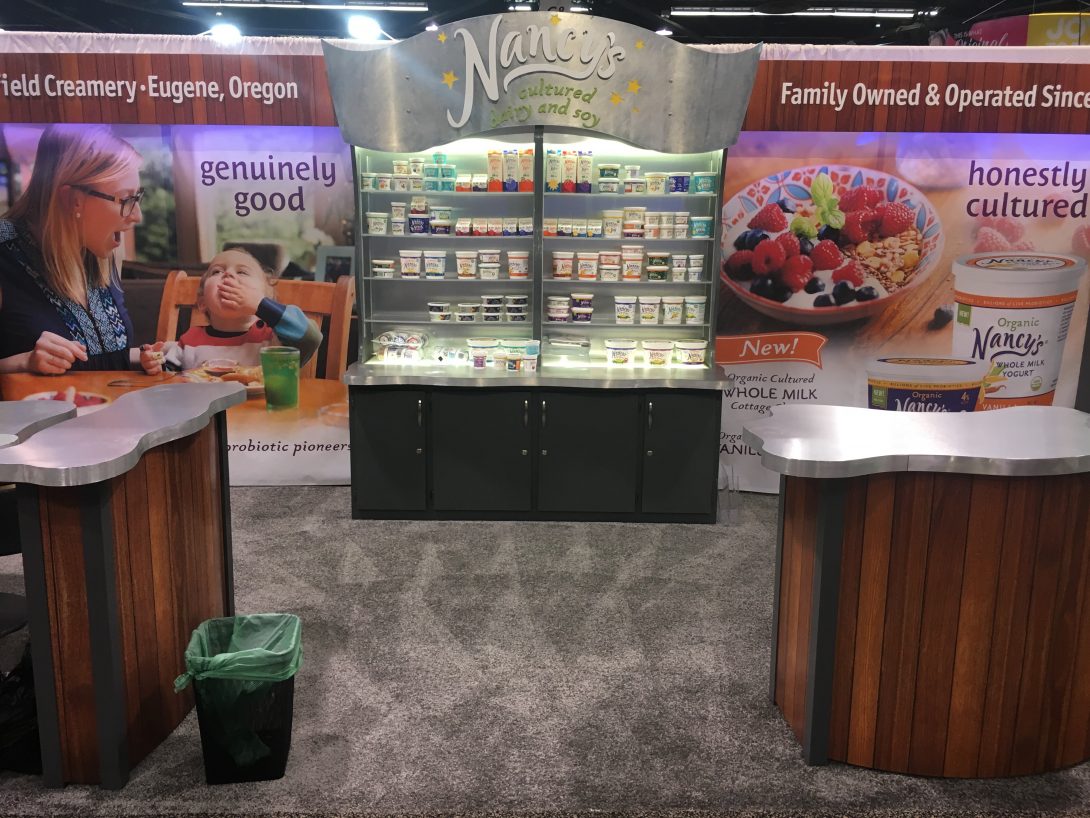
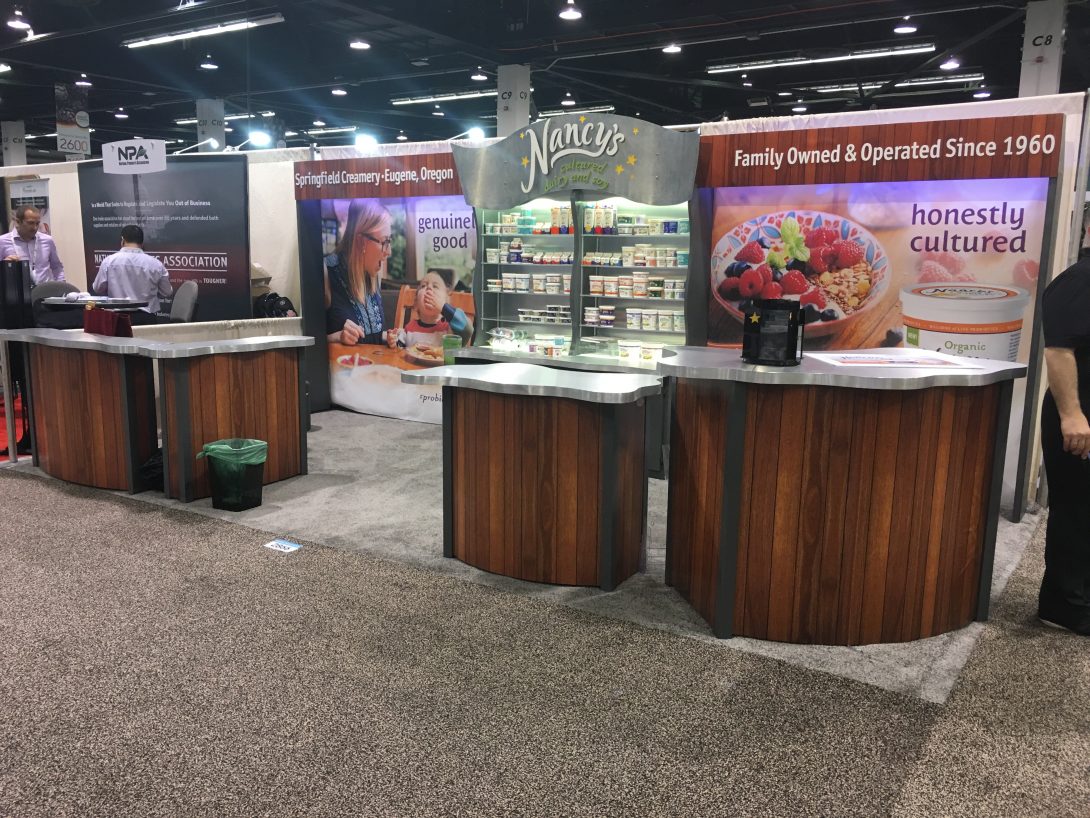
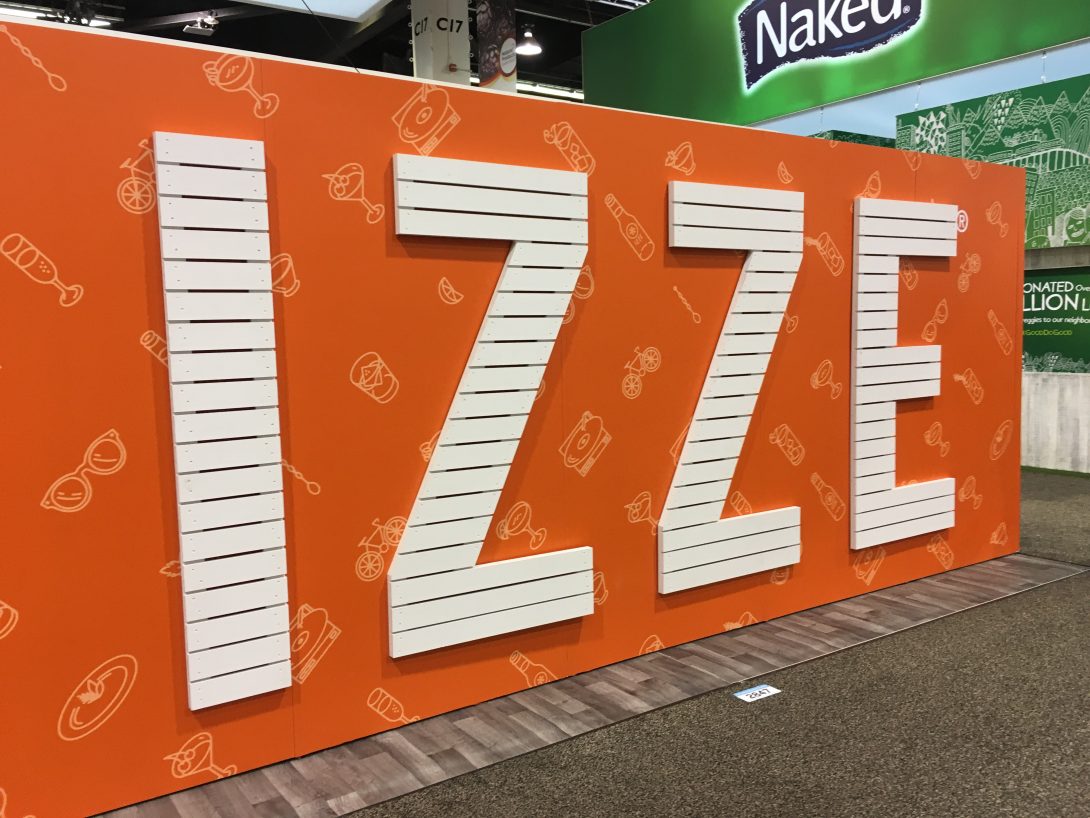
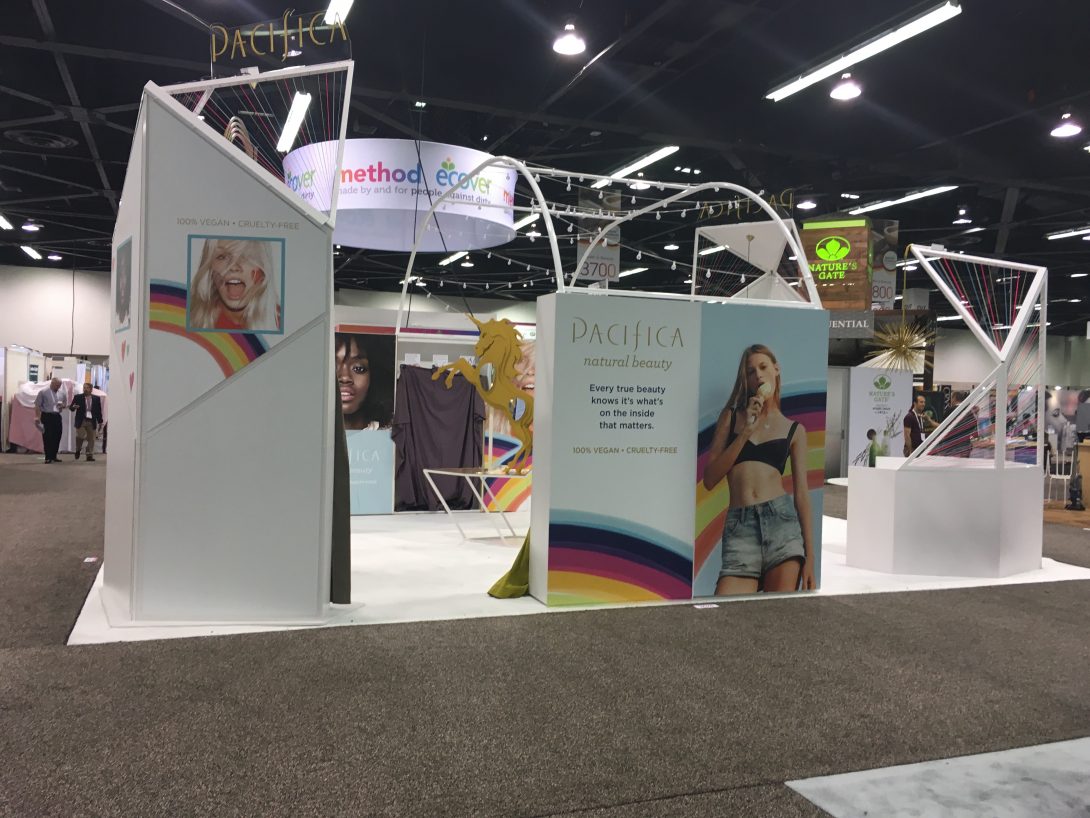
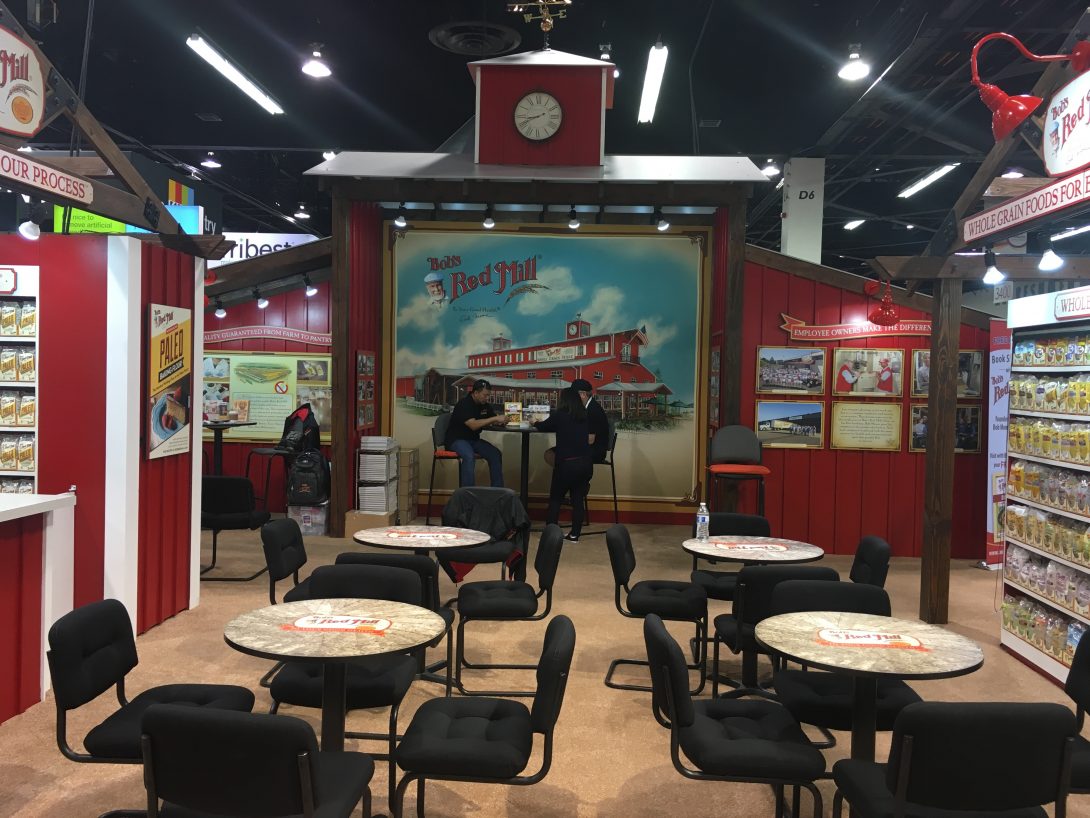
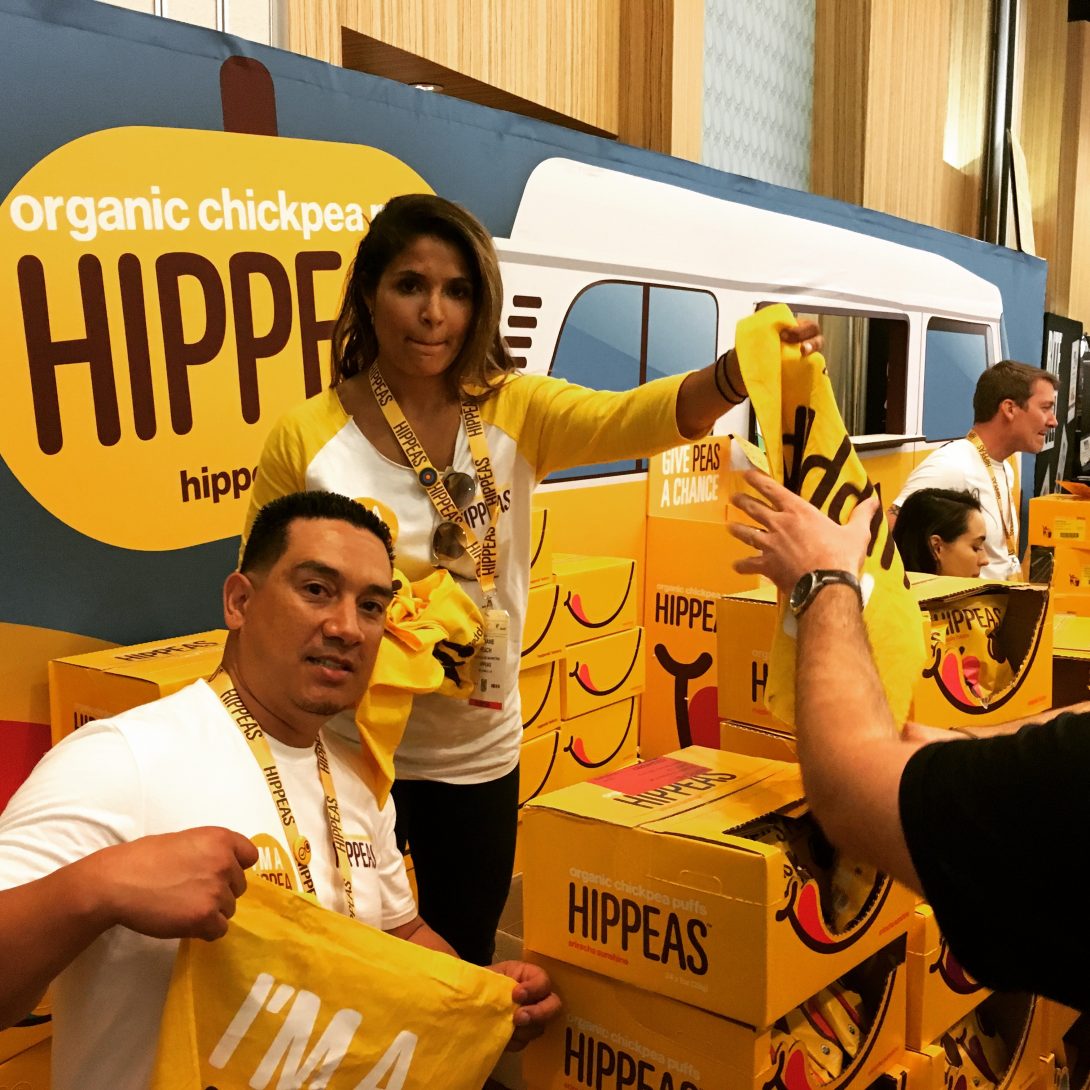
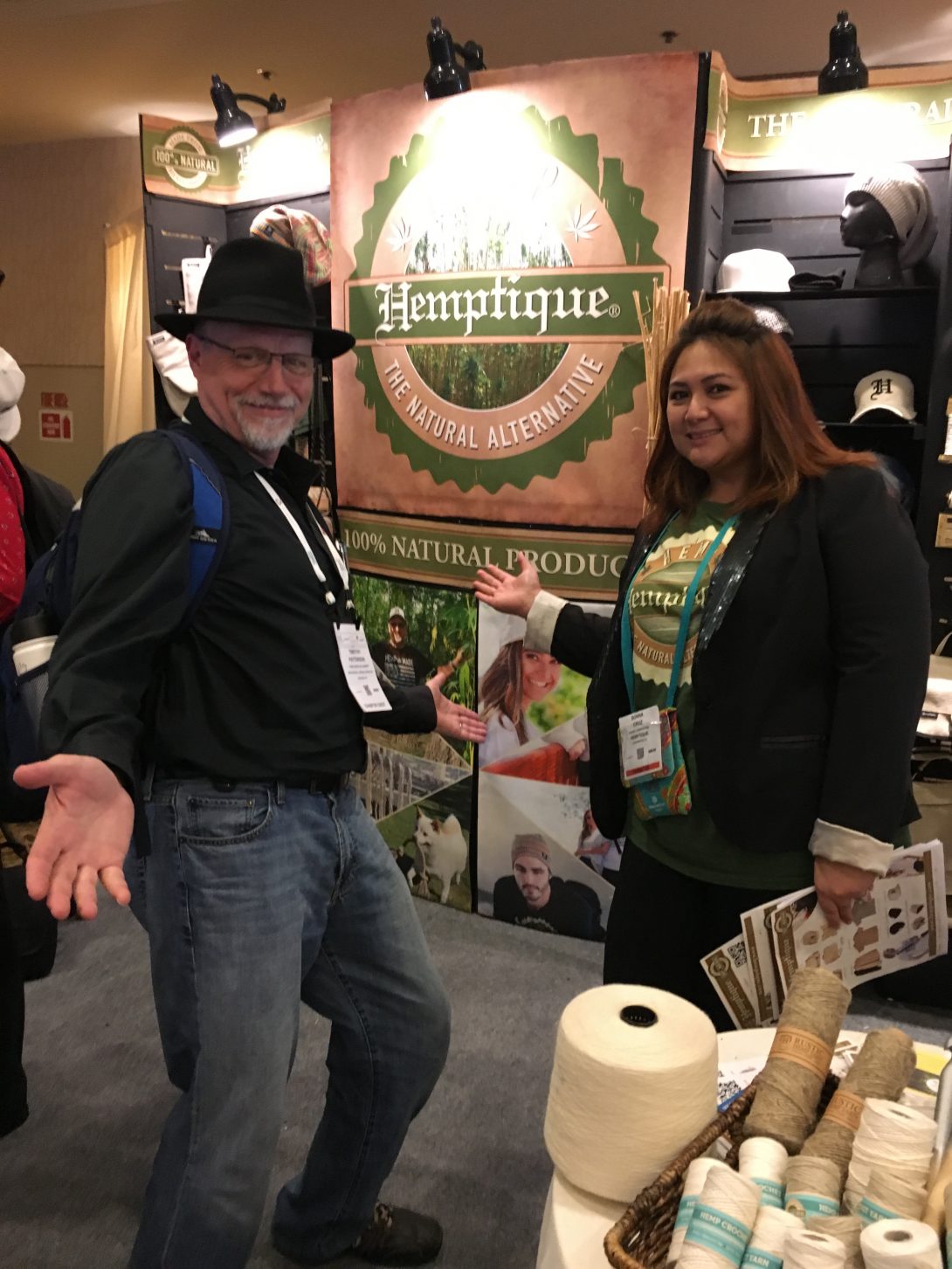
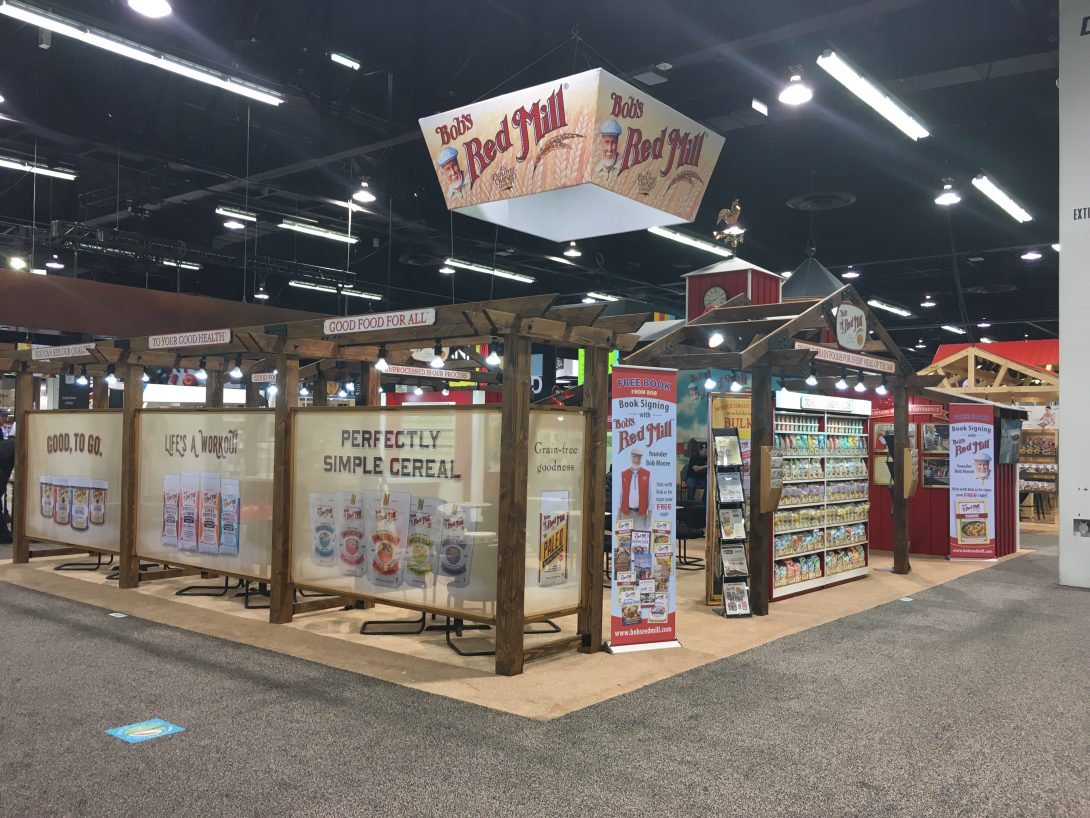
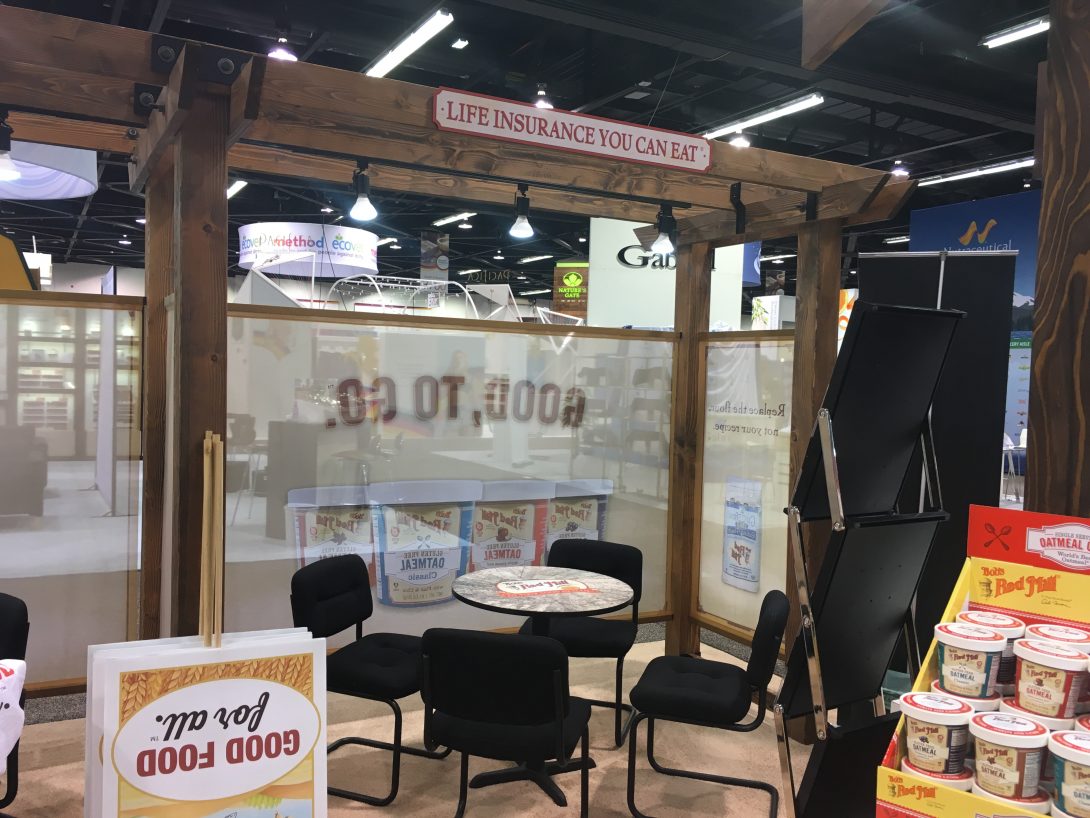
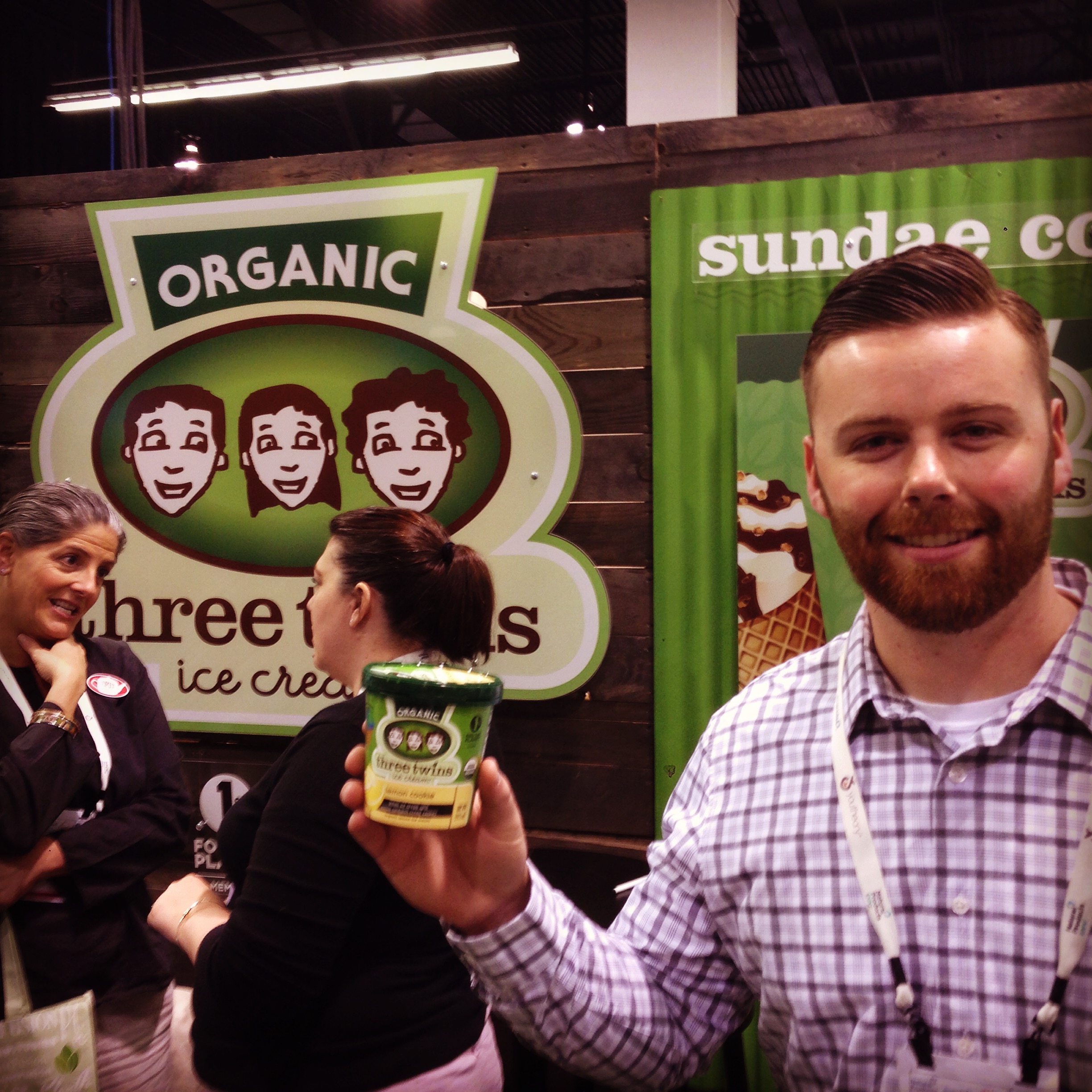
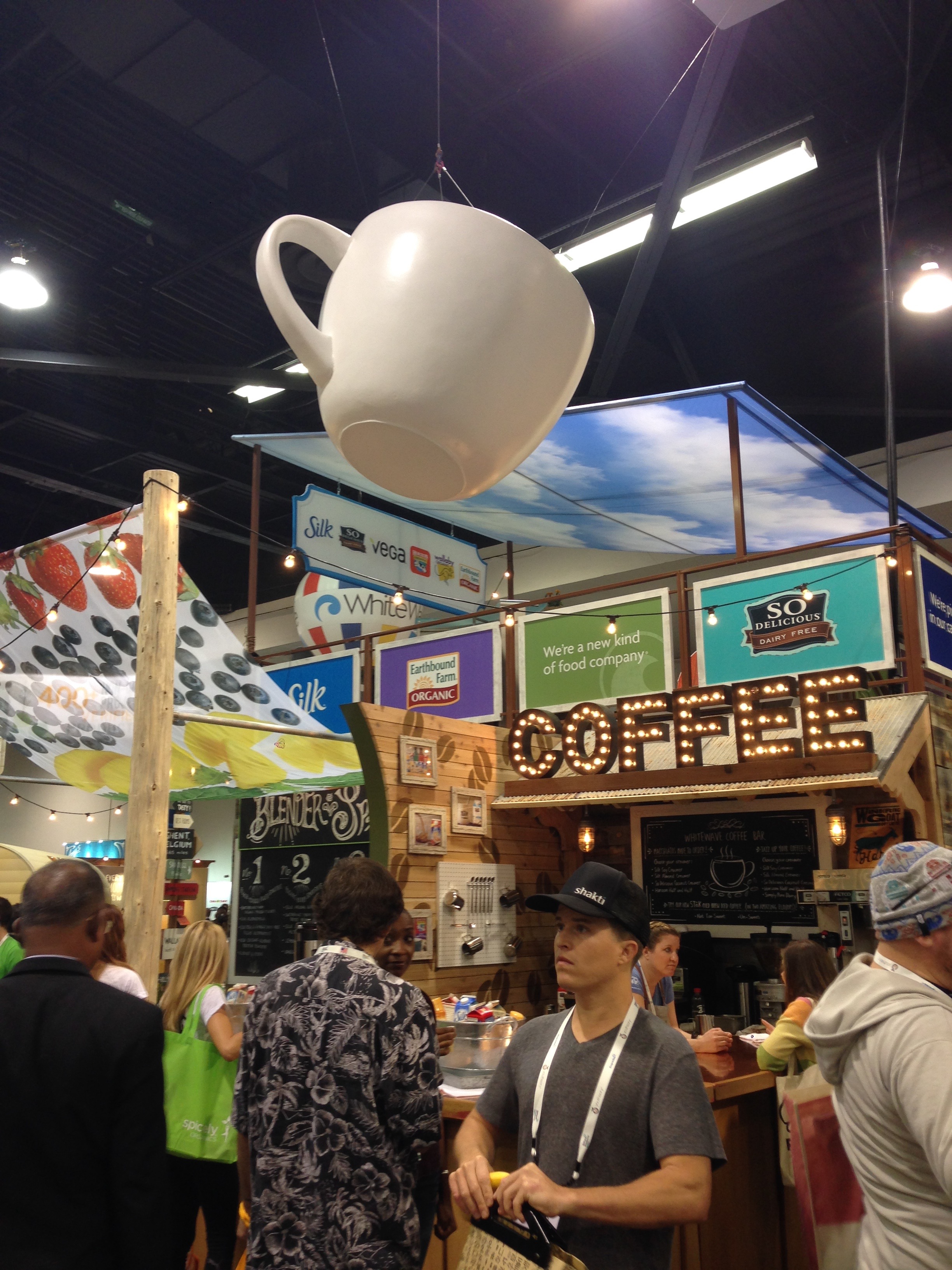
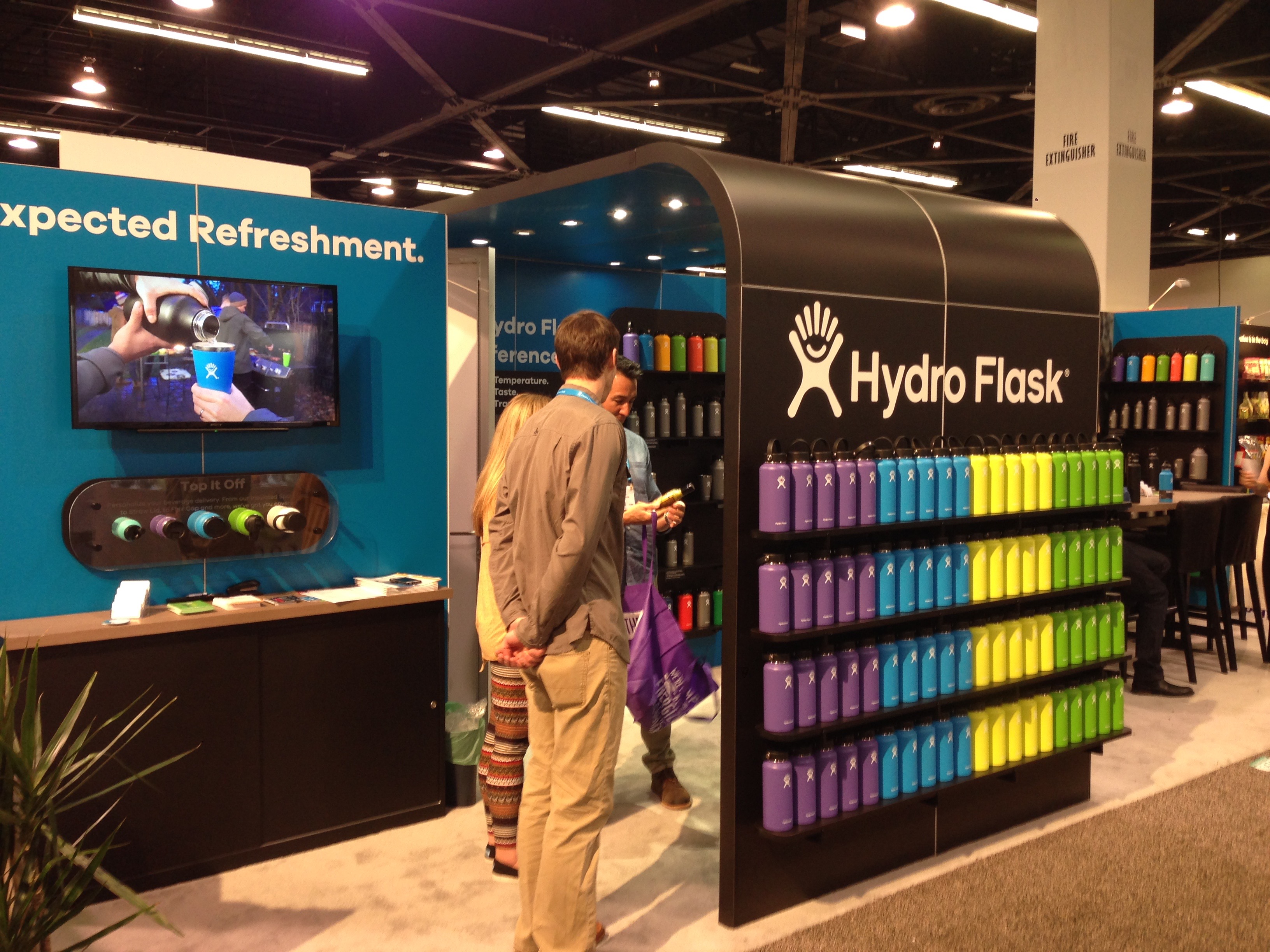
Thought it might be fun to take a look at some of the cool exhibits, enthusiastic people and tasty products from Natural Products Expo West:
Thought it might be fun to take a look at some of the cool exhibits, enthusiastic people and tasty products from Natural Products Expo West:

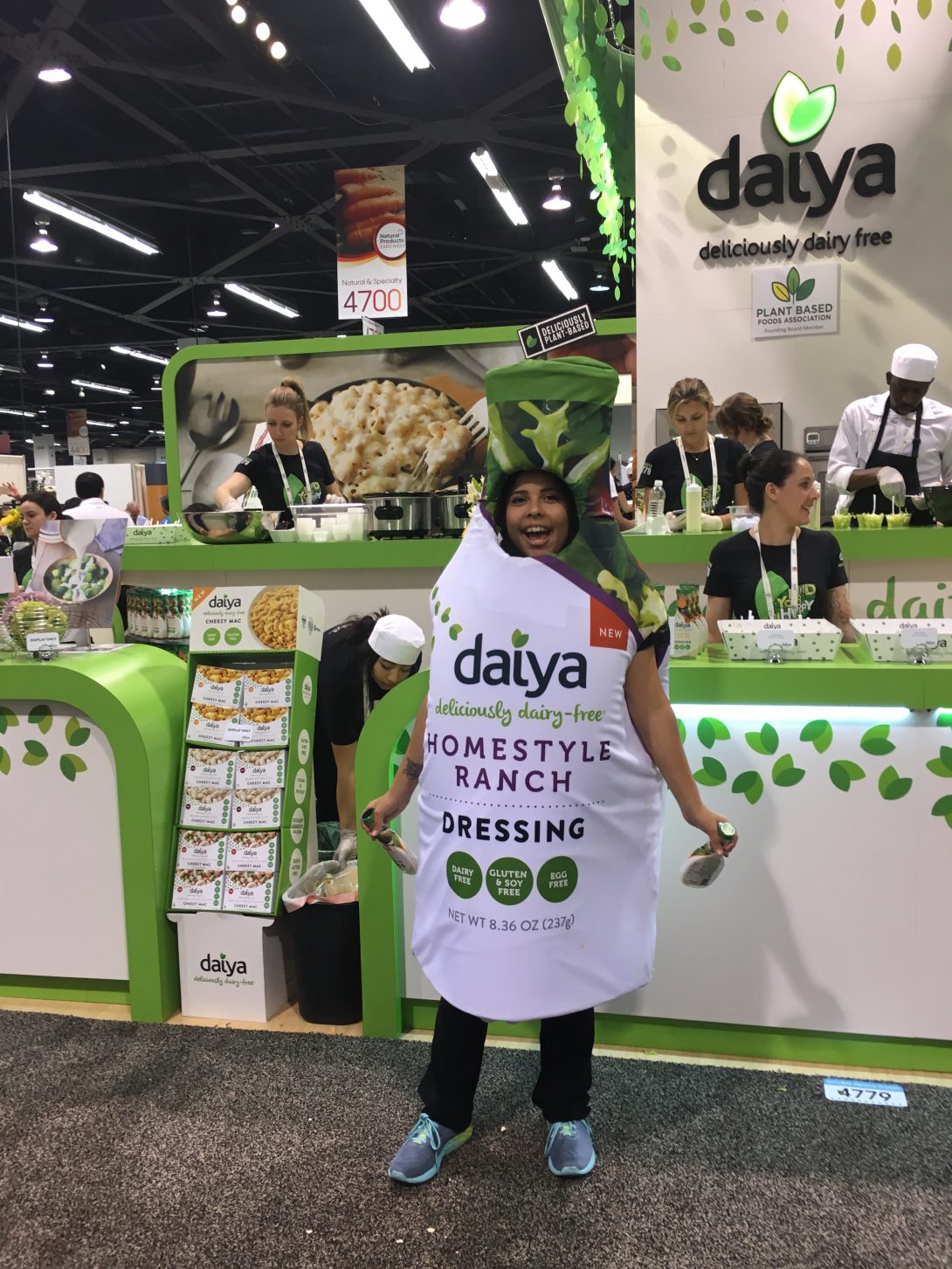
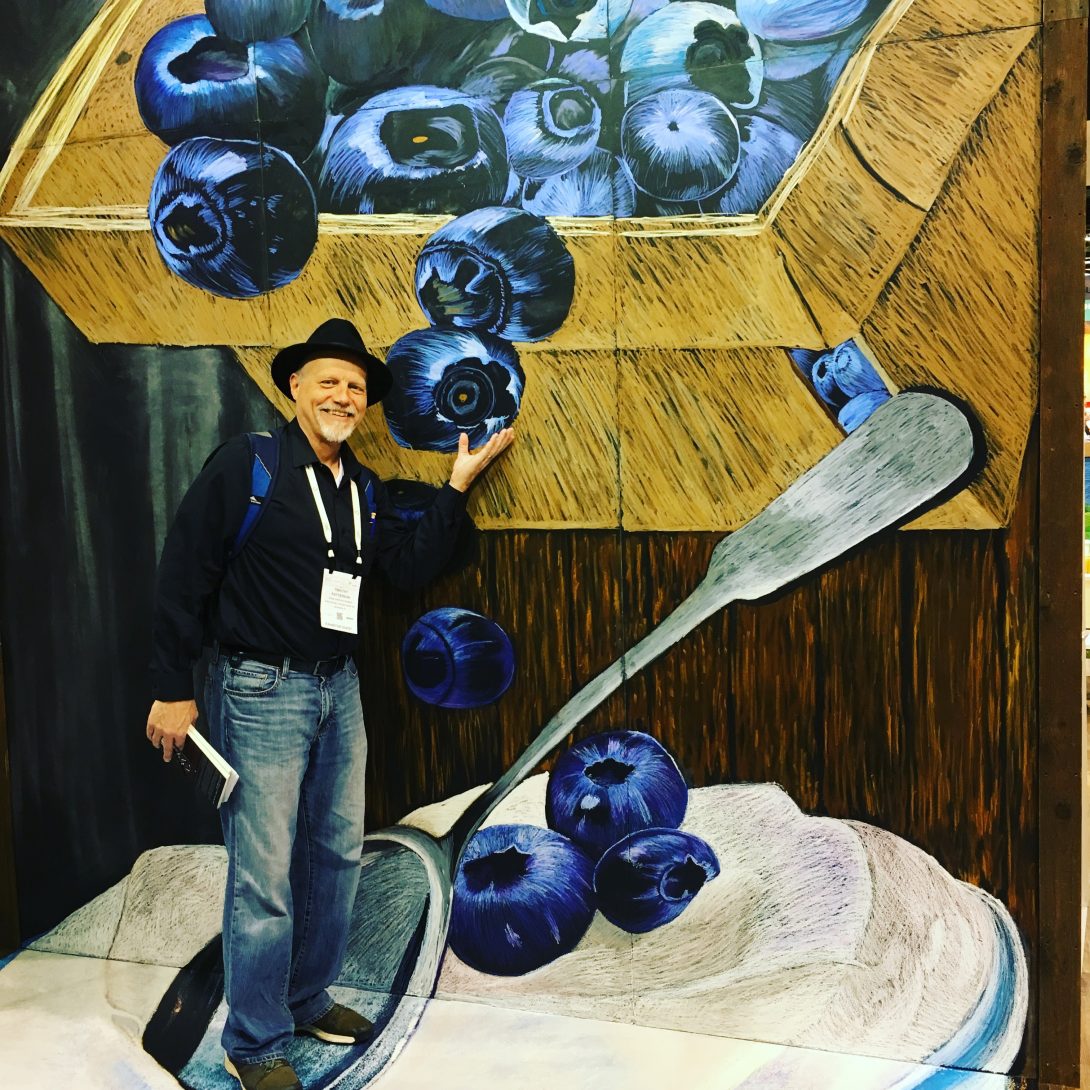
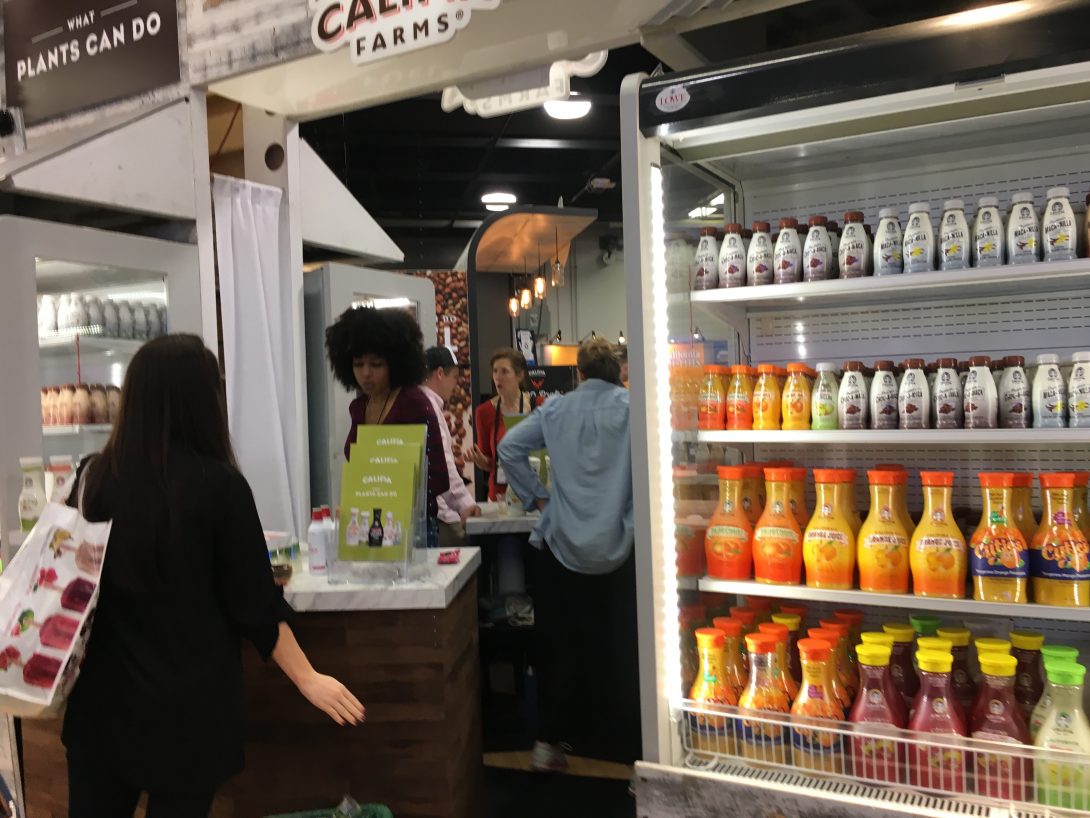
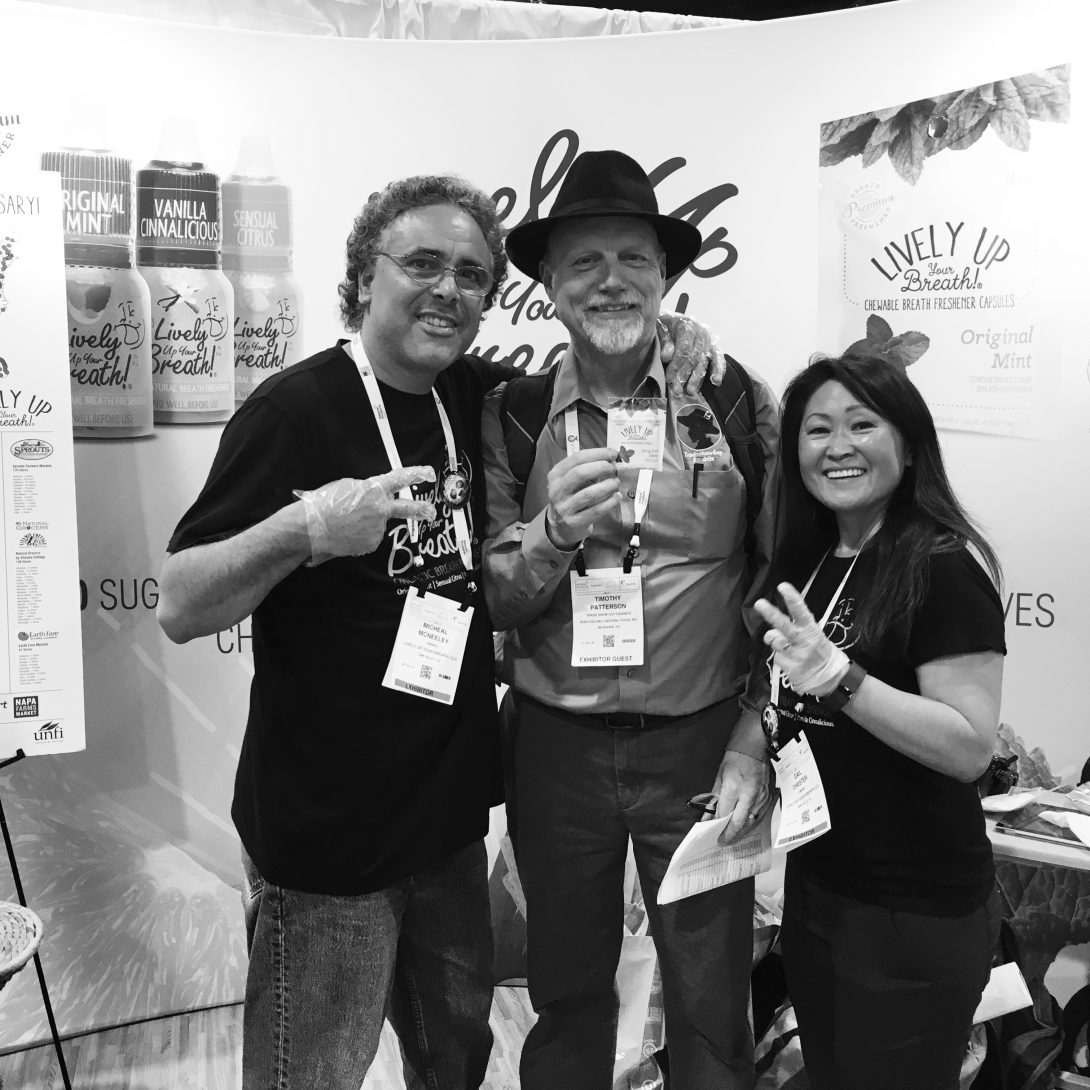
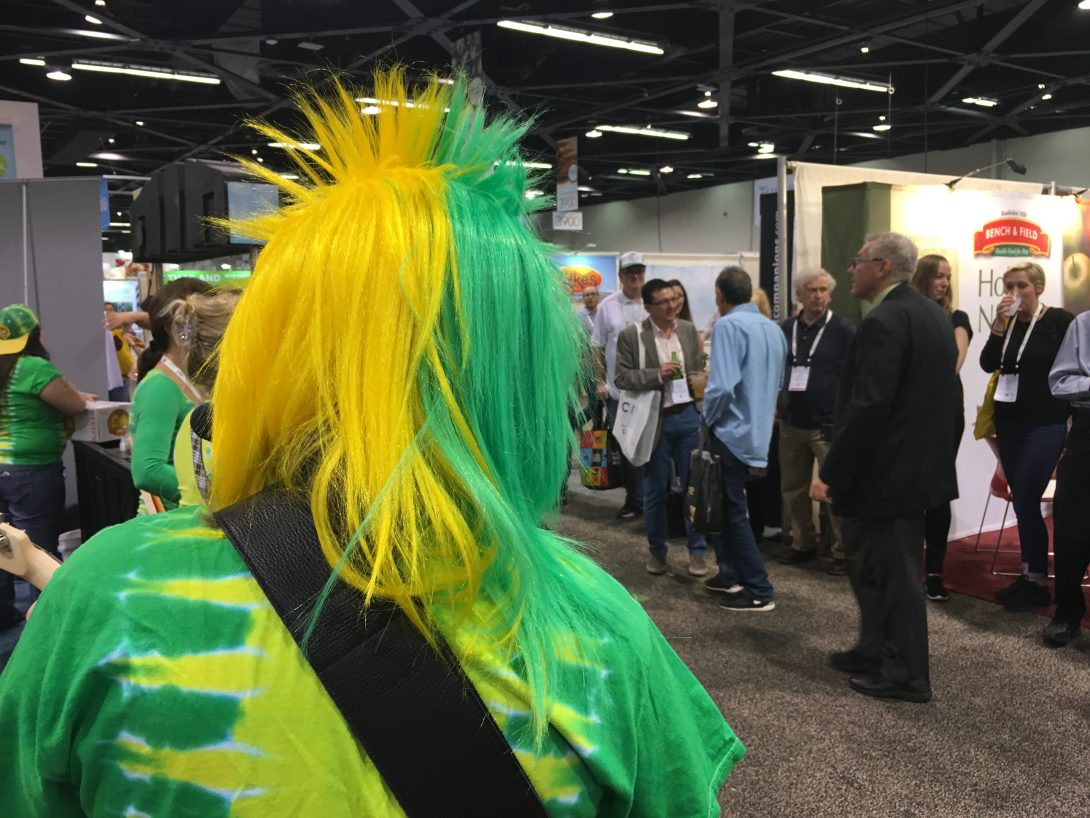
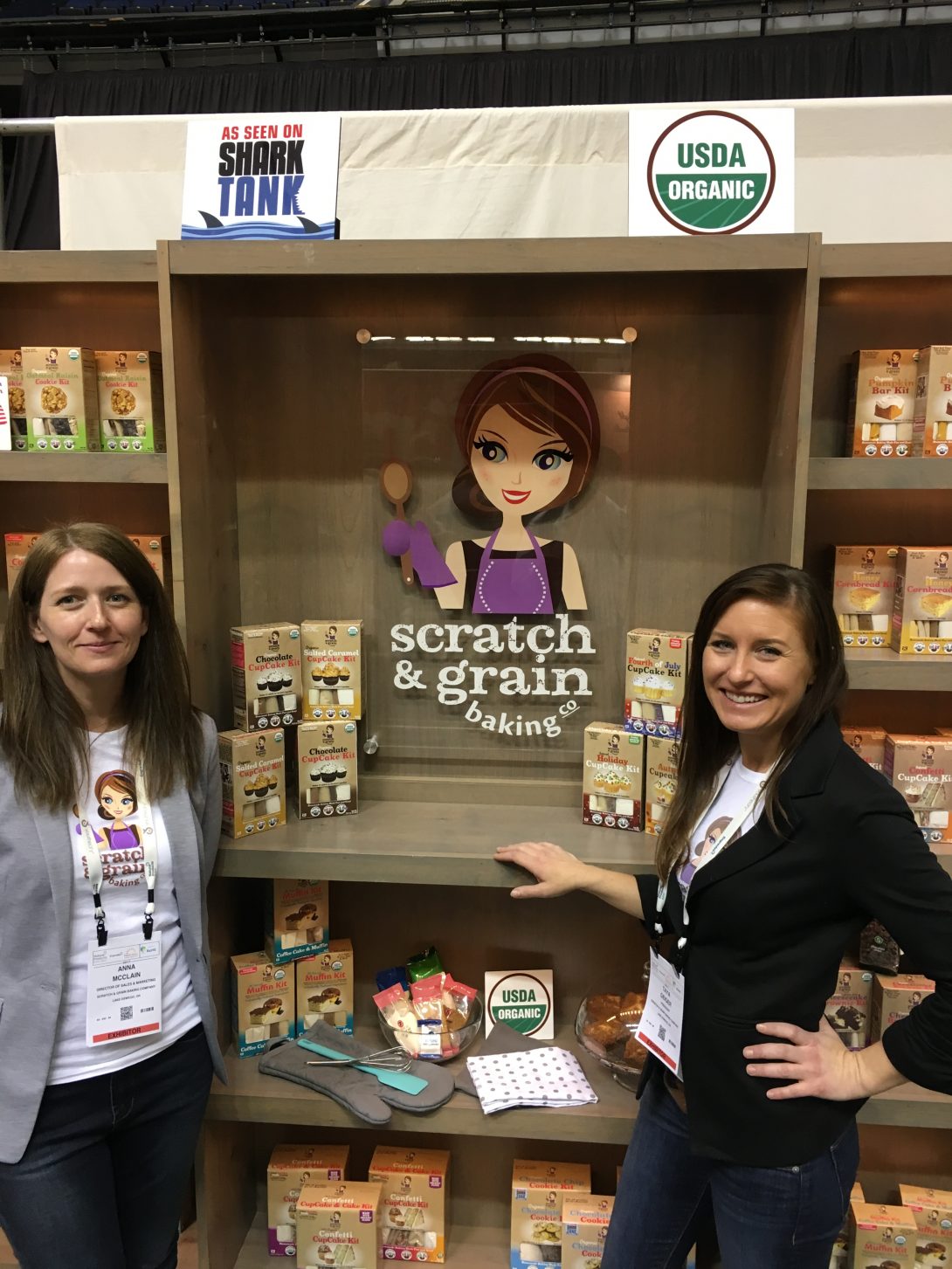
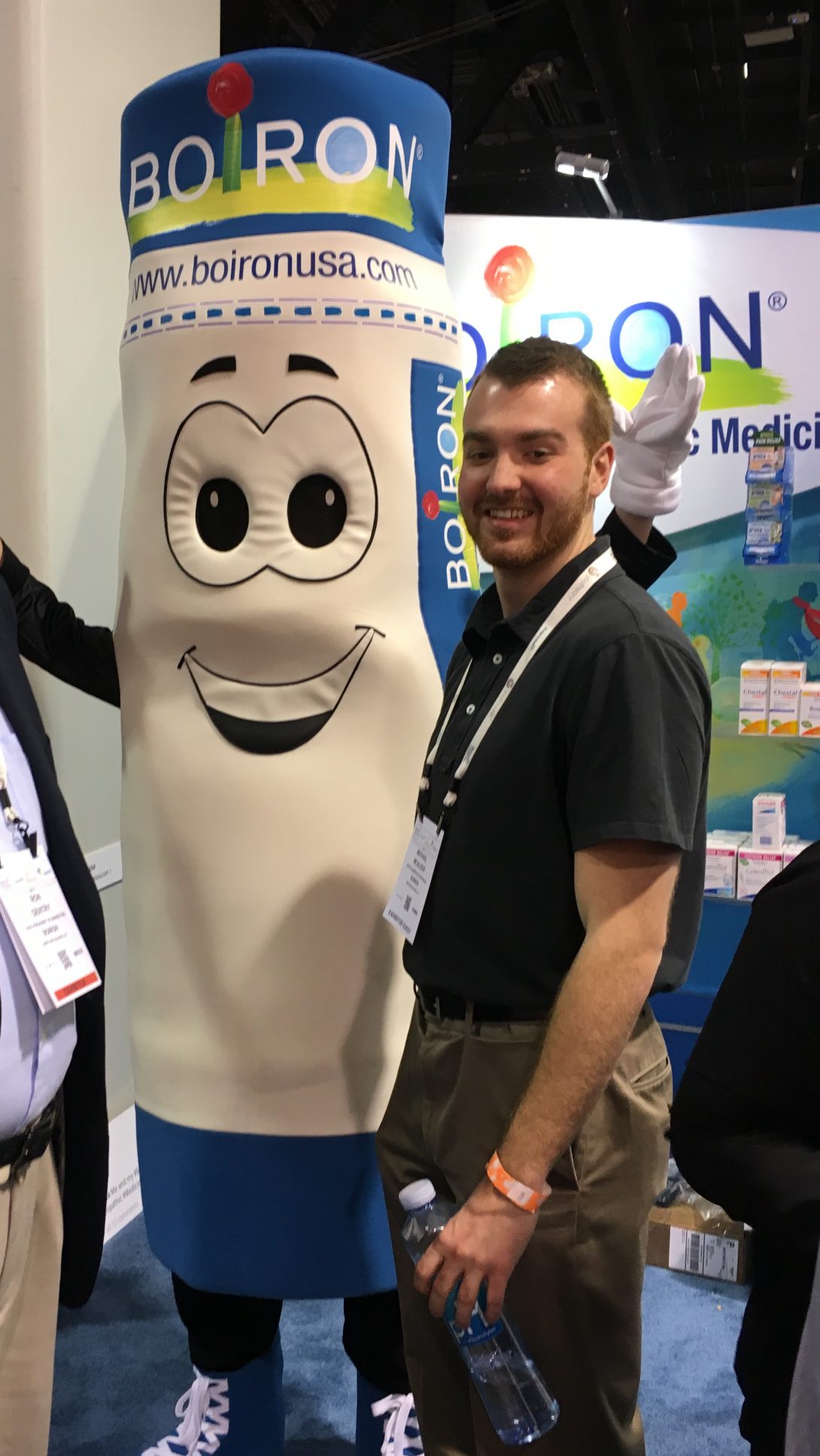
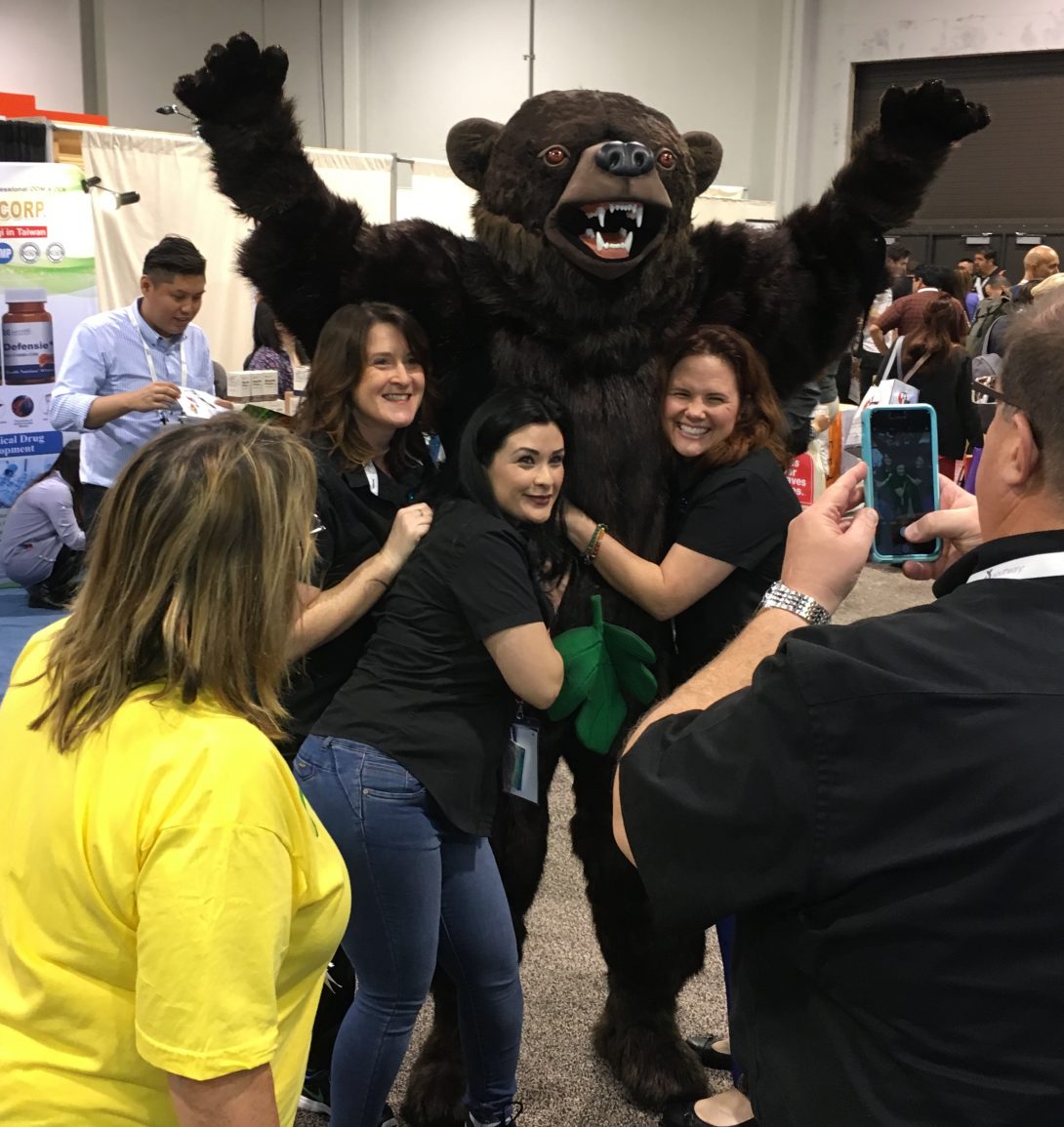
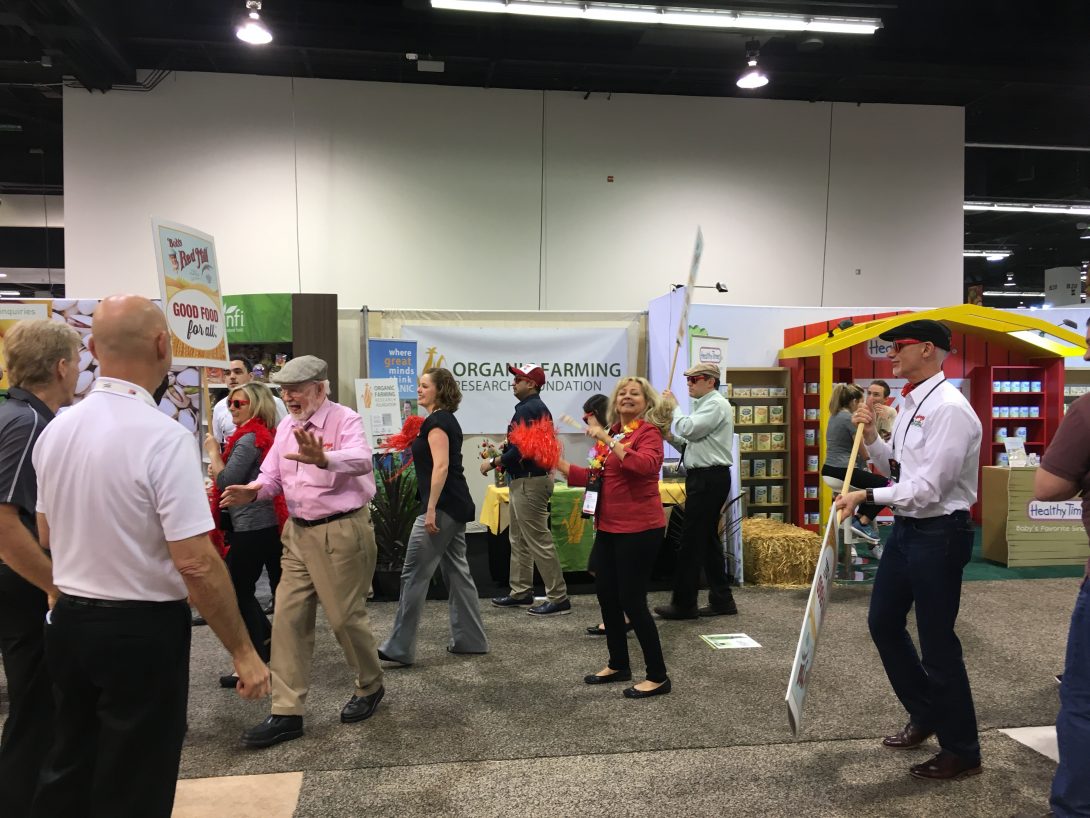
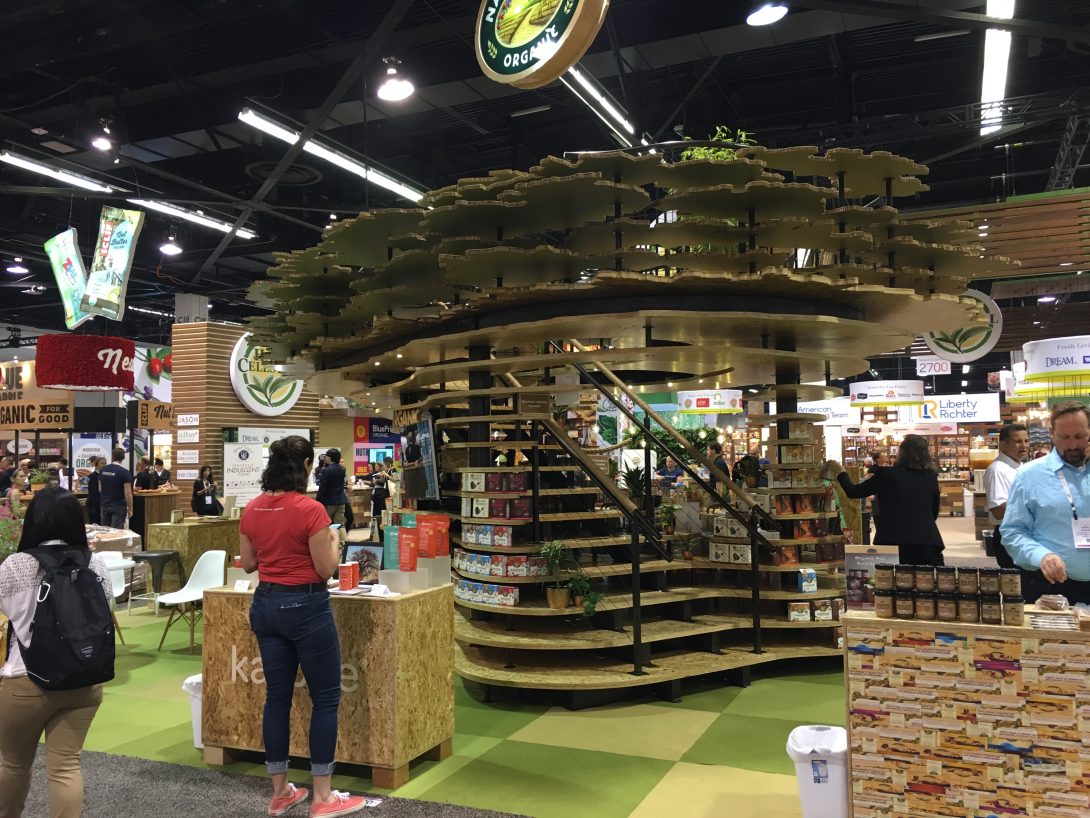
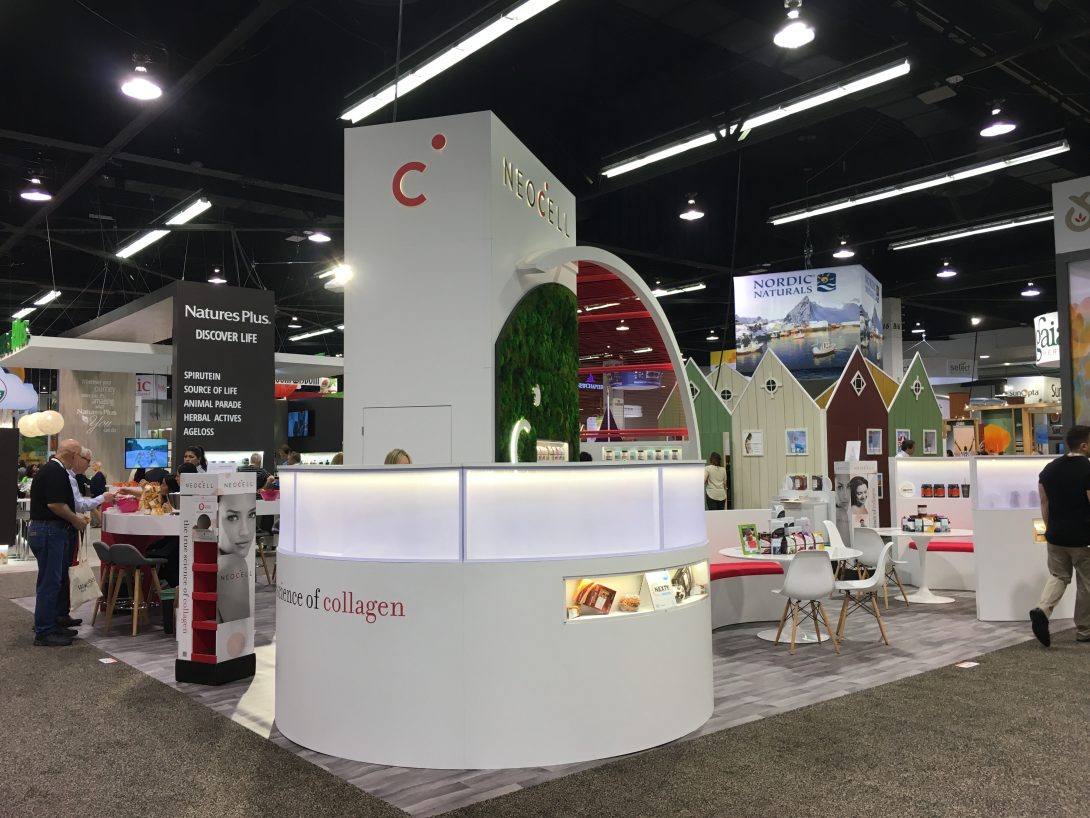
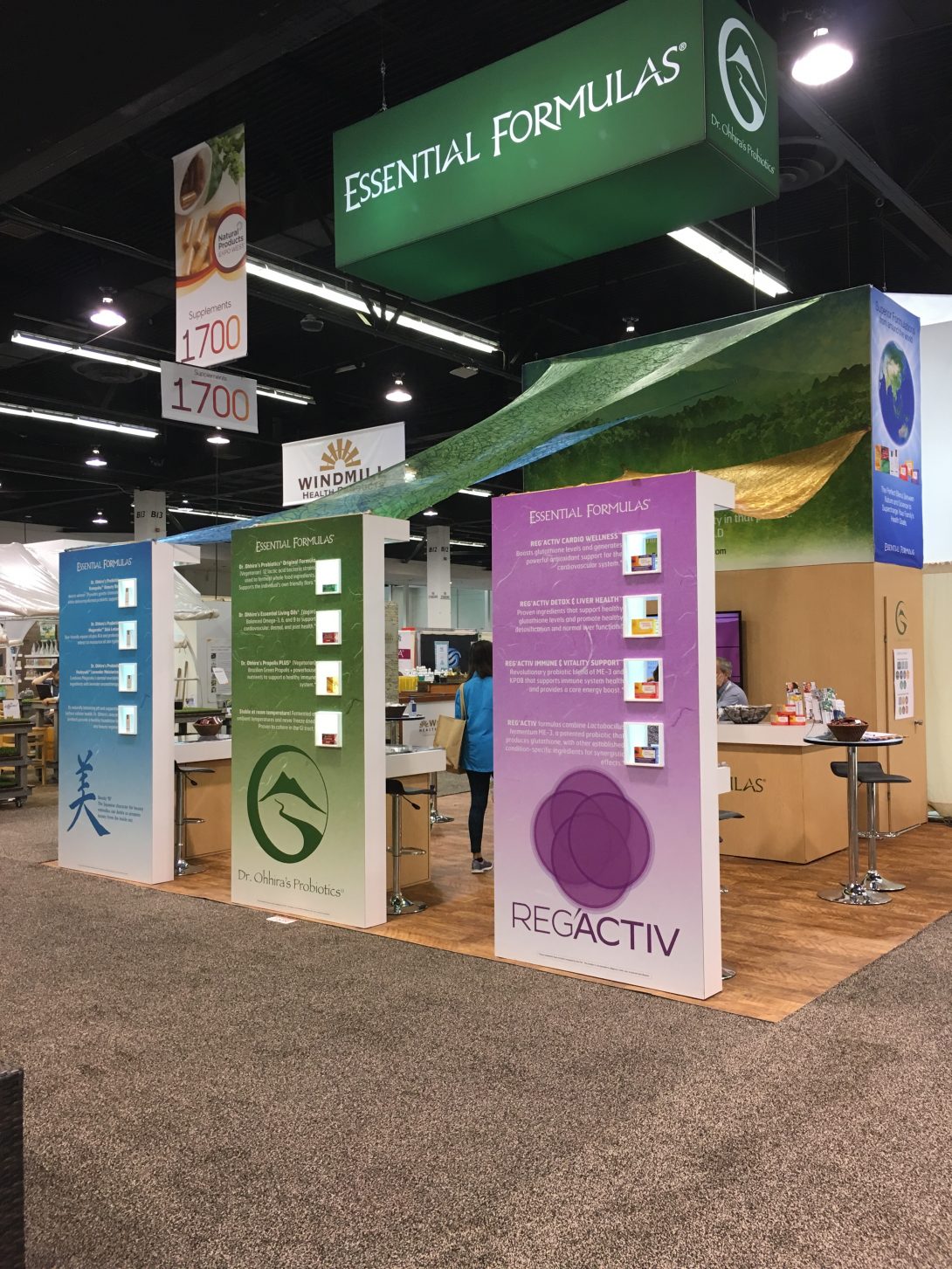
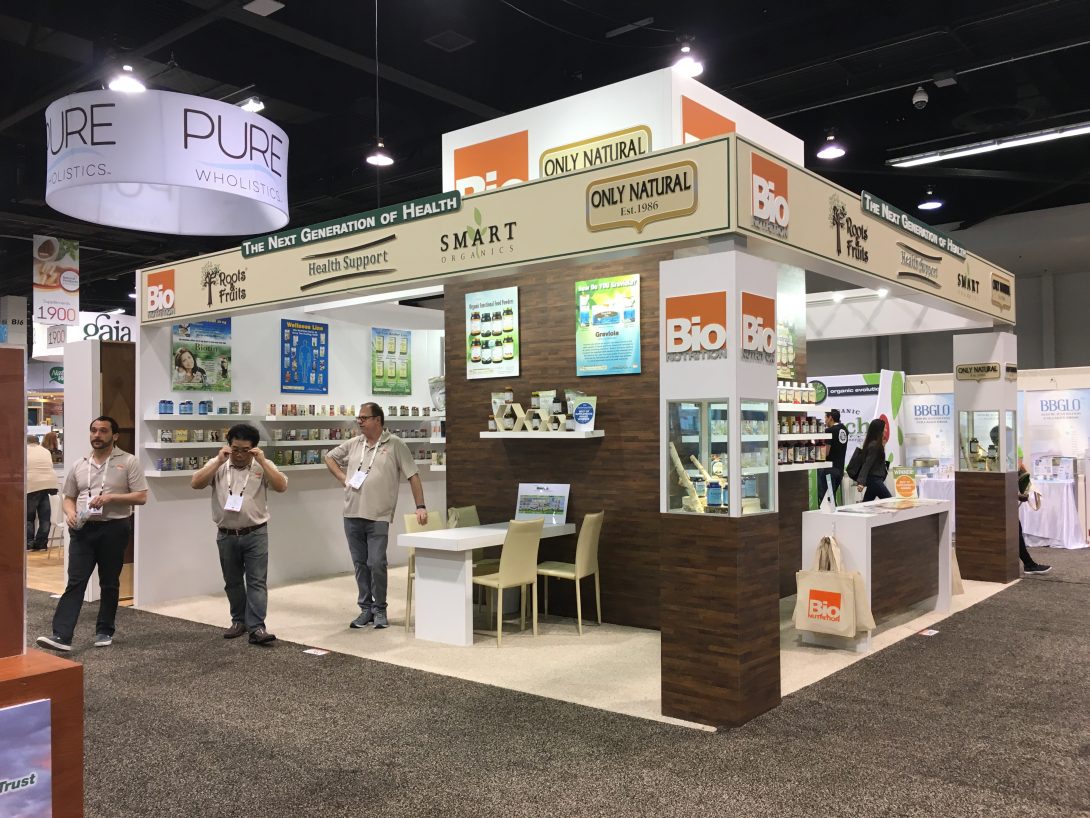
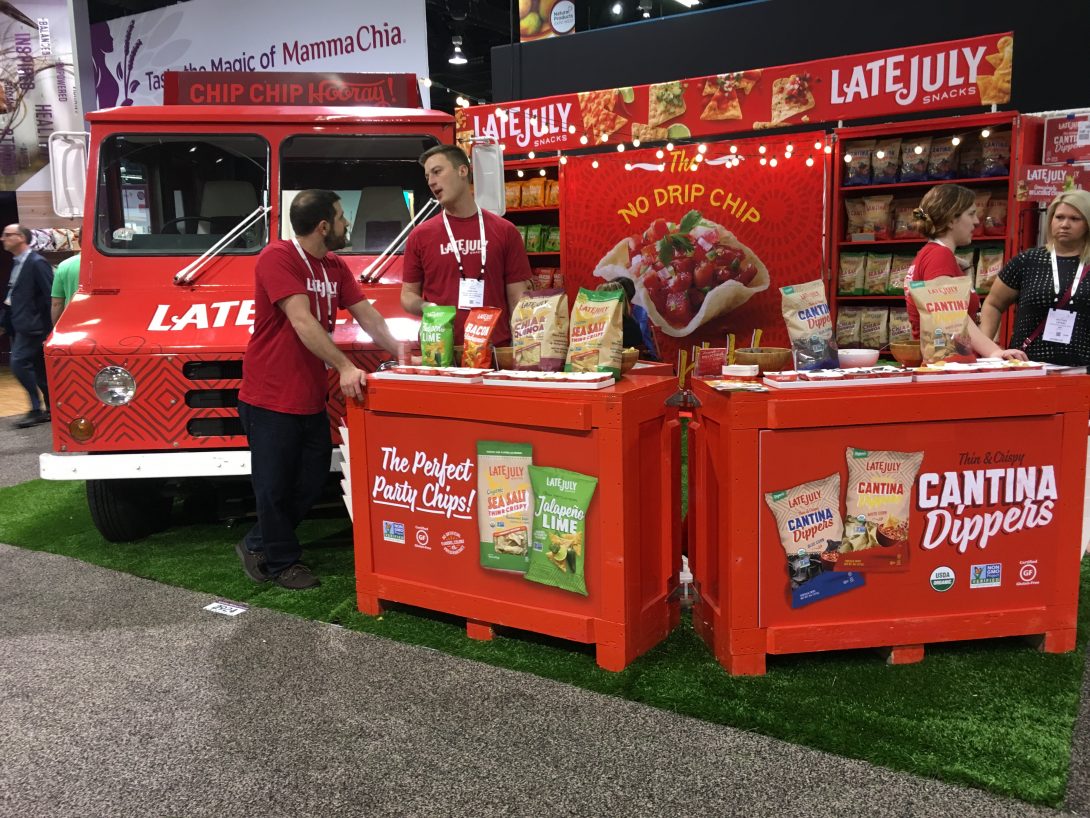
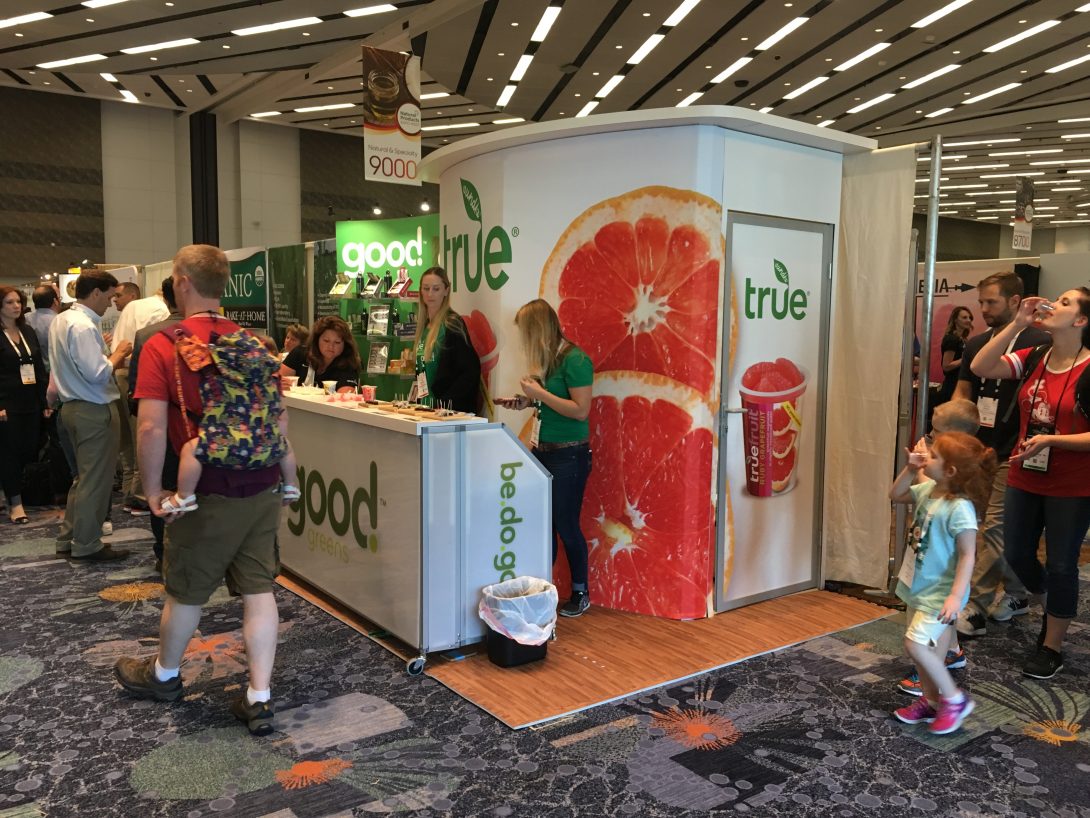
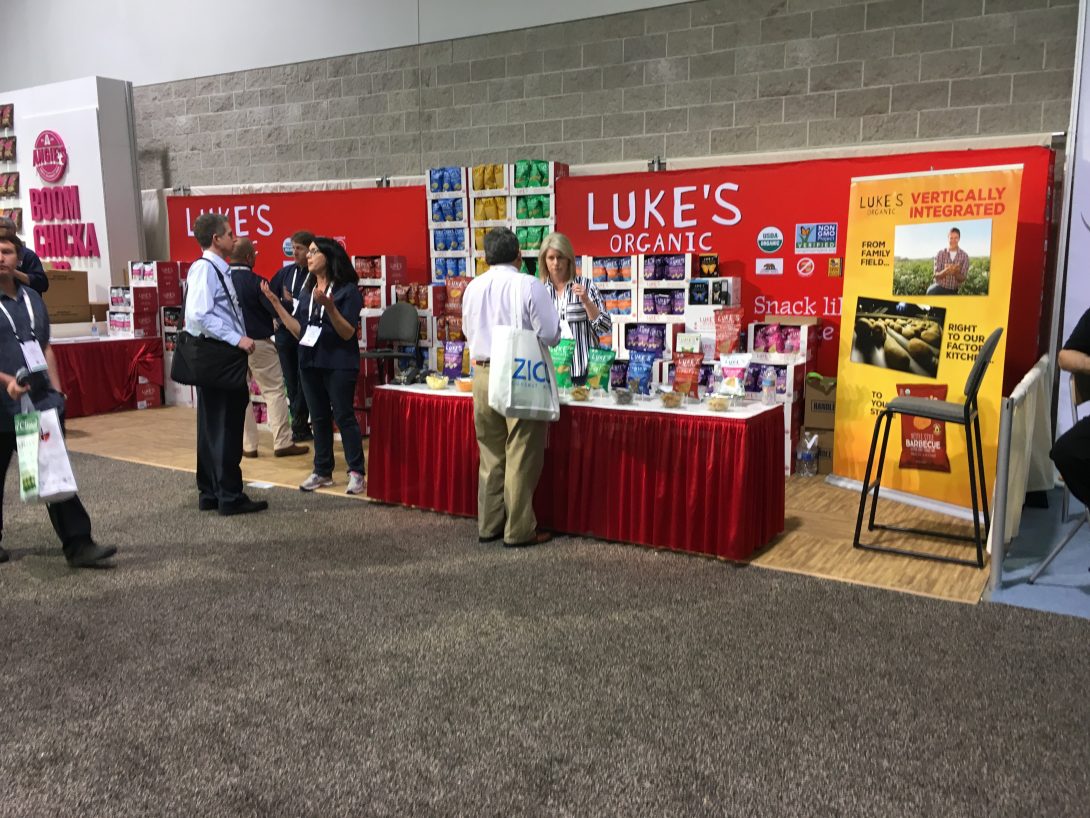
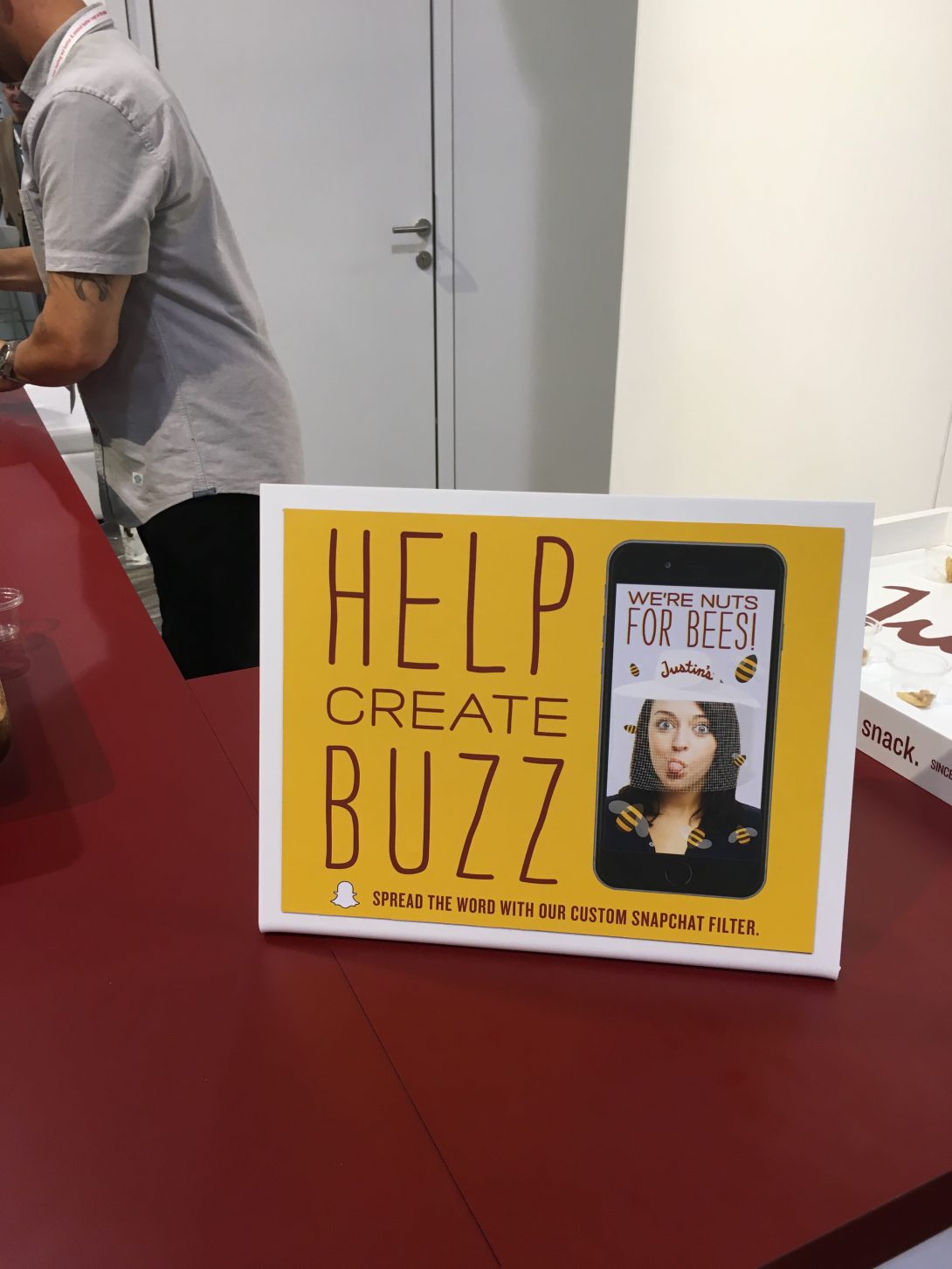
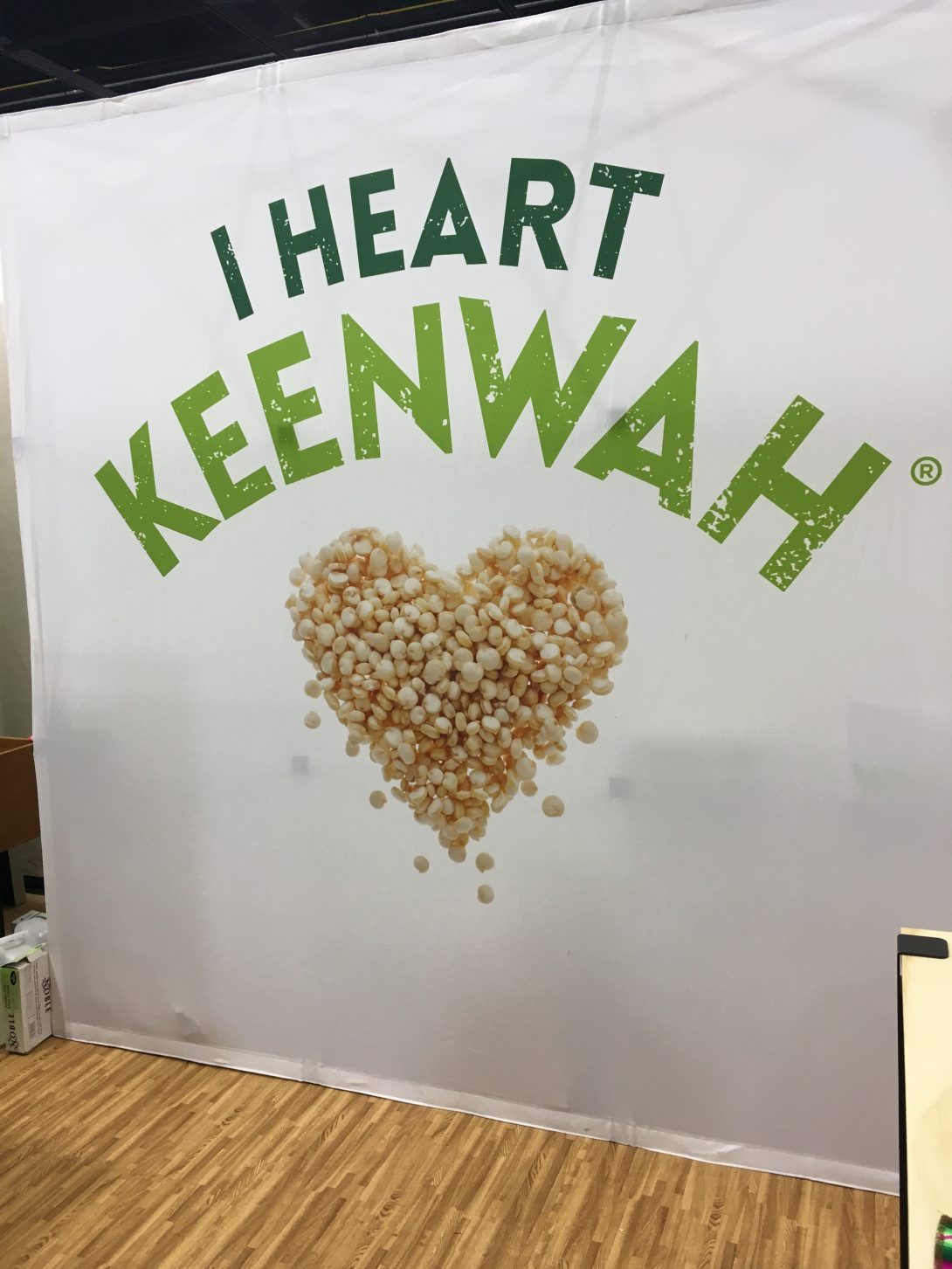

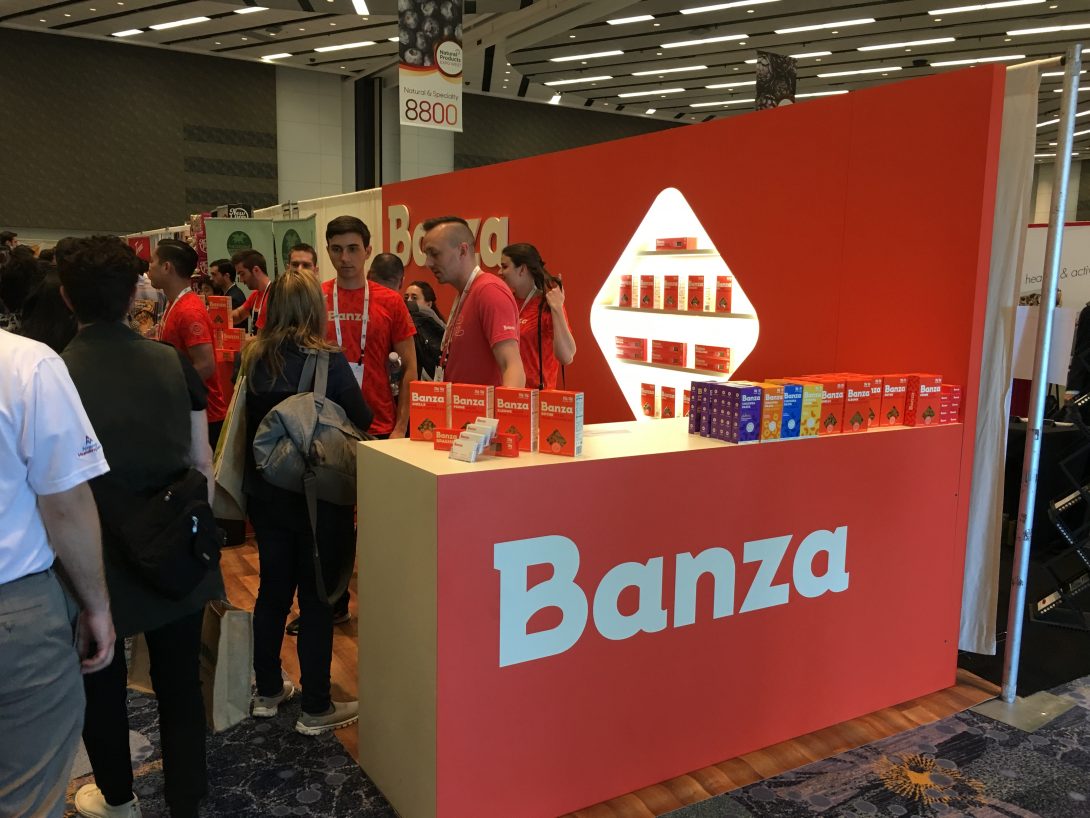
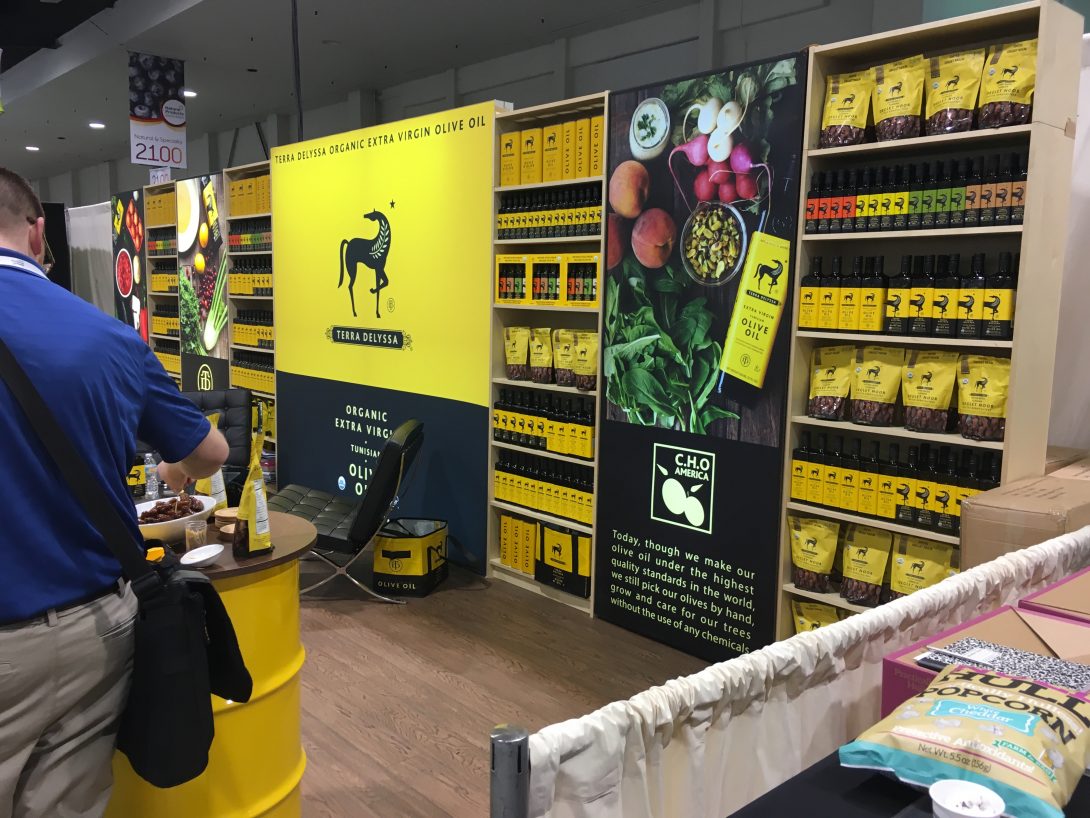
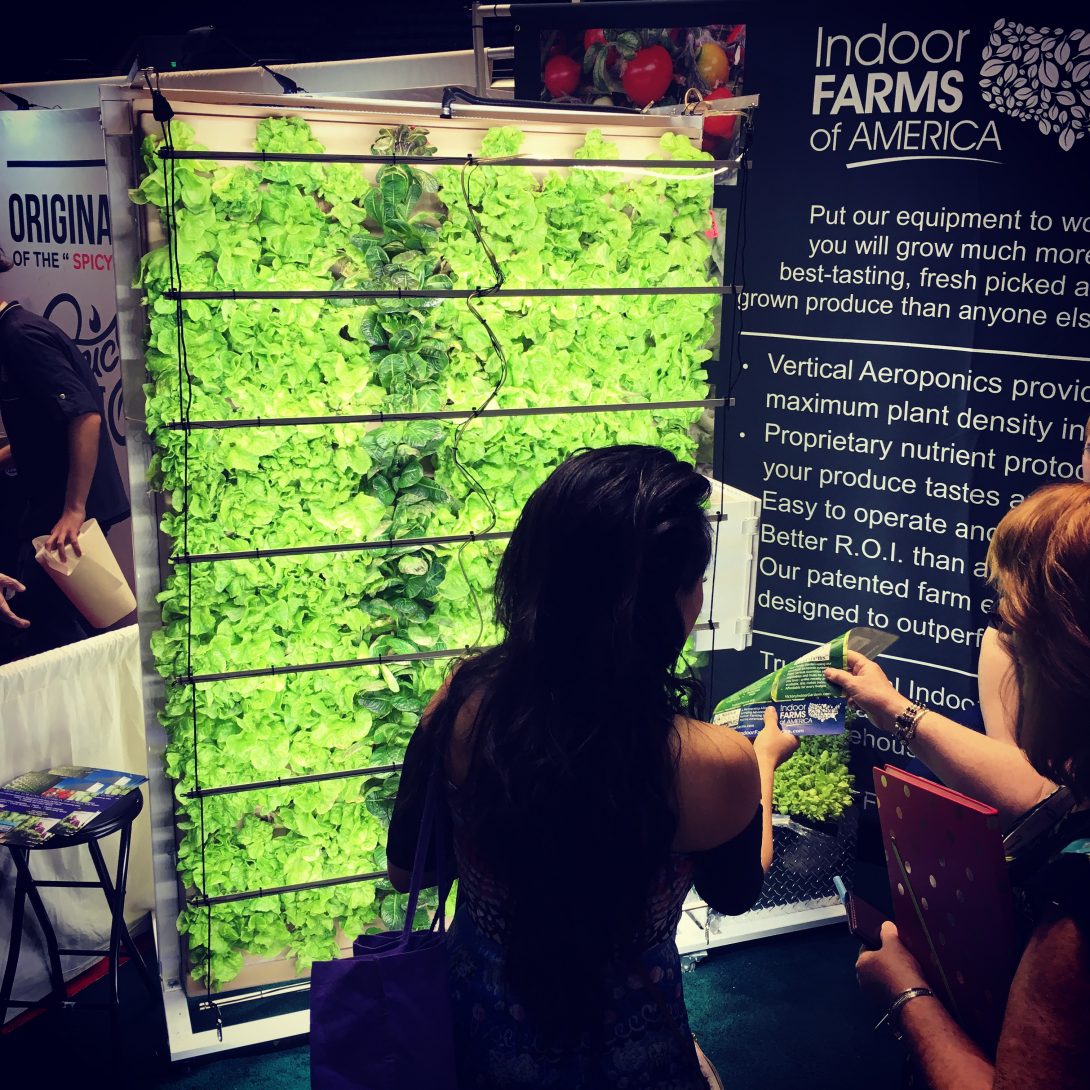
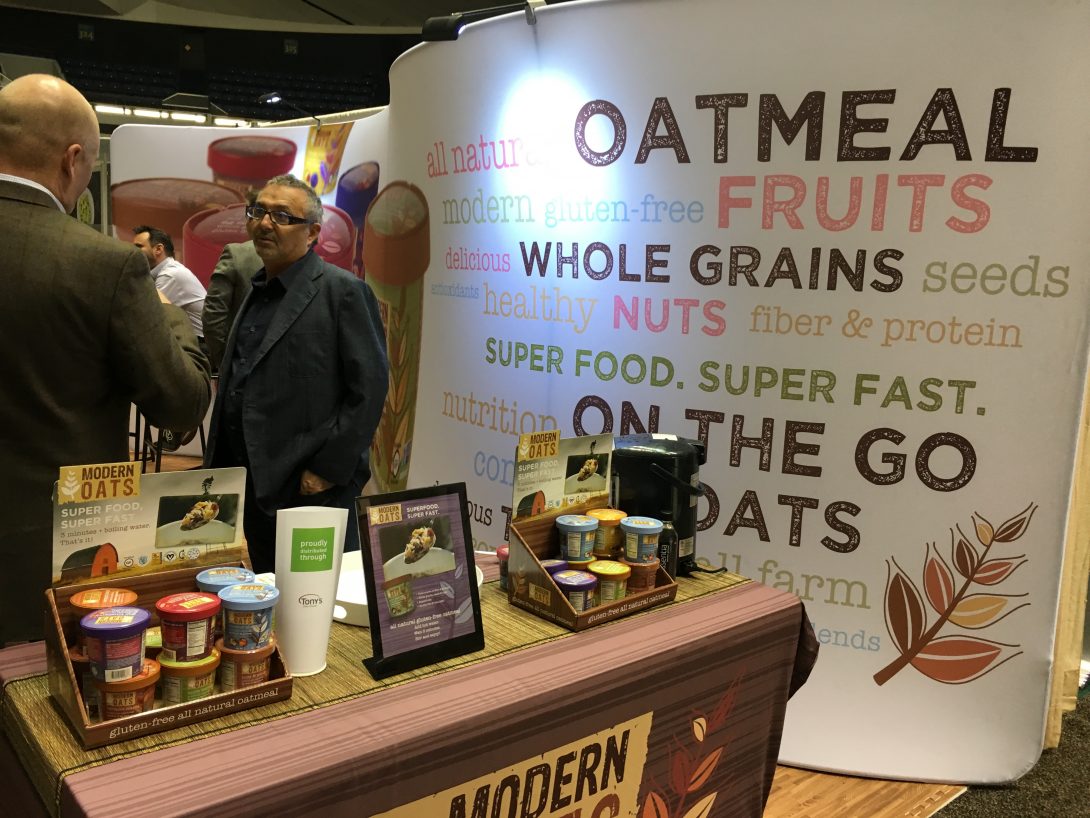
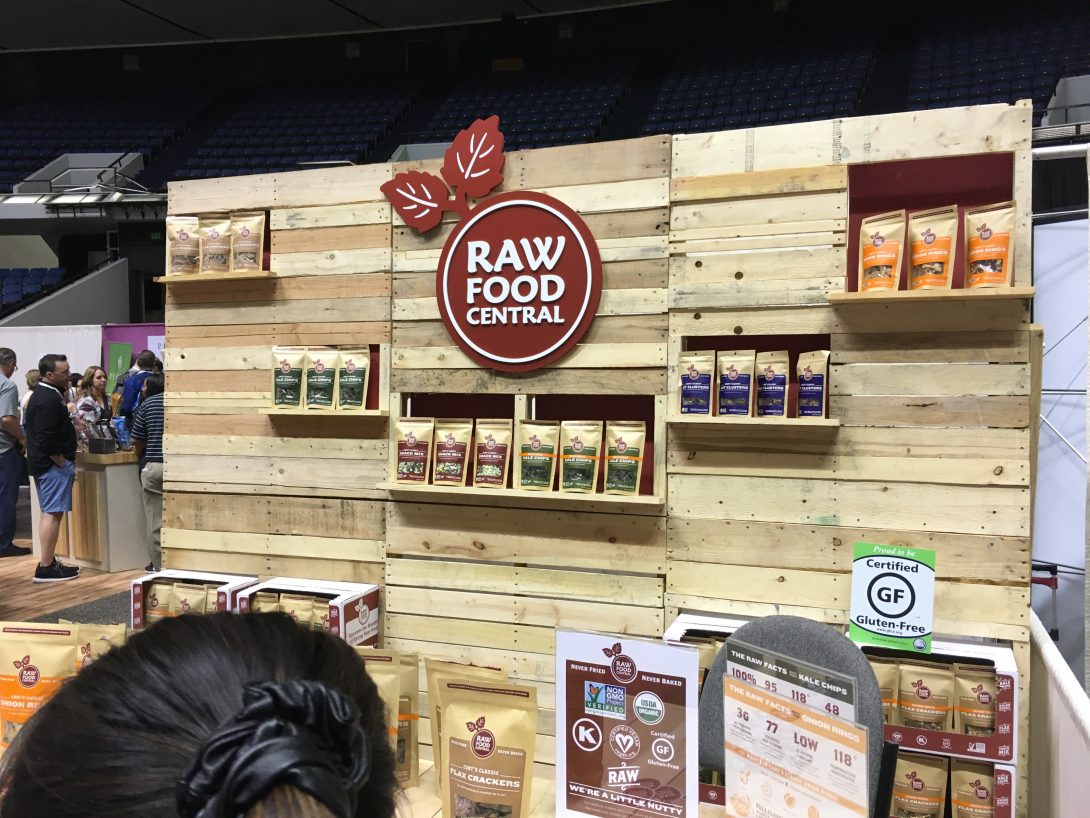
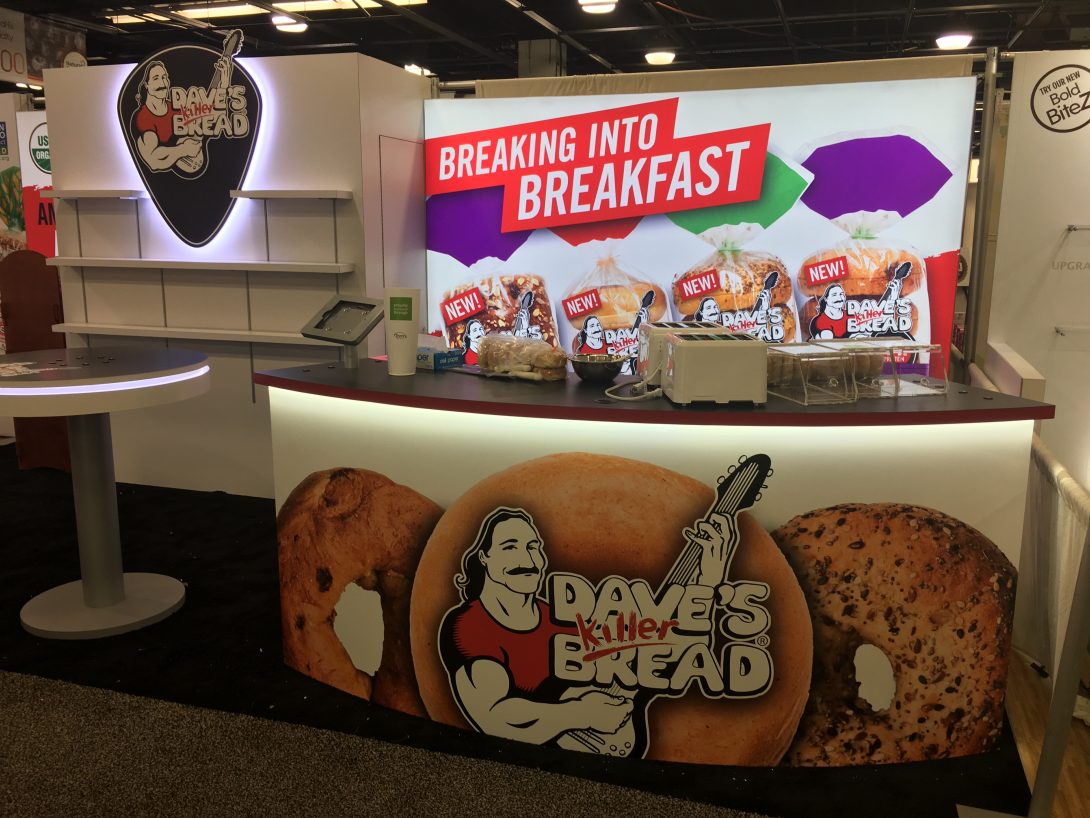
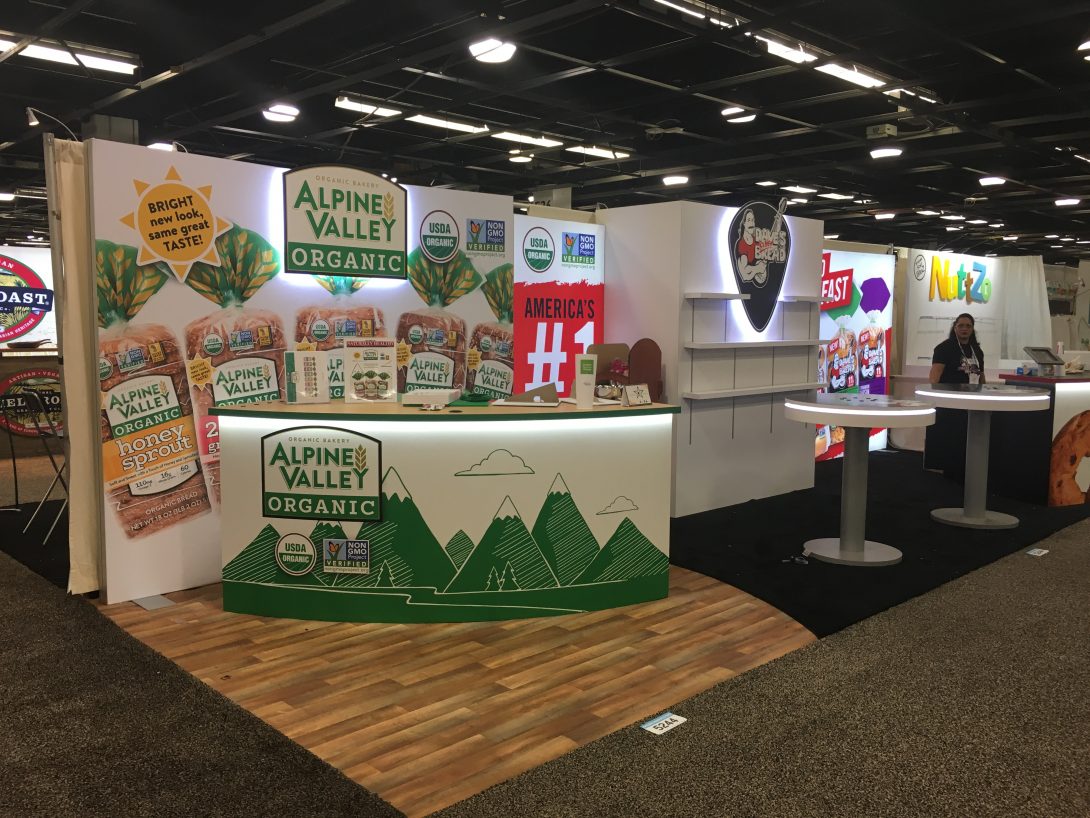
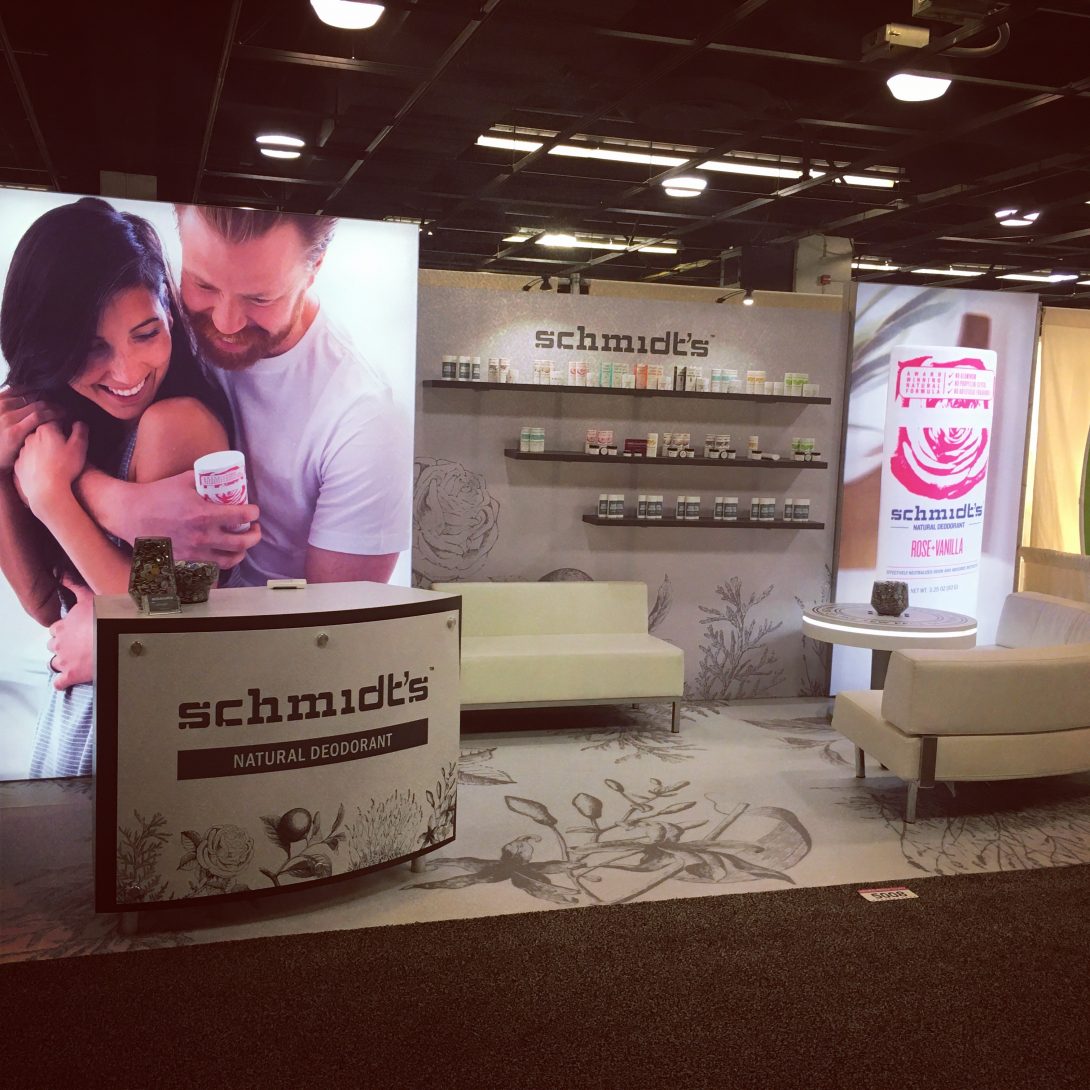
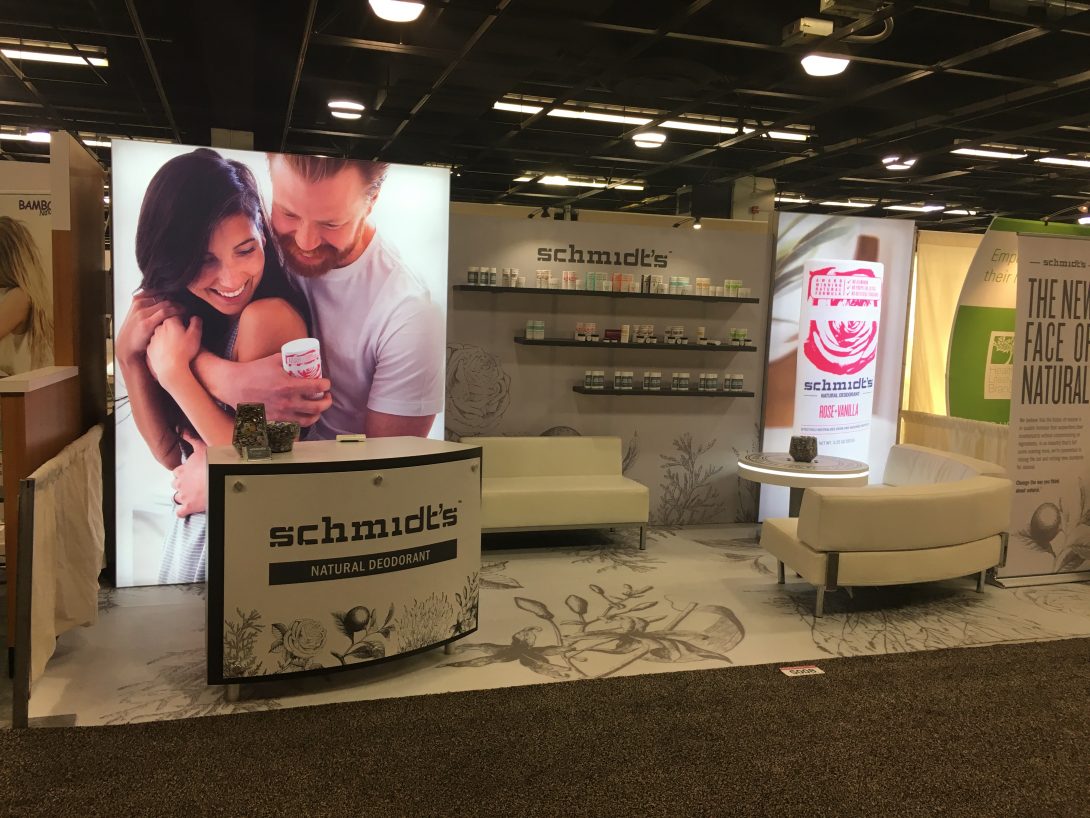
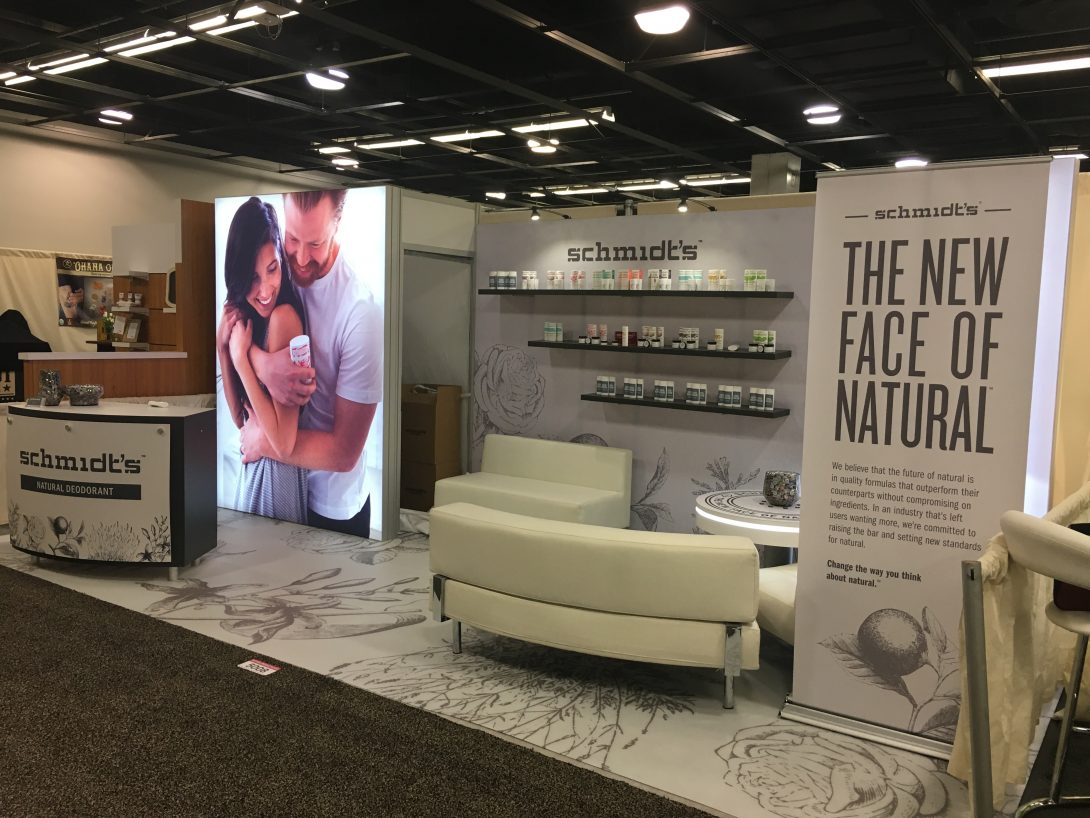

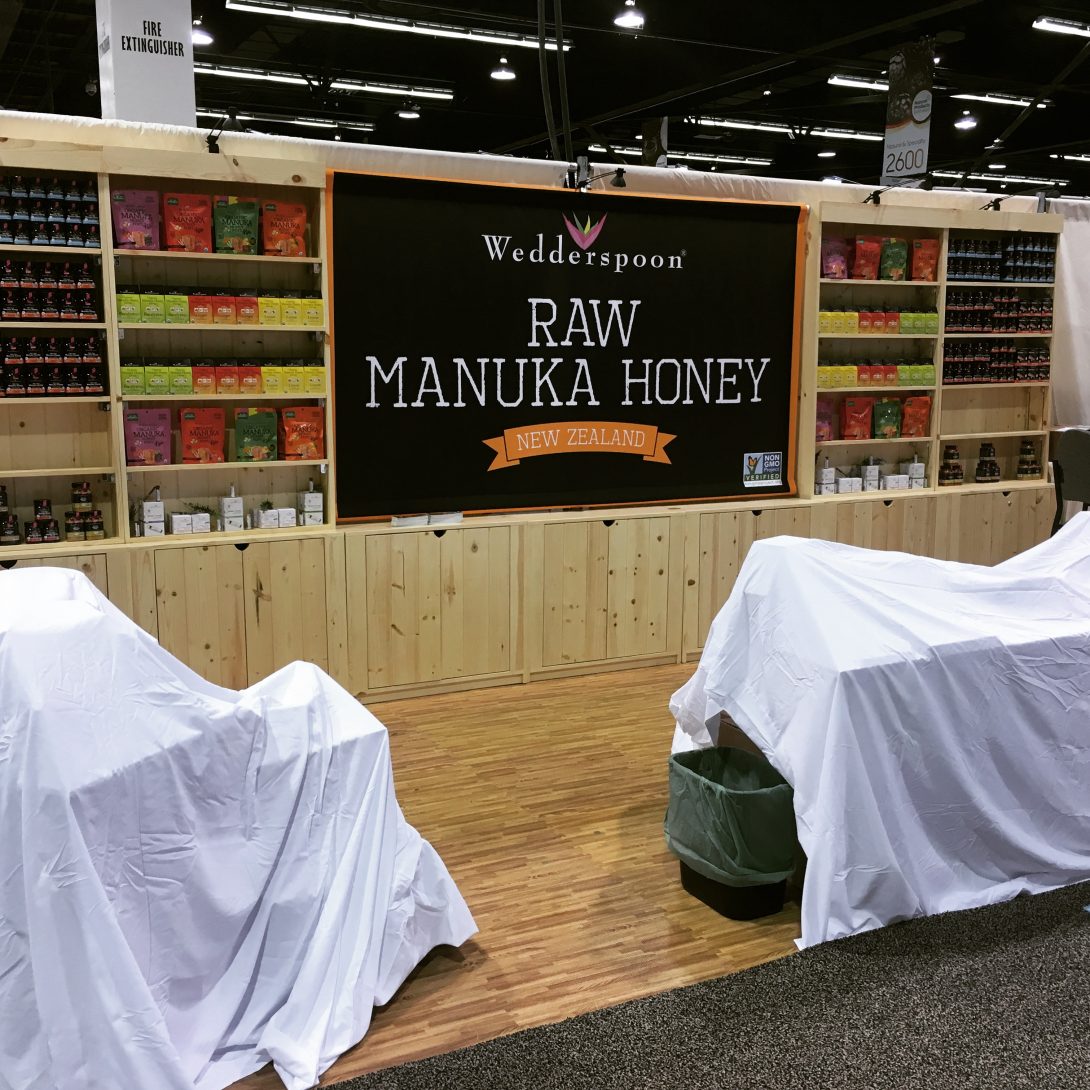
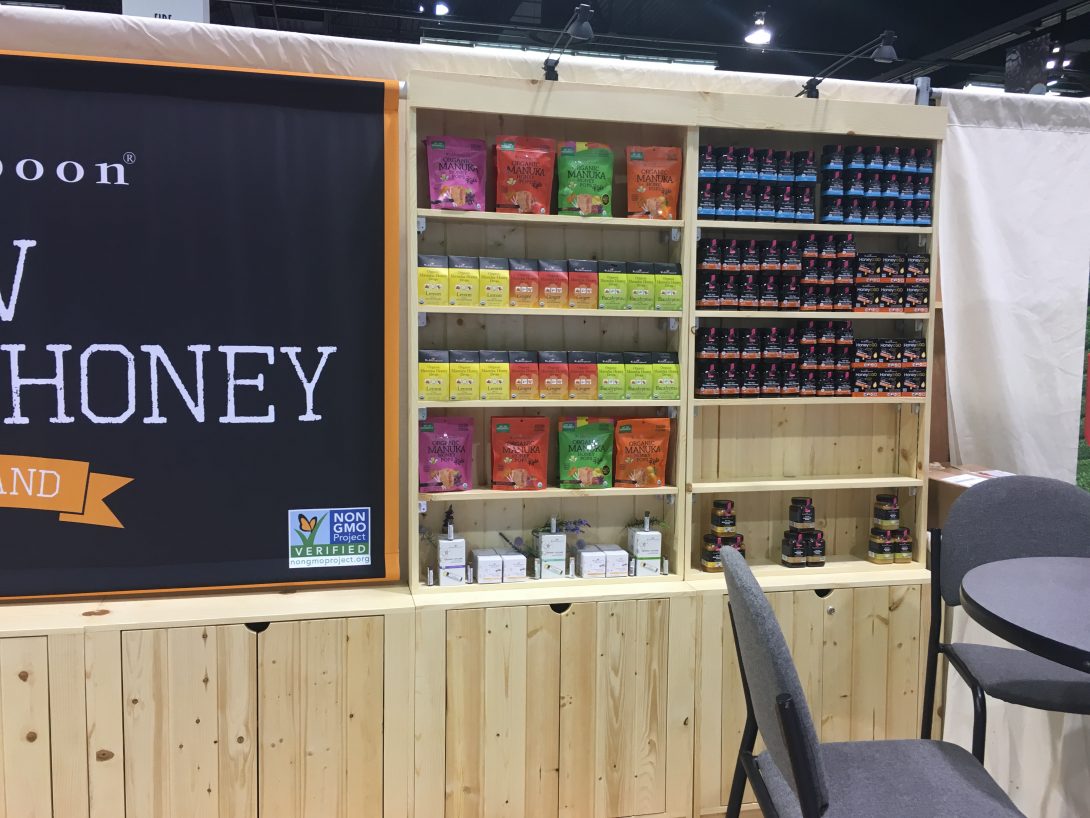
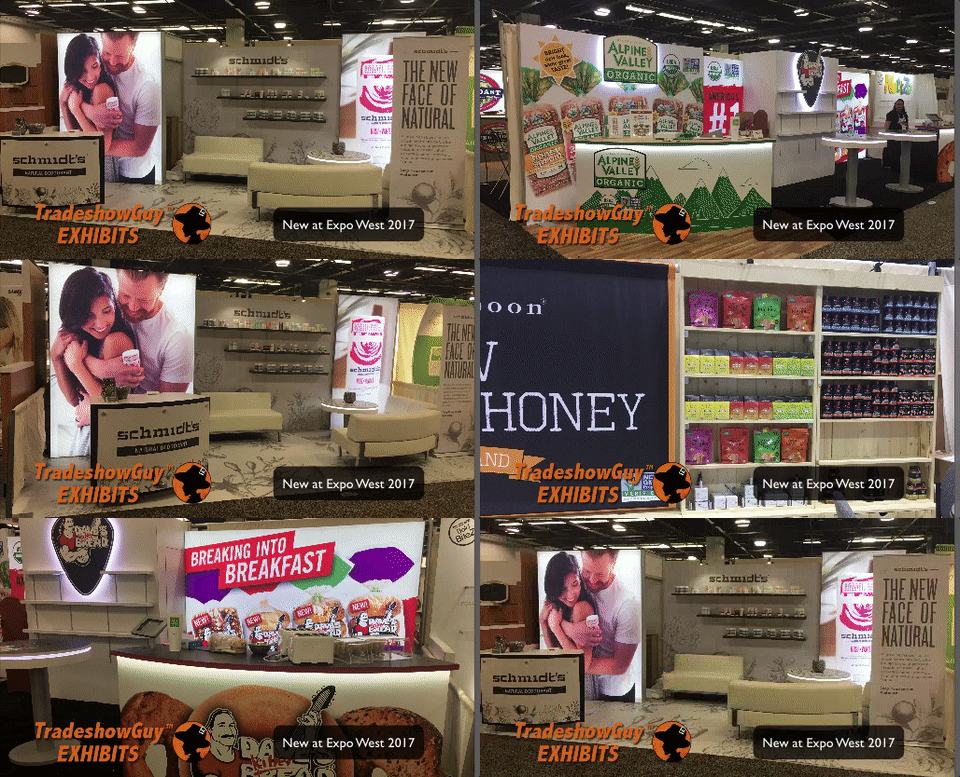
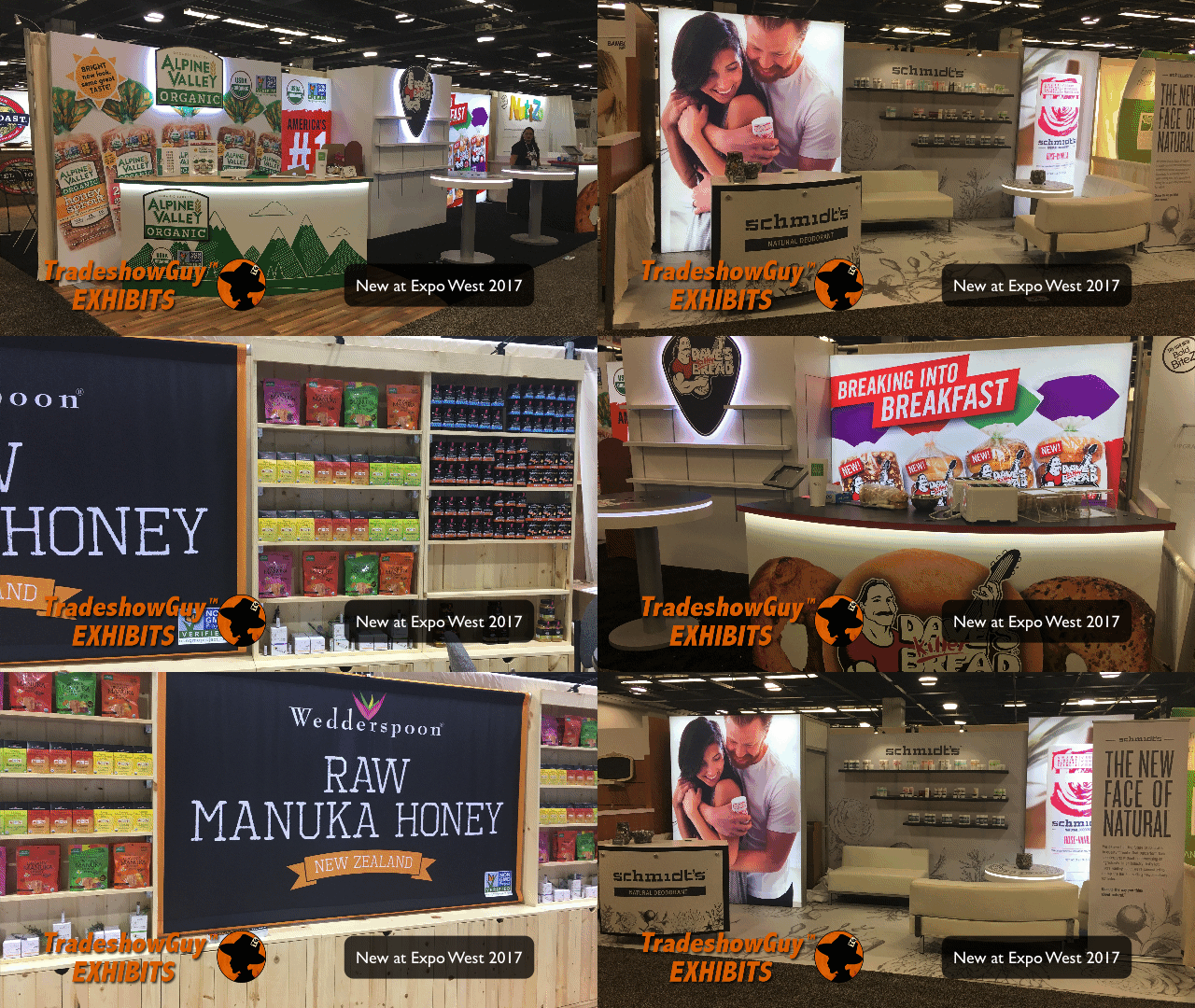
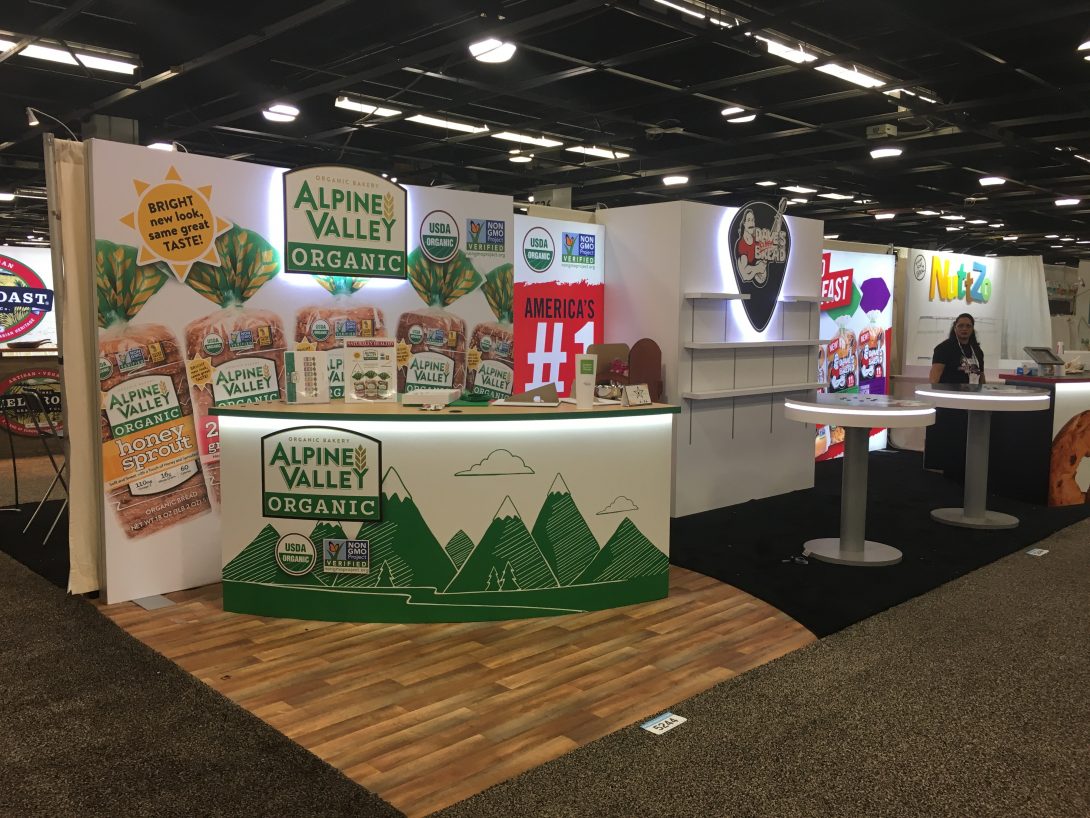
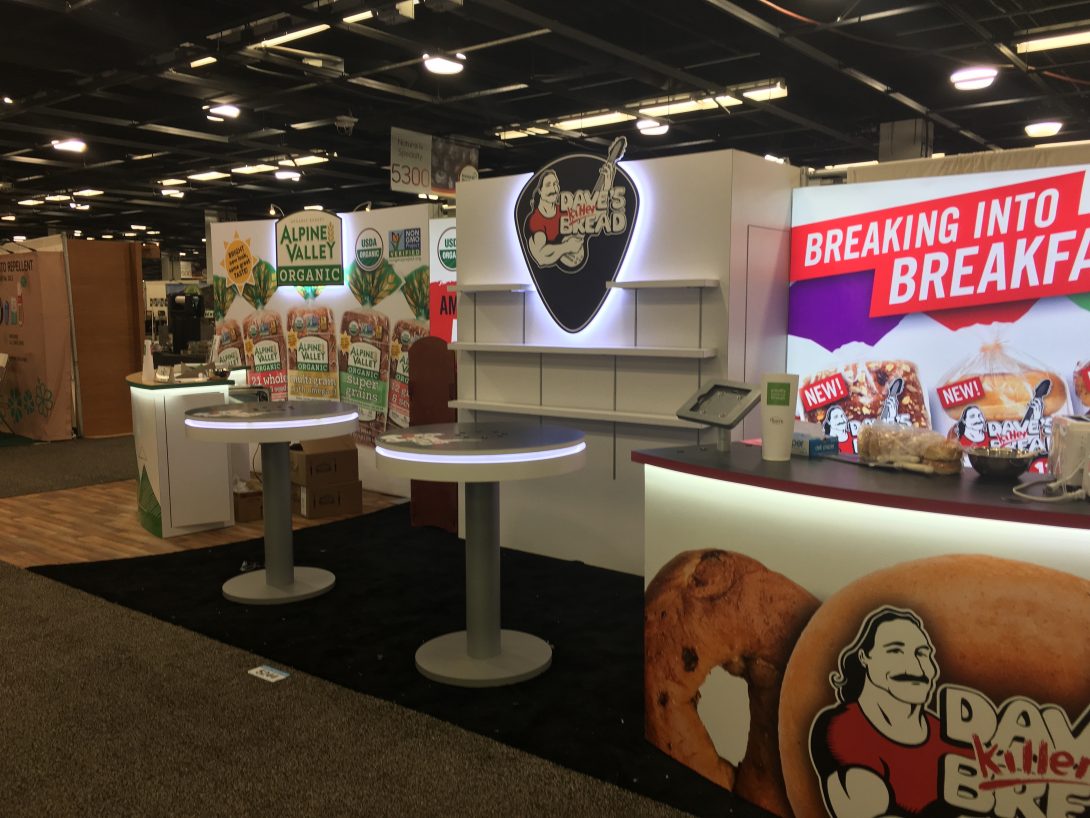
it was a good Natural Products Expo West 2017 for all of us here at TradeshowGuy Exhibits! We welcomed three new clients at the show: Dave’s Killer Bread/Alpine Valley Bread, Schmidt’s Natural Deodorant and Wedderspoon Manuka and Organic Gourmet Honey.
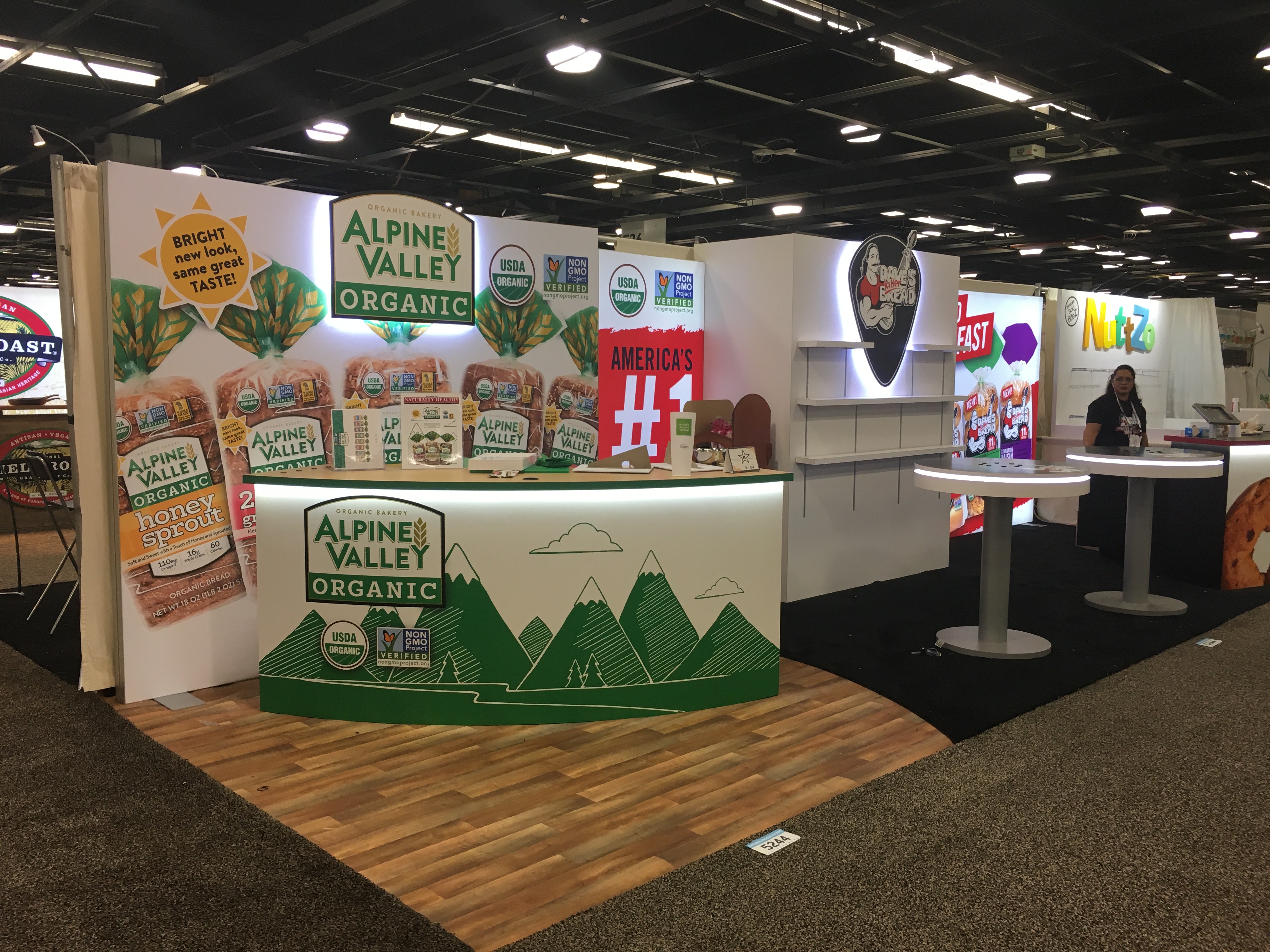
Dave’s Killer Bread/Alpine Valley Bread got it started with a 10×30 booth; 10′ is dedicated to the Alpine Valley brand, 20′ to the Dave’s Killer Bread brand. The booth featured three fabric graphics, two of which were backlit by LED lights, creating a bright and attractive light box. Both brands showed off their logos with stand-off direct print sintra with LED highlights. A small storage closet gave them plenty of room for product, along with two custom curved counters equipped with USB chargers and LED trim. One had a tablet kiosk affixed to the top.
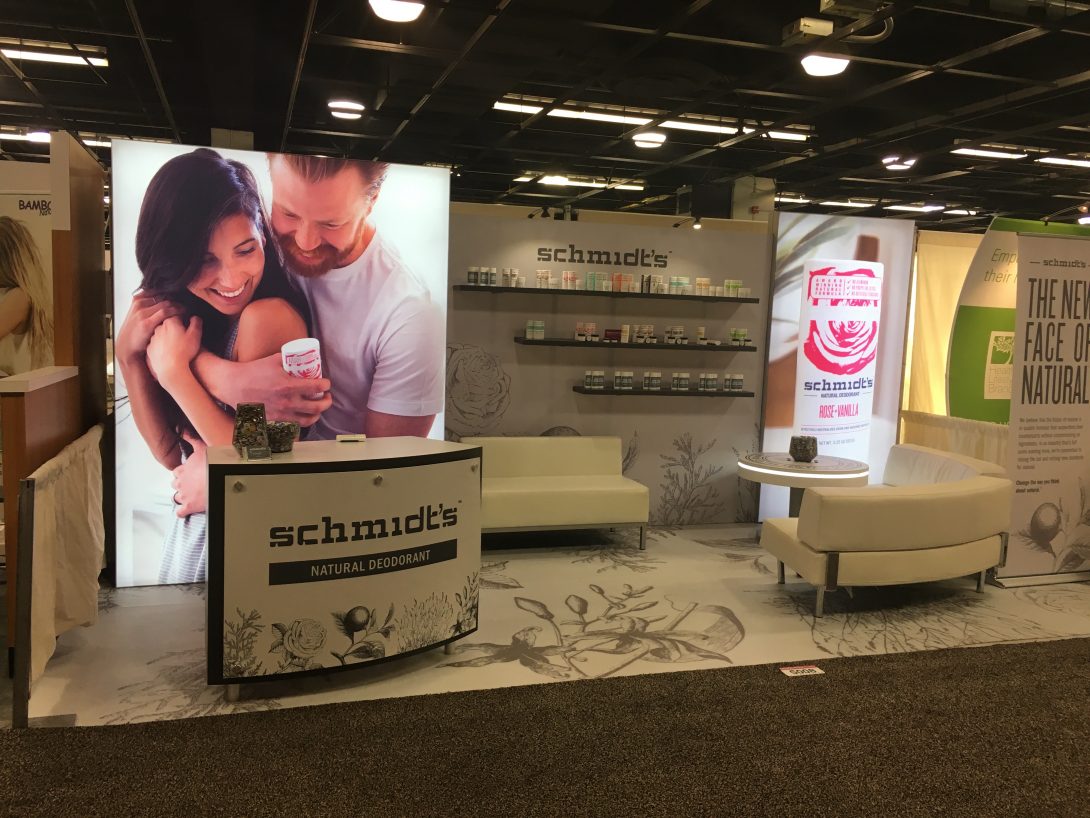
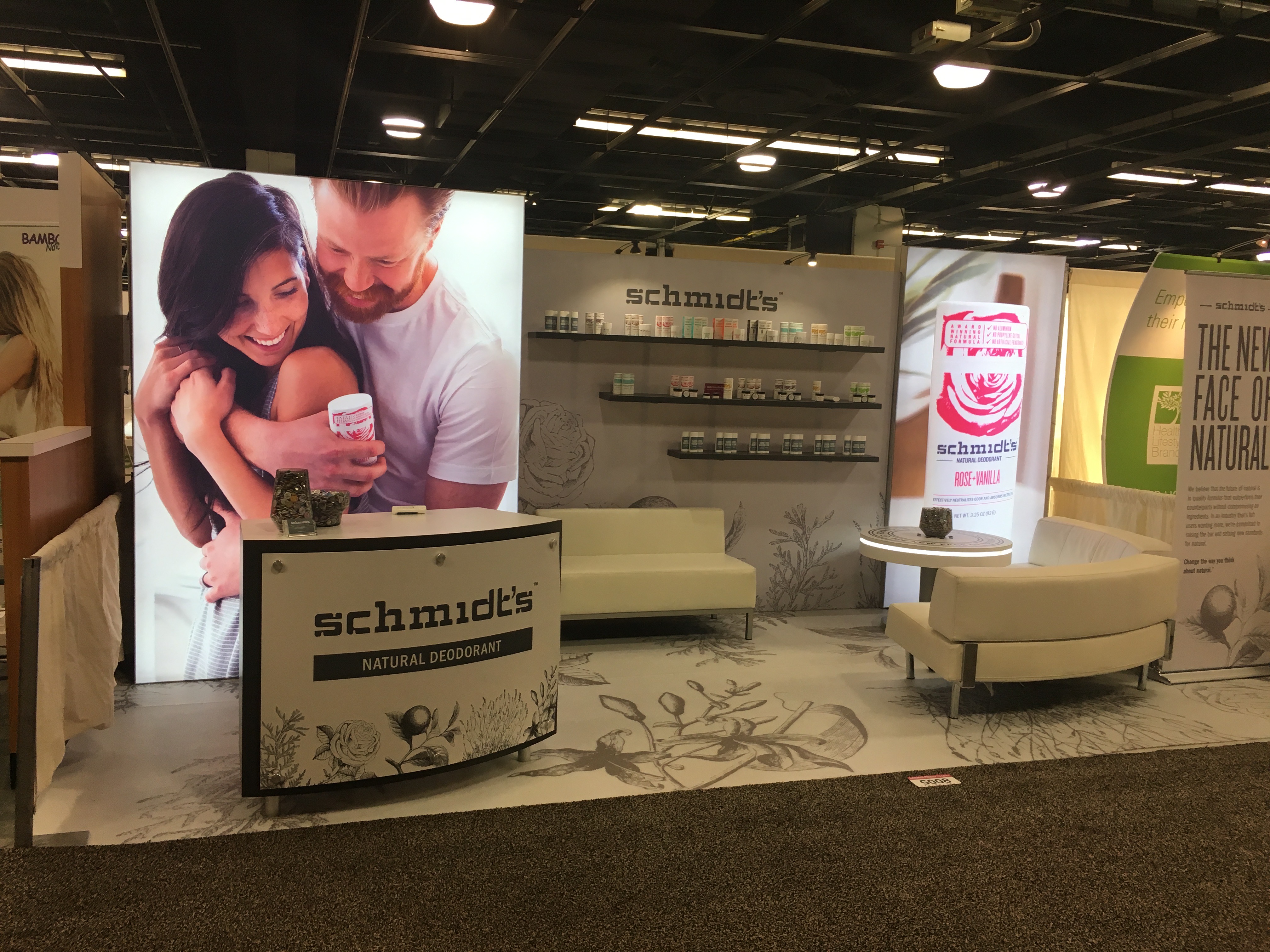
Schmidt’s Natural Deodorant is a relatively young company that has seen its products make a big impression in the marketplace. This year they introduced a new soap product to go with the deodorant, and showed it all of with a custom 20′ inline booth featuring two large fabric light boxes.
Both of these booths had custom flooring, which we’re seeing a lot more of these days.
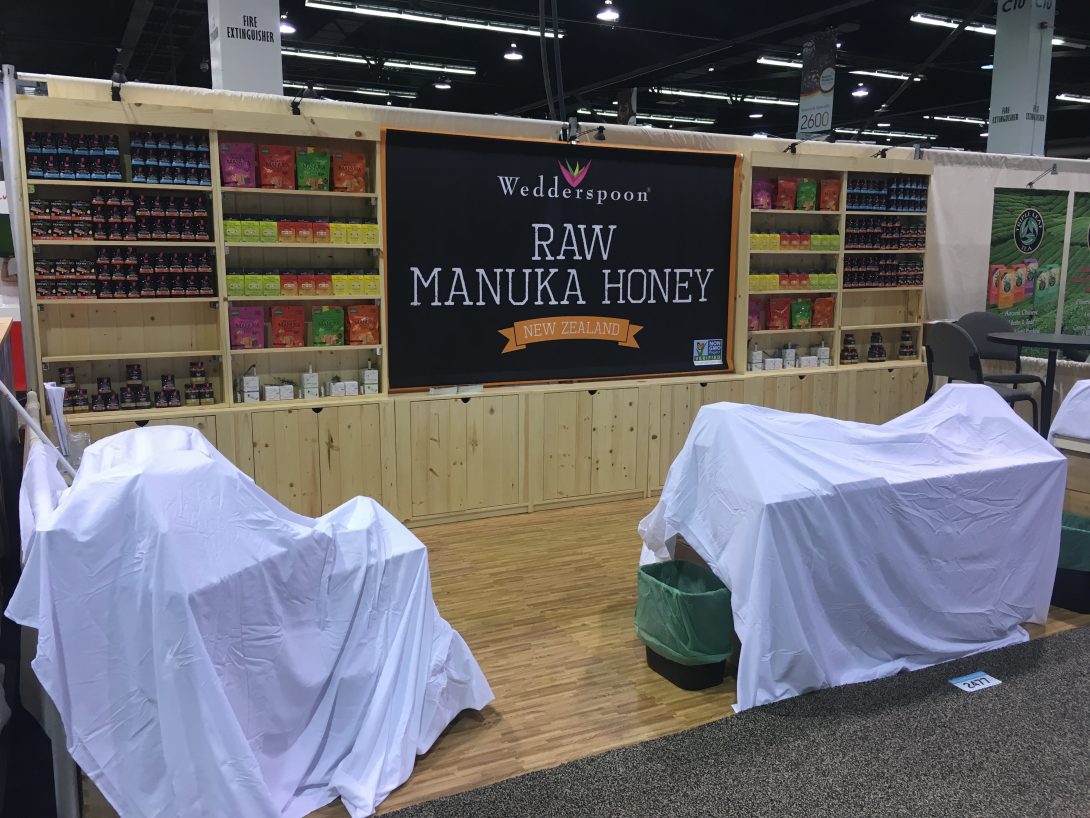
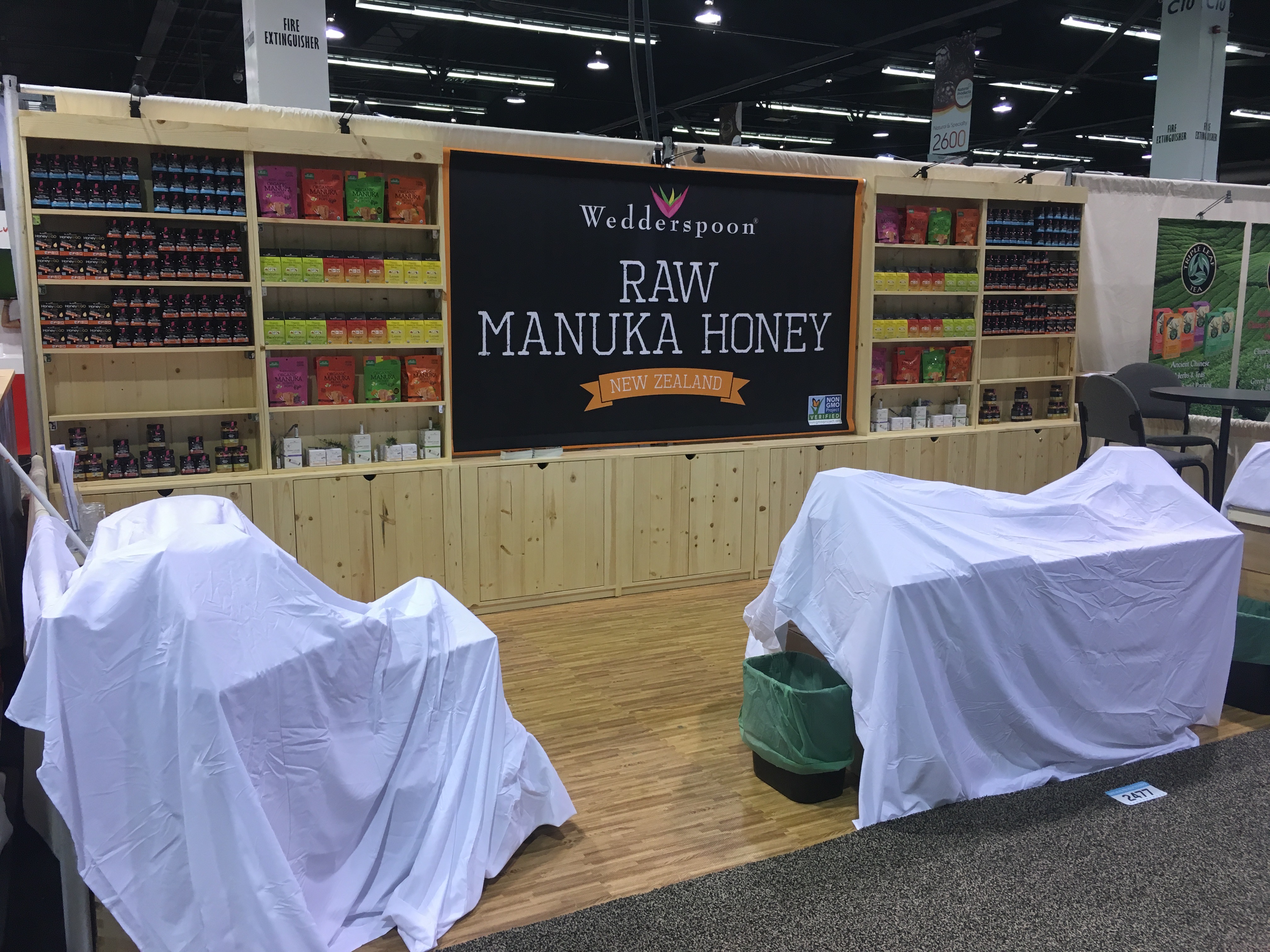
Last, but not least, we worked with Wedderspoon from Philadelphia to create a wood-shelf oriented booth to show off their line of New Zealand honeys. This was a simple, elegant wooden booth that gave them a large hanging graphic in the middle, several display shelves and ample storage space.
All of the companies reported glowing comments from visitors on their new exhibits. But more importantly, the great folks from Dave’s Killer Bread, Schmidt’s Naturals and Wedderspoon loved the exhibits and were a joy to work with. It’s another good reminder of why we’re in this industry: to make you look good!
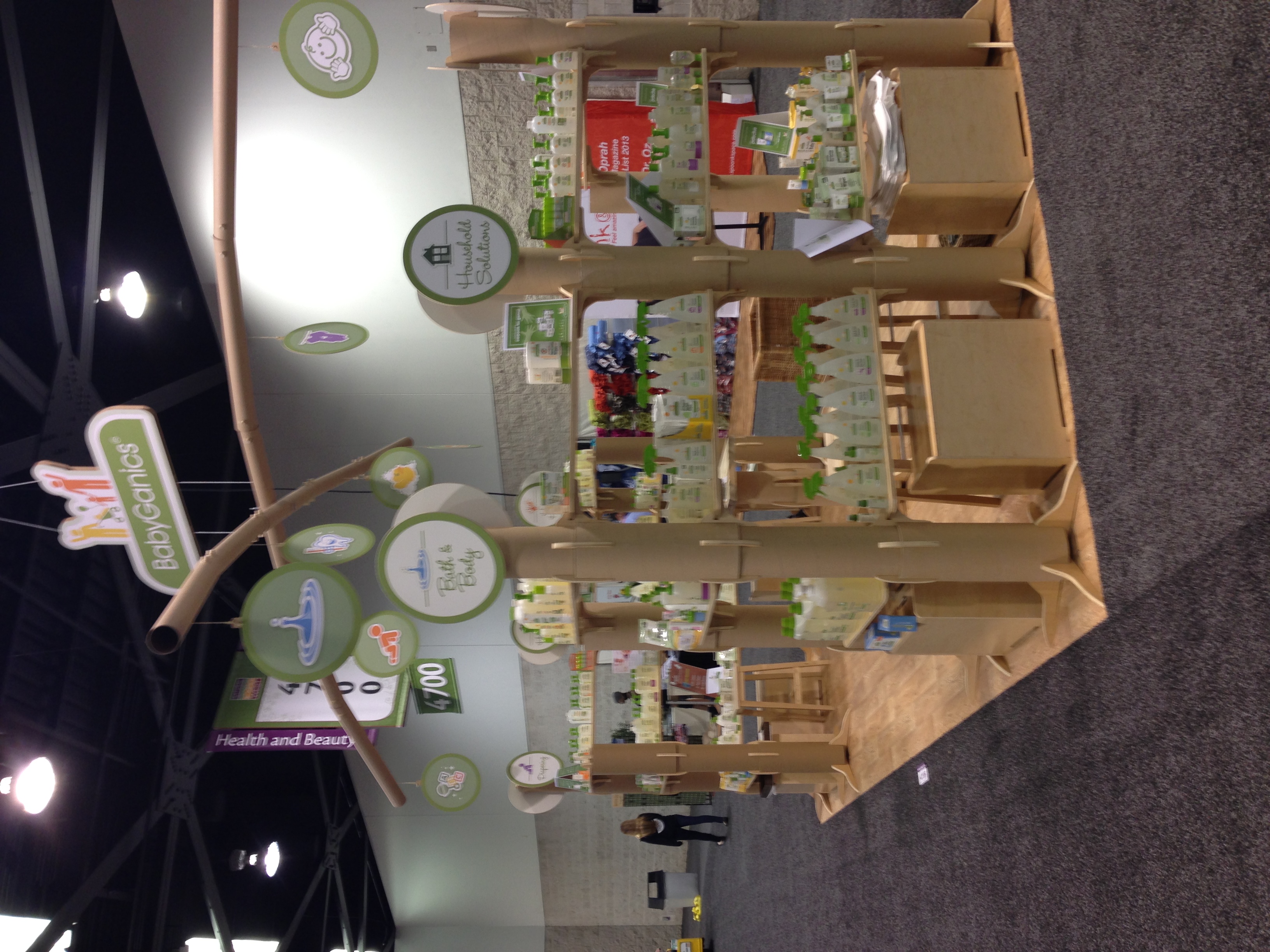
All this talk and angst about ‘repeal and replace!’ Yet it happens all the time in the tradeshow world. Yesterday I walked the floor of the Natural Products Expo West show in Anaheim as exhibitors assembled exhibits for business later in the week. Many of the exhibitors there have performed a version of ‘repeal and replace’ on their exhibits. Others have done a partial makeover, hoping to satisfy the budget-minded constituents in the company. And yet others have stuck to their guns, not making any changes from last year.
That’s the way of the tradeshow world. Every year there are new competitors in the marketplace. Every year there are new potential customers that are going to view your exhibit with new eyes. Every year there will be the same visitors who have seen your exhibit before.
So what prompts a company to throw out the old – repeal – and bring in a new exhibit – replace? It could be any number of things, but a recent client described it perfectly: their old exhibit was a ‘train wreck’ and the new one fixed all those issues with something that was well-planned and well-executed.
Certainly budget comes into it. So does function. So does the competition, company growth (or contraction), change of direction or any number of things.
When you’ve come to the decision to repeal and replace your exhibit, take the time to get it right. You’re going to want to live with it for several years.
On this week’s coffee, I spend some time going over the question of asking better questions. If we learn to ask better questions, we’ll get better information. So what does it take to ask better questions? Take a look:
Notes from this week’s vlog:
Fast Company article by Stephanie Vlozza
TED talk on asking better questions
ONE GOOD THING: The Portland International Airport
Audio Podcast Version:
Get the free report “7 Questions You’ll Never Ask Your Exhibit House”
Seriously, isn’t that an absurd question to ask about tradeshow marketing: are you Hendrix or Hemingway?
Or maybe not. Let’s have a little fun for a moment.
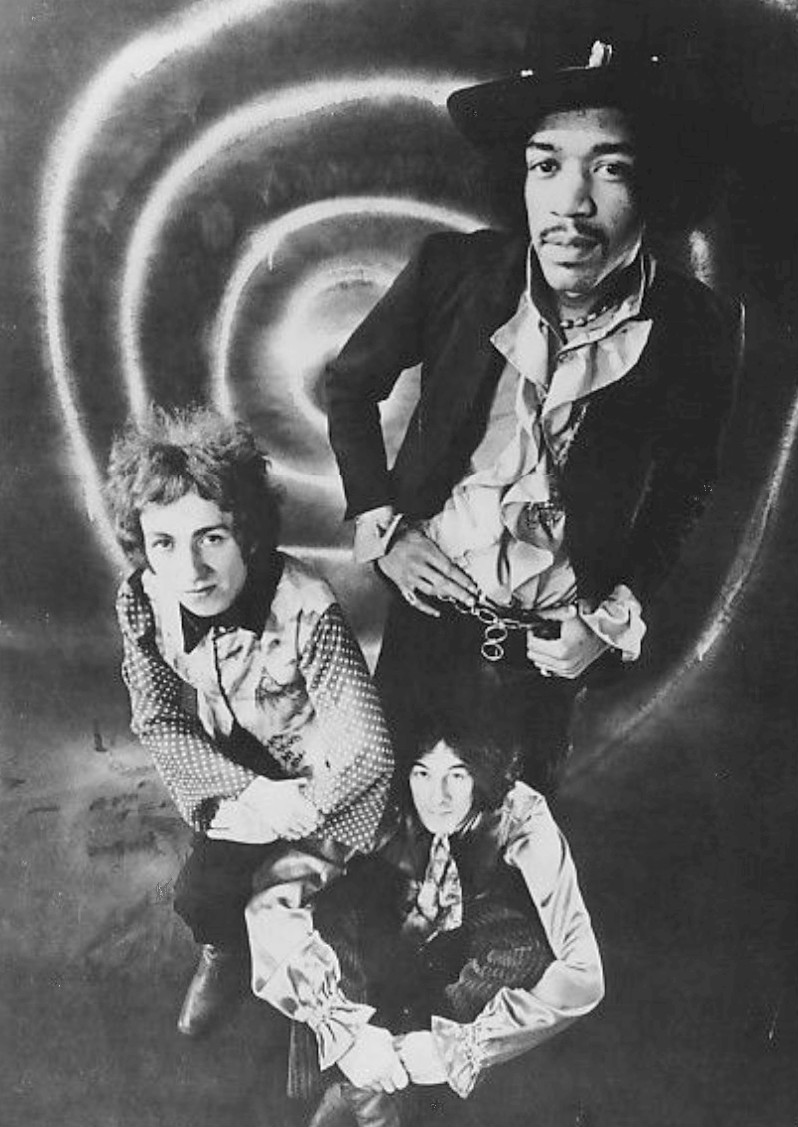
Picture Jimi Hendrix standing at the edge of your tradeshow booth, or on a small stage in your booth, looking to draw people in for a show.
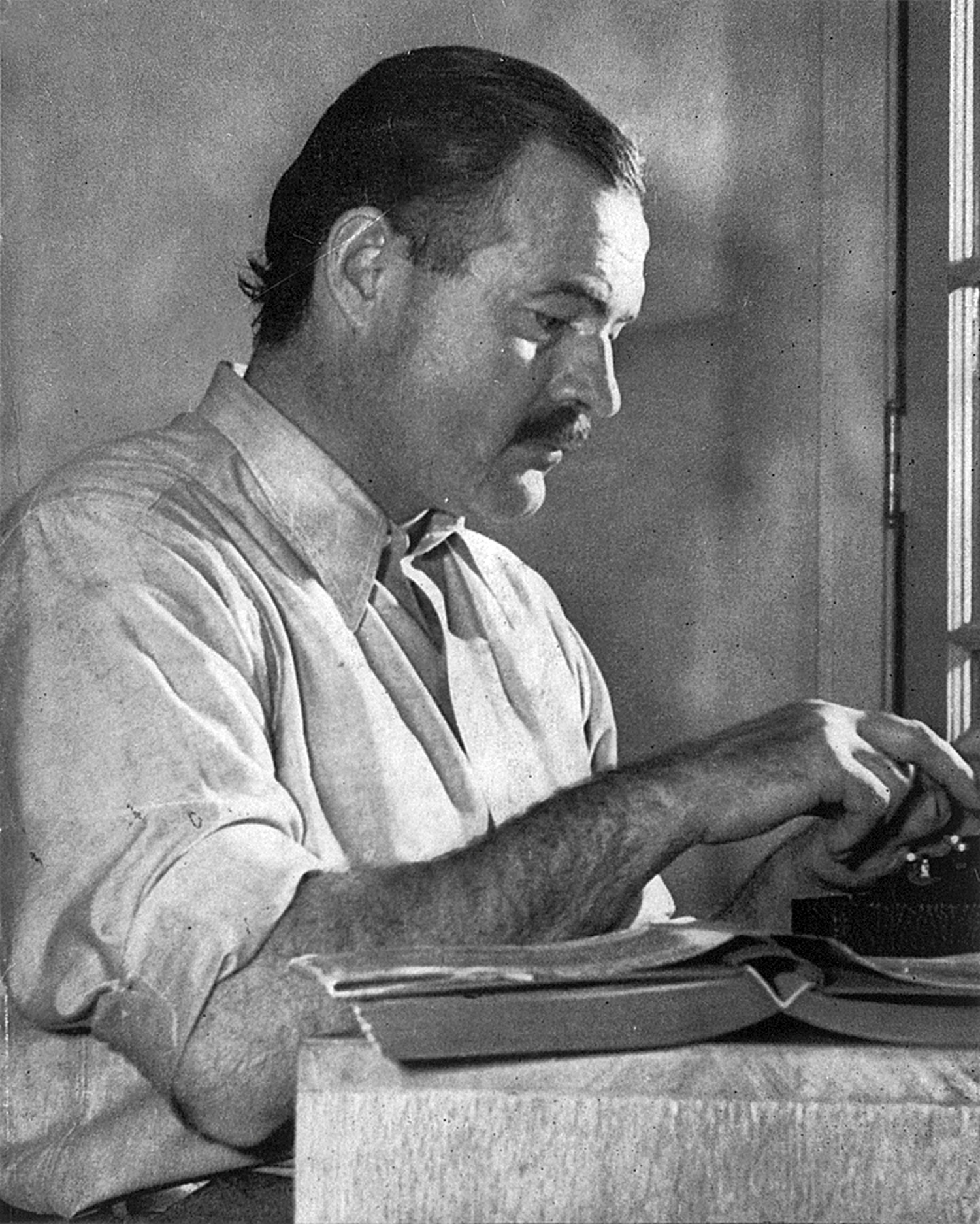
Now imagine Ernest Hemingway, sitting at his typewriter, carving out phrase after phrase to tell a story in a simple, eloquent and easily understandable way.
Which would make for a better result? Hendrix or Hemingway?
Hendrix was a showman. A one-of-a-kind guitar player whose talent still ripples through time.
Hemingway was a storyteller. His tales resonate through time as well.
Frankly, you might need both. You need a good tale, and you need a showy way to get people’s attention so they can take it all in and respond in a positive fashion.
Which are you – Hendrix or Hemingway? Or some combination of the two?
Now, let’s watch some Jimi…
And just for fun, a clip of why Ernest Hemingway was such a badass…
Photo Credits:
Ernest Hemingway By Lloyd Arnold – http://www.phoodie.info/2013/07/19/from-the-desk-of-ernest-hemingway-this-weekend-cuba-libre-celebrates-my-birthday/, Public Domain, Link
Jimi Hendrix By Reprise Records – eBayfrontback, Public Domain, Link
Grab our free report: “7 Questions You’ll Never Ask Your Exhibit House”
Had a great chat with Ashley Blalock of the Ashley Avery Agency in NYC, an agency that provides models and spokespersons for tradeshow exhibitors. It was a fun and informative chat – check it out:
Ashley’s One Good Thing included two books!
Zero to One by Peter Thiel with Blake Masters
#GirlBoss by Sophia Amorusa
And you can find the Ashley Avery Agency here.
Audio Podcast Version:
Huh? Don’t sell at the tradeshow? Isn’t that why you’re there – to take names and kick ass? Sure, you won’t get an argument from me.
However, let’s take a look at the tradeshow situation. The event is designed to bring hundreds or thousands of people by your booth. If your intent is to sell – and just sell products at the event – then you’re going to spend more time with each person. It takes time to write up an order, and depending on your product or service, it probably takes time to determine exactly what that service or product is. How long is the service going to last? What version of your product is best for your client? When do they want it? What is their goal in using your product or service and can it really help them?
Sure, if you’re just selling single pack food items or something that can be sold in just a few seconds, they go ahead – sell, sell, sell!
Most products take longer. Even if you’re ultimately selling a single food product, you may be trying to get into more stores, or hook up with distributors. Which means you’re not actually selling at the show.
You’re just qualifying.
And once you qualify, you both then agree on the next step.
And that’s when the real selling begins.
Grab our free report: “7 Questions You’ll Never Ask Your Exhibit House”
What are your tradeshow marketing goals? It may seem an obvious question. But it bears some attention before schlepping off to the show, setting up and accosting attendees.
Each show is different with a unique audience and a unique set of competitors. How you determine your goals depends on those combinations. Some shows may be better at connecting you with retailers, some better at interacting with buyers, others better at connecting with bigwigs who can make big things happen.
In general, the tradeshow marketing goals can fall under three main areas:
Brand Awareness and Perception
In this area, you can build on your company’s marketplace awareness with an effectively branded booth that shows off your credentials or capabilities. You can promote specific products, launch new products, position your company effectively against competitors, or even reach new markets.
This is where you can work to increase traffic, have one of your managers speak at a conference or panel, speak with industry media outlets, compile information about your competitors, interact with attendees, promote your message, give demos or hand out samples, work to build traffic through promotions and social media engagement and more.
I’ve always advocated that exhibitors count visitors. It’s not always easy on the crazy chaos of a tradeshow floor, but if you can keep count you’ll know the number of visitors you had. Use that as a baseline and count the visitors at each show and compare year-to-year. You’ll also count leads and sales that result from those leads. Do a little market research by taking a survey or visitors and compile the results. Keep count of any new distributors, suppliers, retail buyers and more.
Knowing your tradeshow marketing goals gives you focus, especially since those goals change from show to show, from audience to audience.
Free Report: “7 Questions You’ll Never Ask Your Exhibit House”
There are hundreds of styles and types of exhibits at tradeshows, but in my estimation you can reduce them to just a handful of ‘kinds’ of exhibits. Do you recognize these?
Large Format Well-Branded Exhibit. Most likely an island, but you can tell in an instant who the exhibitor is. Highly professional. The staff is smiling, greeting everyone appropriately. Kicking ass and taking names.
Next time you walk the show floor, see how many of each kind of exhibits you can identify! And if you can add to our list, feel free to drop a comment!
Why should you read this before you attend a tradeshow?
First, let’s assume you’ve never been to a quality industry show that’s packed full of exhibitors and attendees. Oh, sure, you’ve been to a few regional home shows at the fairgrounds, or attended a chamber of commerce show with fifty or so small exhibitors. But that big show in Las Vegas, NYC, Anaheim or Chicago?
If that’s new to you as an attendee – there’s a first time for everything – let’s go over a handful of things to help prepare you.
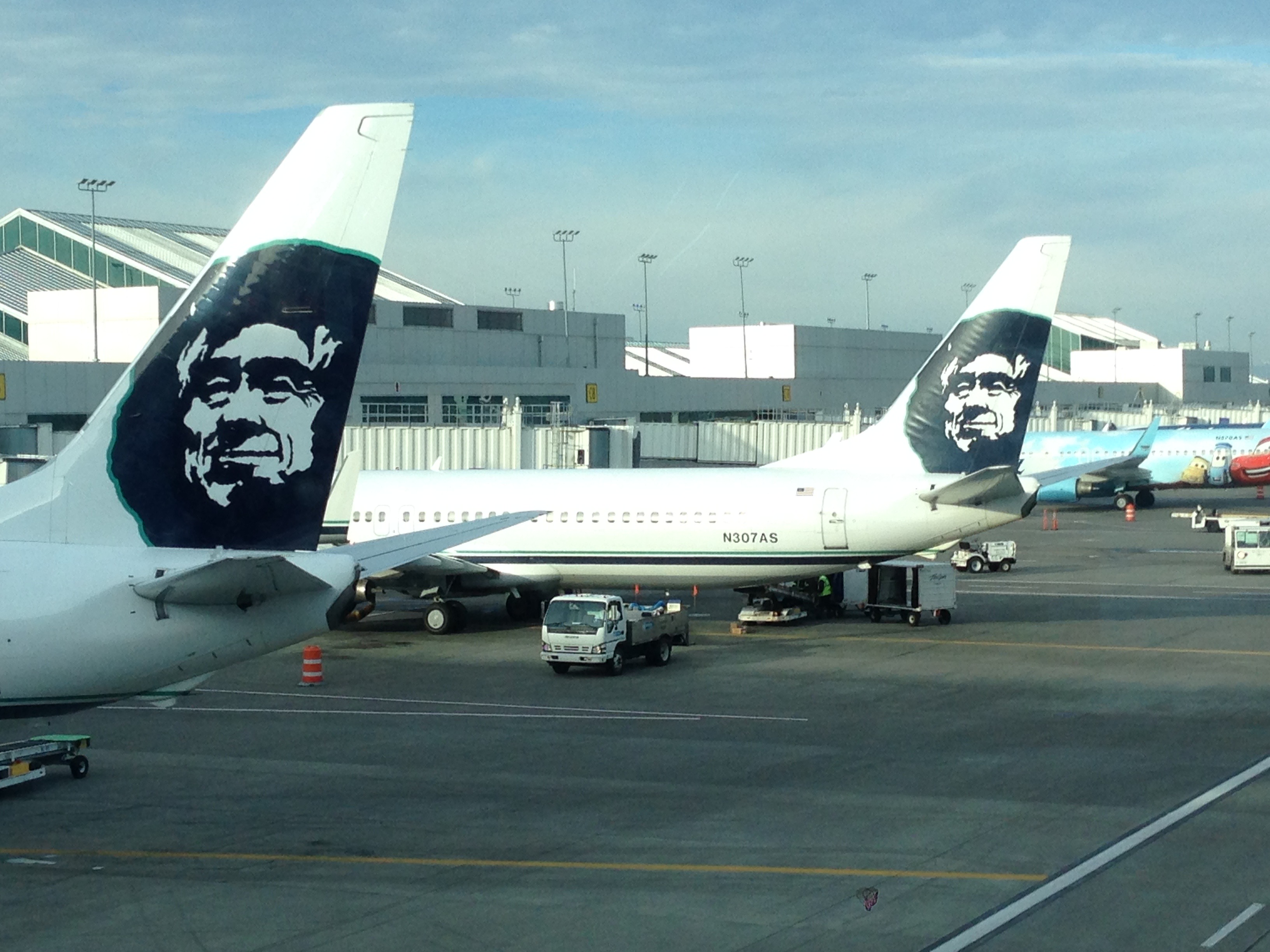
Get your travel plans in order. Flight, hotel, ground transportation. Know the location of your hotel or Airbnb in relation to the show site and the airport. In some cities, renting a car makes sense (Anaheim, maybe Vegas), in others you’re betting off taking ground transportation (SF, Chicago, Boston). If you’re planning to take mass transit, know where to get on and how to get to where you’re going. Mapping tools on smartphones are very good at giving these directions – so make sure your phone is charged, and even bring a small charger with you in case you can’t find an outlet on the fly. Travel as light as possible, but take all you need to function on the road – which is of course different (to a degree) than at home!
Double-check all show documents. Make sure you have the various bits of paper, emails, or whatever to get into the show. Bring contact numbers, not only of your home office (duh), but include a handful of contact numbers of show organizers.
Assemble a show plan. Most big shows have apps or online tools to allow you to create a plan. This allows you to add exhibitors and booth numbers to put together a list which makes it easier to find them all. Do this a week or so before the show. If there are educational sessions, create a plan for those you’ll be attending. When at these events, you’ll often have time to meet other attendees and do a little networking.
Depending on your show goals, make sure you have prepped your interaction with the various exhibitors. As an attendee, you’re likely going to be looking for products that you’re either going to sell or use, and perhaps recommend. Know what questions you’re going to ask, and be prepared to absorb information in whatever form is offered. Chances are exhibitors will have both electronic and paper sell sheets, for example, so you should be prepared to know how you’ll compile them. If an exhibitor wants to give you a paper sell sheet and you prefer digital, use an app such as Scanner Pro or Microsoft’s One Drive, which allows you to create PDFs of the sheets in an instant and upload them to your cloud account. Beyond that, as your company representative, you should be prepared to have the kinds of appropriate conversations to advance your agenda.
Plan some networking meetings, but be open to opportunities that will undoubtedly arise. Which means, don’t under-schedule but don’t over-schedule yourself!
Pace yourself. If you’re in an unfamiliar city, find a few moments if you can to look around. Try not to stay up too late to party with show-goers. Keep to familiar exercise routines as best you can. Wear comfortable clothes and shoes.
Finally, if it really is your first time to attend a large show in a far-away city as a company representative, follow the lead of your fellow employees who have been to the show before, and learn what you can.
And dammit, have some fun along the way! Not everybody is able to attend big shows on their company’s behalf, so consider yourself lucky!

