Sometimes you have to give yourself permission to do something. You might be surprised to know that it’s harder than it sounds. On this week’s TradeshowGuy Monday Morning Coffee podcast/vlog, I dig into the concept of giving yourself permission to do – or not to do – creative things in your life.
This week’s ONE GOOD THING: The Oregon Ducks takedown of the Utah Utes in the Pac-12 Championship Game Friday Night.
Back from Thanksgiving week, a nice few days away from work.
Sit down at the computer Monday morning.
Hundreds of emails piled up in my in-box. 785 to be precise. Lots of them with pitches on Black Friday and Cyber Monday. I mean, a ton of pitches.
Delete them all: delete, delete, delete. Don’t bother to
read them. They do nothing for me.
On a few, I decide to unsubscribe. But that takes longer.
And with most of the newsletters I unsubscribe from, I feel like they keep
sending me stuff. So what’s a guy to do?
It’s obvious that none of those emails stood out. They did nothing for me (I think I said that already). I’m not looking for any Black Friday or Cyber Monday deals, I have work to do. I’m not looking for Christmas presents for anyone, or to save money on things that I probably would not buy at any point. I’m busy and want to get these off of my to-do list as soon as possible, which means I’m scanning quickly and deleting almost everything once I determine it’s not a client, or a potential client.
I’m not their target market.
Email is one thing. Let’s move from email to other venues, such as retail, or online ads, or, hey, tradeshows!
When people walk by your retail store in a shopping mall, are you doing anything to stand out?
When you advertise online, what makes your ad stand out?
When people walk by your tradeshow booth, are you doing
anything to stand out in a crowd?
It’s easy to ignore and delete an email. It’s easy to walk by a retail store without stopping. It’s a piece of cake to ignore ads on your screen.
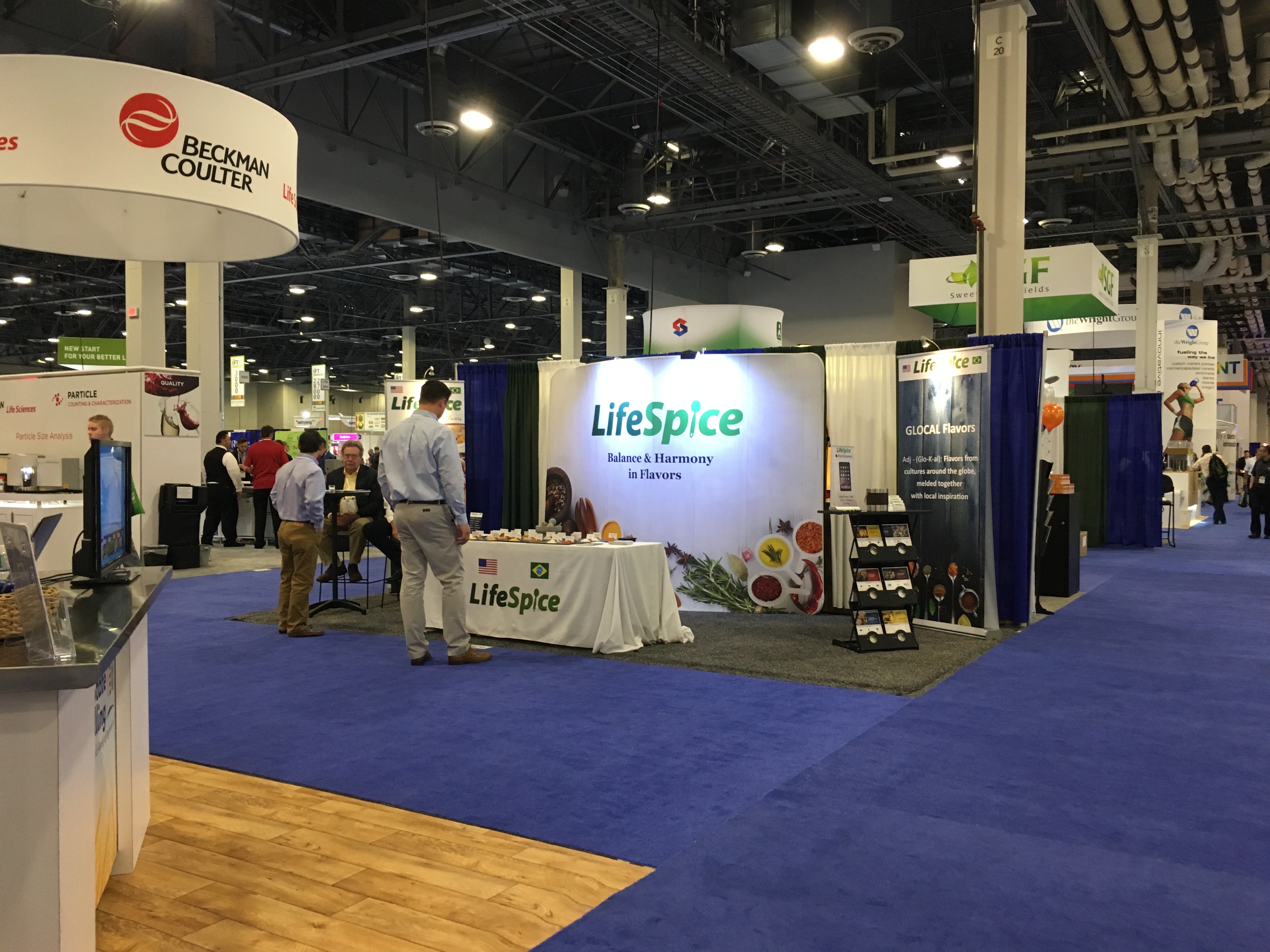
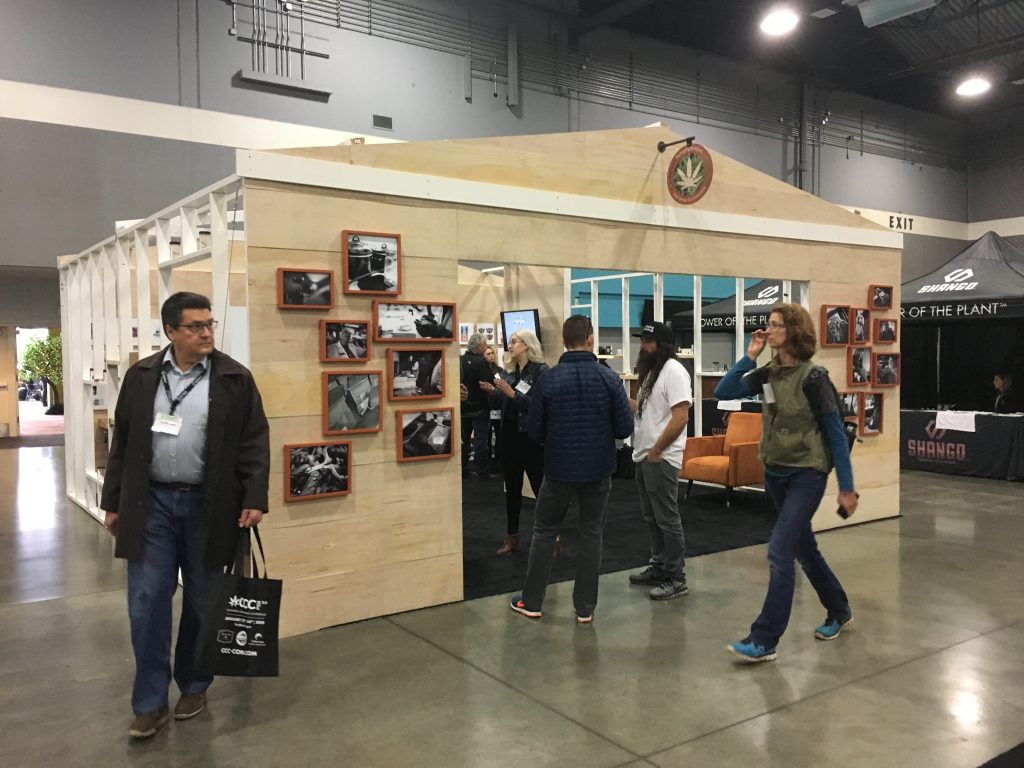
It’s pretty easy to walk by a tradeshow booth, too, unless something really outstanding is going on at the booth. Maybe it’s a unique booth. Maybe it’s a presentation that draws you in, entertains you and informs you of the company’s products and services. Maybe it’s a unique food sample. Could be anything.
Tradeshows have a distinct advantage over emails, and here’s
why: emails go out to people who have (supposedly) opted-in to a company’s
pitches. But over time, it’s not uncommon for that company – which is often
owned by another entity – to share that email address with another company, and
soon you’re getting pitches from (somewhat) related companies or products or
services. Has that happened to you? Happens all the time to me.
The difference that tradeshows have is that you have spent
handsomely to be at the show. But the show is targeted, the audience is
specialized. The people walking the show floor have also paid to be there, and
they are usually there for specific reasons, the main one being that they are
SHOPPING for something, and since you’re exhibiting there, chances are they’re
SHOPPING FOR SOMETHING YOU ARE SELLING.
Still, you have to stand out in a crowd. Tradeshows have a
lot of competition. Your biggest and best competitors are doing all they can to
make their best pitch to the same people you’re pitching. That’s the name of
the game.
Which means that whatever you do, it had better be good. It
had better be worth your time and money.
It had better be something that stands out in a crowd.
Yes, there are a lot of books about tradeshows. In fact, I wrote two of them. Many – actually, most – are good investments. A candid, experienced author can walk any exhibitor through the briar patch of tradeshows, which can often ensnare the inexperienced exhibitor. Actually, tradeshows can ensnare the experienced exhibitor, too. It happens all the time. Just check out the Plan B column in the monthly Exhibitor Magazine, which is full of real tales of exhibitors having to MacGuyver their way through the crazy, deadline-heavy world of tradeshow exhibiting.
Mel White, the VP Marketing/Business Development at Classic Exhibits, has always been a prolific and entertaining writer. His blog posts enliven the pages at Classic Exhibits.com, and his insight into tradeshow marketing comes from years of experience. (Full disclosure: Mel was instrumental in going through both of my books with a fine tooth comb to make them much better than where they started, and encouraging me at every step).
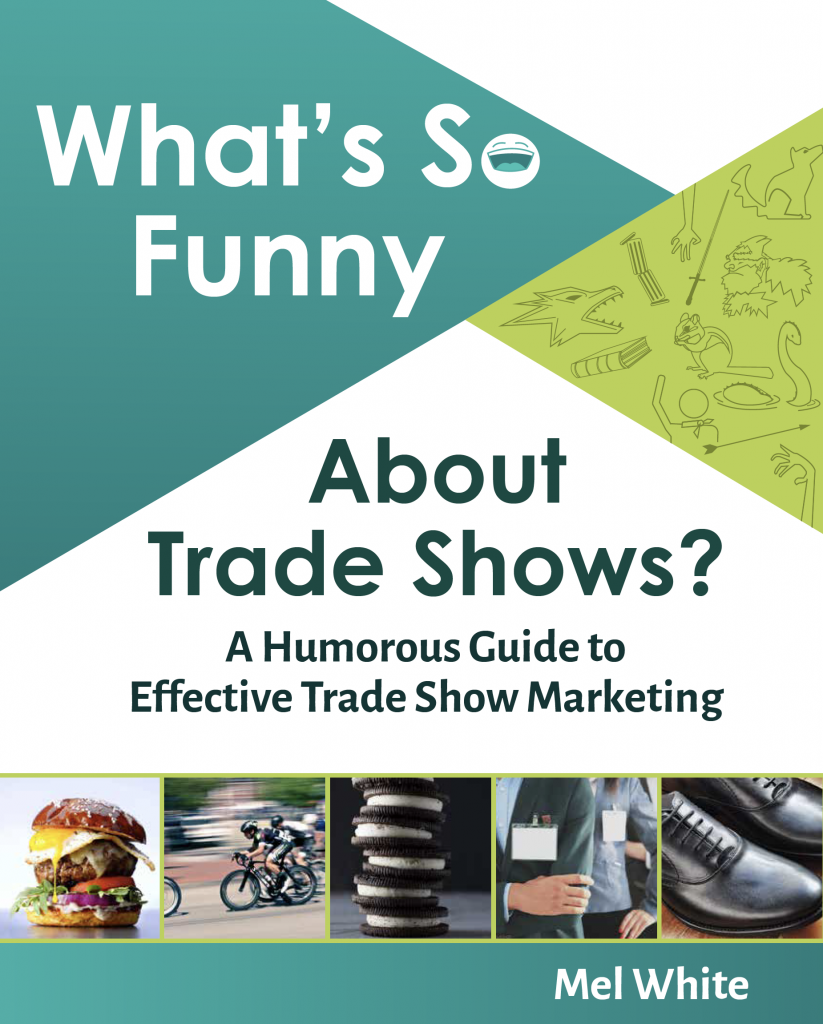
And now Mel has released a book available as both a Kindle download and as paperback, What’s So Funny About Trade Shows? A Humorous Guide to Effective Trade Show Marketing. Brilliantly illustrated by Meredith Lagerman, the book touches on a lot of the elements that make his blog posts entertaining and educational: zombies, Sasquatch, dumb stuff people do at tradeshows, why your booth staff kinda sucks and much more. And, of course it’s highly entertaining while making sure to impart great tips and tricks along the way.
As an introduction to tradeshow marketing, or as a refresher if you’ve been exhibiting for years, What’s So Funny About Trade Shows? is a great addition to any marketing library. Highly recommended!
When you put out a new podcast/vlog every week, frankly, it’s hard to keep up. Makes sense. That’s a lot of content to devour, and it’s easy to let things slip by.
But 2019 has given me a lot of great guests, and chances are you may have missed some of the really good ones (and there are many!). So here’s a random list of 10 guests I hosted on TradeshowGuy Monday Morning Coffee this year that you might have missed. And even if you didn’t miss them, they could be worth another listen:
January 8: BJ Enright of Tradeshow Logic discusses the groundbreaking NAB Show Cares program that looks to address hefty drayage and material handling fees at the National Association of Broadcasters show.
March 25: Dave Scott, long time Portland on-air radio fixture, gets into the podcast game with his Embrace the Change podcast.
May 13: Phil Gorski discusses 3D Virtual Tour Technology and how it can affect tradeshow marketers.
April 8: Tom Beardof Eco-Systems Sustainable Displays talks sustainability in the exhibit world. This vlog/podcast made more timely by the recent announcement that Classic Exhibits and Eco-Systems are merging.
June 17: Danny Orleans. Magic on the tradeshow floor is always an attractor. Danny, Chief Magic Operator at Corporate Magic Ltd talks about how he works magic into a presentation.
June 3: David Newman of Do It Marketing talks, as you might expect, marketing. I have to admit that I like to read his emails, which come about once a day. Really short, but a good mix of very usable info and pitches.
July 22: Howard Berg. Fascinating, fast-paced learning. Howard was a gas.
July 15: Ken Newman of Magnet Productions. Ken travels the world doing his professional presentations for tradeshow clients. He is also a big presence in the Blanket the Homeless effort in the SF Bay area, and talks about both in this fun interview.
September 16: Jay Gilbert, a long time music industry executive has had his own company for years now. And while this is not much related to the tradeshow world, it’s a fascinating look at what it takes in the world of music promotion.
September 23: Laura Allen, The Pitch Girl, helps distill the essence of your pitch down to a simply formula. Very useful in so many situations!
There are many more of course – just search for TradeshowGuy Monday Morning Coffee – or browse the archives at your leisure.
It’s said, by people in the know, that everyone should have a platform. What exactly is a platform? And do you need one? Do you need more than one? In this week’s TradeshowGuy Monday Morning Coffee, I take a short look at platforms:
This week’s ONE GOOD THING: The Yahoo podcast Skullduggery.
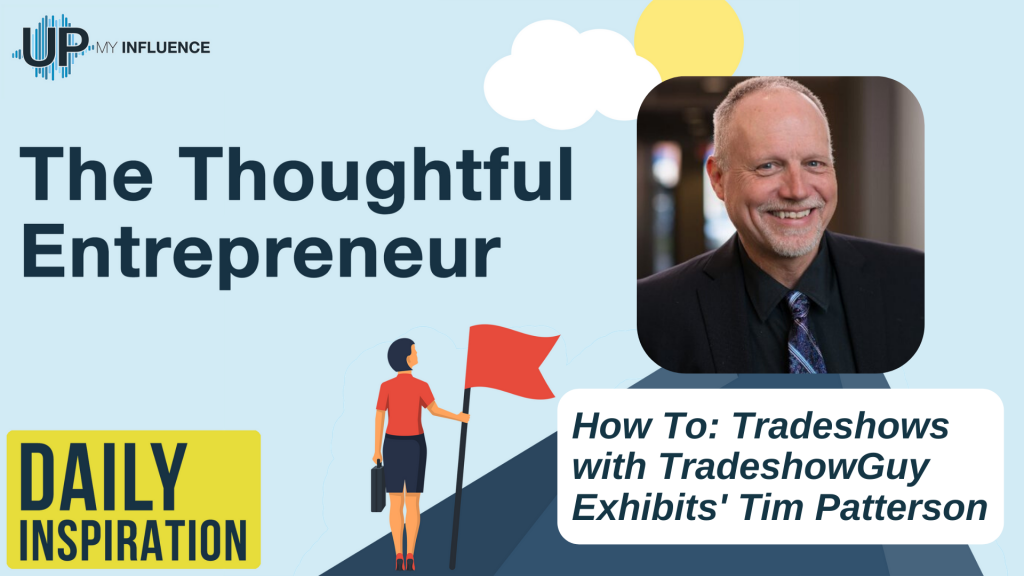
Not too long ago, Josh Elledge of Up My Influence reached out to me and asked if I’d be a guest on The Thoughtful Entrepreneur podcast. Sure, why not? Sounds like fun!
Take a listen:
Josh posted The Thoughtful Entrepreneur podcast complete with transcript here. Check out the main site here: Up My Influence.
Many people look to a yearly tradeshow as a single event, a
one-time experience where everything is on the line. In a sense, it’s hard to
argue against that viewpoint. So much is on the line. The booth rental space is
expensive. It’s not cheap to get your exhibit there, or the travel costs for
your booth staff.
And yes, there are a lot of moving parts. Making sure the
new product samples are ready, appointments are set ahead of time, the booth
staff is up to speed (or professionally trained), the lead generation and information-capture
system is in place. And so on and so on.
It can get overwhelming. Which makes it easy to let a lot of
things slip through the cracks. And when that happens, it’s easy to beat yourself
up for not getting the results you wished for.
Let’s take another approach, especially if you’re a smaller company with limited resources and a limited number of people that can attend the show on behalf of the company.
Learn to do just a few things really, really well!
Let’s say you have as many as 14 things that are on your list, things that are important that they get done. But because you don’t have enough people to do all of them effectively, pick just a few, maybe two or three or four things and focus on those. Give a little attention to the remaining things but pick a few and make sure you do a bang-up job on them.
Maybe you choose to focus on one in-booth activity and the
follow-up details on those interested in your products or services. Let
everything else come in after that. Yes, spend a little time, but make sure you
do those two main things as best as you can, every single time. If you focus on
those two things, you can create an in-booth activity that succeeds more than
you ever hoped for. And your attention to detail on the follow up, such as
when/where/who/how/what will make sure that each and every post-show phone call
or email or in-person follow up is exactly what the prospect expected. Wouldn’t
that be something? Wouldn’t your booth staff like that? How about your sales
staff?
And if you do more than one big show a year, carry that
concentration on just a few things to each of the other smaller shows, and then
measure your results. Once you have figured out how to do those few things with
excellence, add another item or two, such as pre-show outreach or marketing or
building a tradeshow-specific landing page or checking out the competition.
Doesn’t matter.
Just don’t try to do it all at once, especially if your company doesn’t have the bandwidth. Focus on a few things and grow from there.
What are your blind spots? Well, sometimes it’s hard to identify blind spots because, well, frankly, you’re blind to them! Often you need help to learn your blind spots. Let’s take a look at blind spots on this week’s TradeshowGuy Monday Morning Coffee, along with a tradeshow tip of the week and this week’s One Good Thing:
This is a guest post by Ben Llewellyn of Ultimate Banners.
There’s no shortage of benefits that come with attending an exhibition, which is why it is something that a lot of event promoters and businesses do. However, that’s not to say that a successful exhibition is guaranteed without a level of planning and hard work. There are certain things that everyone should do before attending an exhibition, many of which first time event promoters don’t realise.
Things Everyone Should Do Before Their First Exhibition
There’s a lot to think about before attending your first exhibition, which can make the entire lead up stressful. It’s never a case of turning up and hoping for the best because organizing and planning is key. Here are ten things everyone should do before going to their first industry exhibition.
1. Invest in Branded Freebies – A lot of businesses make the mistake of trying to keep the cost of attending an exhibition as low as possible and though this does make sense, it is often beneficial to spend a little. After all, spending a little can often lead to you making more in the long run. Investing in branded freebies is a great way to impress potential customers and it reflects well on the business as a whole, as branded freebies are usually associated with successful brands. Giving someone a branded freebie, such as a pen or portable charger, is also an effective way to boost brand awareness. Once the event has finished, people are still going to remember who you are and the business name will be seen by more people.
2. Set Clear Goals – Before attending any exhibition, you should be sure on what your business goals are for the day. Think about whether you are aiming to sell a product, whether you are hoping to network with other businesses or whether you are simply trying to get the brand name out there. This is especially important before attending your first exhibition, as the entire day is likely to be busy and having a plan can keep you organized and on task. Make sure that your goals are realistic and that everyone is working towards the same thing.
3. Research Competitors – It’s hugely important to stand out at an exhibition, but this can be difficult when you have an abundance of competitors to contend with. Looking at competitors and seeing what they are doing is a good way to find out what works, what doesn’t and what you could do differently. Though you will want to stand out and should avoid copying them, you should always work to industry standards and showcase yourself in a similar way. If you are new to a specific industry, researching competitors is a great way to know what’s expected of you.
4. Prepare and Plan Their Exhibition Space – Attending an exhibition can be stressful, especially when you are doing so for the first time. However, planning ahead can help massively. Consider what you will need for your exhibition space and allow adequate time to source everything before the big day. You will also want to make sure you have reserved the space, allowed enough time to set everything up and have advertising materials printed ahead of time.
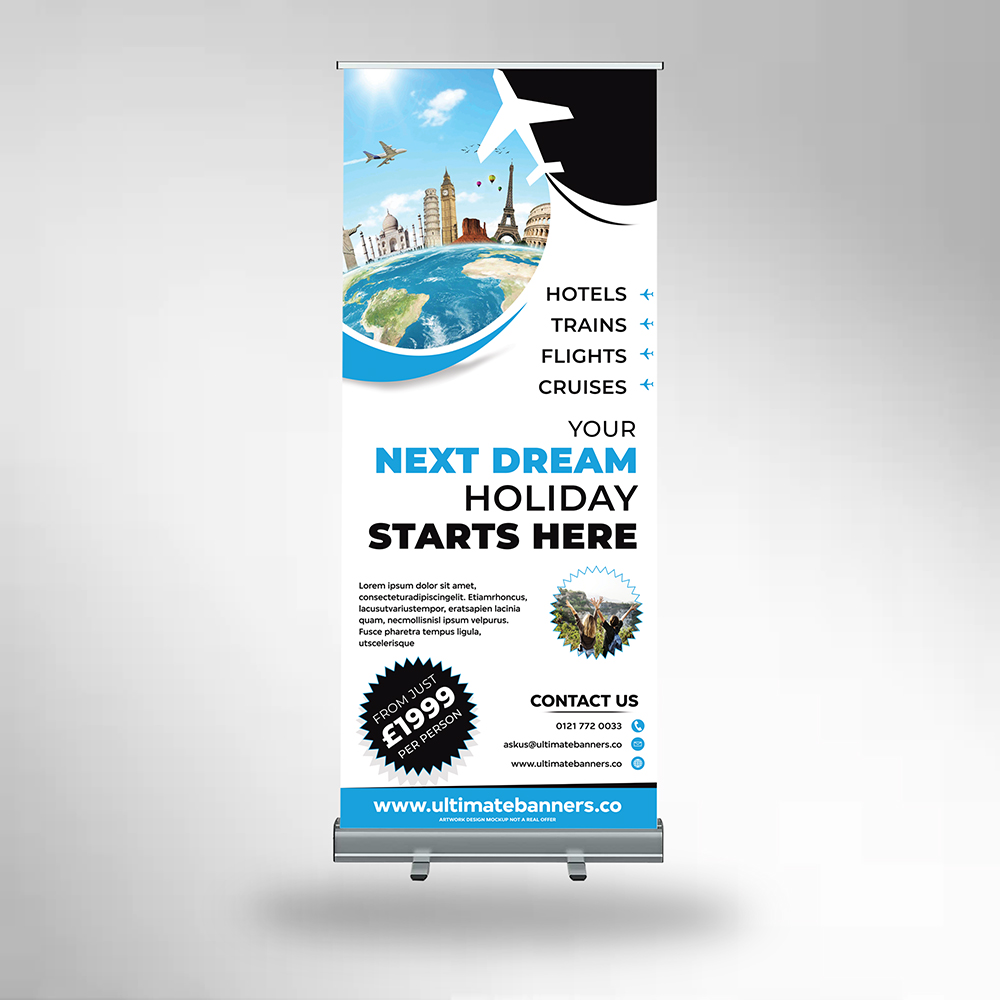
5. Design Fantastic Artwork – With so many competitors at an exhibition, it’s important that you make a statement and stand out. There are a few different ways to do this, but starting with designing fantastic artwork is key. It’s important for banners and advertising materials to stand out from the rest, which is why standard or generic banner artwork isn’t good enough. There’s a lot of help out there and pull up banners ten signs they are working | ultimatebanners.co has a lot of advice on creating designs that work. Artwork should grab attention, create intrigue and provide information.
6. Allow Enough Time for Banner Printing – The turnaround for banner printed is extremely quick, which means that last minute orders aren’t usually a problem. However, it’s always best to avoid leaving it to the last minute if possible. When you leave banner printing to the last minute, you’re not leaving any room for error or delays. This could mean that you are left without the banner needed for an exhibition and no way to solve the problem. Reduce the stress of your banner printing by organising everything the moment you have the artwork. It’s better to be ready too early, than too late.
7. Spread the Word About Attendance – Once you know that you are attending an exhibition and have confirmed everything, spread the word and let everyone know. You could have existing customers attending the same event, in which case they can look out for you. There could be people there who have heard about the business and want to know more, in which case an exhibition is a great opportunity for them to do so. It’s also helpful for other businesses to know that you will be there, as they may be interested in networking.
8. Think About First Impressions – There is no doubt going to be a lot of people attending any exhibition, so it’s important to think about first impressions before going as making a good first impression is key. This includes ensuring that your display looks great, that staff know what to say to passersby and that you are ready to answer any complicated questions. You should aim to appear friendly, professional and knowledgeable about the industry. Though an individual may not take you up on a service or product then and there, you will want them to have a position opinion of you for future reference.
9. Get Staff On Board – A lot of hard work and energy goes into attending an exhibition, which is why getting other staff members on board is key. Not only does this allow for work to be delegated, but it reduces stress throughout the day. Rather than one or two people attempting to do everything, a large team provides more free time for networking and building a relationship with potential customers.
Ben Llewellyn is co-founder of Ultimate Banners in Birmingham (United Kingdom). Ben loves cycling and everything tech. He works as a designer and developer working with clients in the exhibition advertising and digital services sector. Find Ben on LinkedIn.
It’s a common refrain: tradeshows don’t work for me. They’re too expensive. I don’t get enough leads.
And unfortunately, it’s true for too many exhibitors. It’s easy to look at the exhibitor list of a show year after year and point to companies that give it a try once or twice never to return.
Look at the flip side, though: there are thousands of exhibitors that go back to the same few shows year after year, take home a stack of leads, create more business and firmly believe that tradeshows are the most powerful marketing tool they have at hand.
I know that’s true because I work with those kinds of exhibitors.
Now, not every single exhibitor I’ve worked with is successful. Some have
fallen off the wagon along the way. Others have shifted their marketing
efforts. Some have taken a step back from tradeshows and reassessed their
program, but eventually make it back bigger and better.
What’s the difference?
We could point to any number of things: their booth space is
lousy and doesn’t have enough traffic; their booth is small and nondescript;
their staff is bored (and boring) and so on. But it all boils down to just two
things:
Having a good plan and being committed to that plan.
Plans are great. Everyone should have one. But what about
having a bad plan? Bad plans do certainly exist. And having a bad plan is not a
good thing.
Back to that “good plan” and “being committed” to the plan. A
good plan can come from knowing your goals, your budget, your people; knowing
the show and your competitors, and knowing what you really want out of the
show. That good plan can be enhanced by having a well-trained booth staff,
having a standout exhibit and having the most popular products in the show. But
those last three things, the staff, exhibit and best products, are not
completely necessary to have a good result. They’re important, sure, but they’re
more like frosting on the cake. You gotta build a good cake first.
Answer these questions:
What do you want out of the show? In other words, why are you there?
How are you going to know if you got what you wanted? How are you going to measure your results?
What are the steps you need to take to get what you want? What will it take to get exactly what you want?
Sometimes it takes a little brainstorming and communication
with the various members of the team. Sometimes it means knowing what worked at
your last show and knowing what didn’t work. Be honest. Sometimes you have to
be brutally honest to say that having that crazy mascot uniform didn’t really
work, or that having the general manager do the in-booth presentations didn’t
draw that many people. There are lots of reasons why things don’t work and
assessing and understanding those ideas will help you move forward.
Another way to look at it is to ask yourself: When I get
back in the office the morning after the show and say, Man that was a great
show! What does that mean to you?
It’s not the same for every company.
Once you’ve defined the main goal of your tradeshow appearance,
break it up into pieces. If you want 300 leads over a three-day show, you’ll
need 100 a day. If the show is open from 10 am to 5 pm, that’s 8 hours. You’ll
need to average 12.5 leads per hour, or one about every five minutes. If you’re
doing demos, for example, and you know that for every demo you do there are 15
people on average standing there, and three of them are good leads, that means
you’ll need to do a demo about four times an hour. If, on the other hand, you
get six leads for every demo, that means you only need two demos an hour. Or,
you could try to double your projected leads by doing demos four times and
hour.
Run the numbers. If you want to give away 1,000 product samples
or sign up 200 people for lengthier demos in the next three months, you know
what that will break down to by just doing the math.
If your goals are not so straightforward, you can still look at it from an angle that will help. Maybe you want to make solid connections with only three distributors that, if you can get them to carry your products, would double your company revenue in the next two years, figure out what organizations are the best and most likely candidates. Make whatever effort you need to set and confirm appointments at the show. Yes, tradeshow success is all in the numbers, and it’s all in the ability to show off your products and make sales. So do the math, do the outreach. But don’t forget that we’re all humans – you and your prospects – and there’s often not a straight line to success. Make allowances for that, learn from your missteps and do better the next time. That’s what it’s all about.