Best tradeshow marketing tips and case studies. Call 800-654-6946.

Blog

8 Essential Tradeshow Metrics to Track

Tradeshow Success is built on a lot of moving parts, and it’s often hard to know exactly how successful the show is unless you track the details. So let’s dive in a little and see what 8 essential tradeshow metrics mean the most to your overall success.

  • Booth visitors: knowing the overall number of booth visitors, or at least a valid estimate, can give you valuable information, especially in a year-to-year comparison at the same show, and from show-to-show. Even though when you measure show-to-show it’s a bit of an apples to oranges comparison, it does give you intel to help judge the show’s effectiveness.
  • Leads generated: one of the more straight-forward metrics you can track, but it’s important to break them down into at least thre
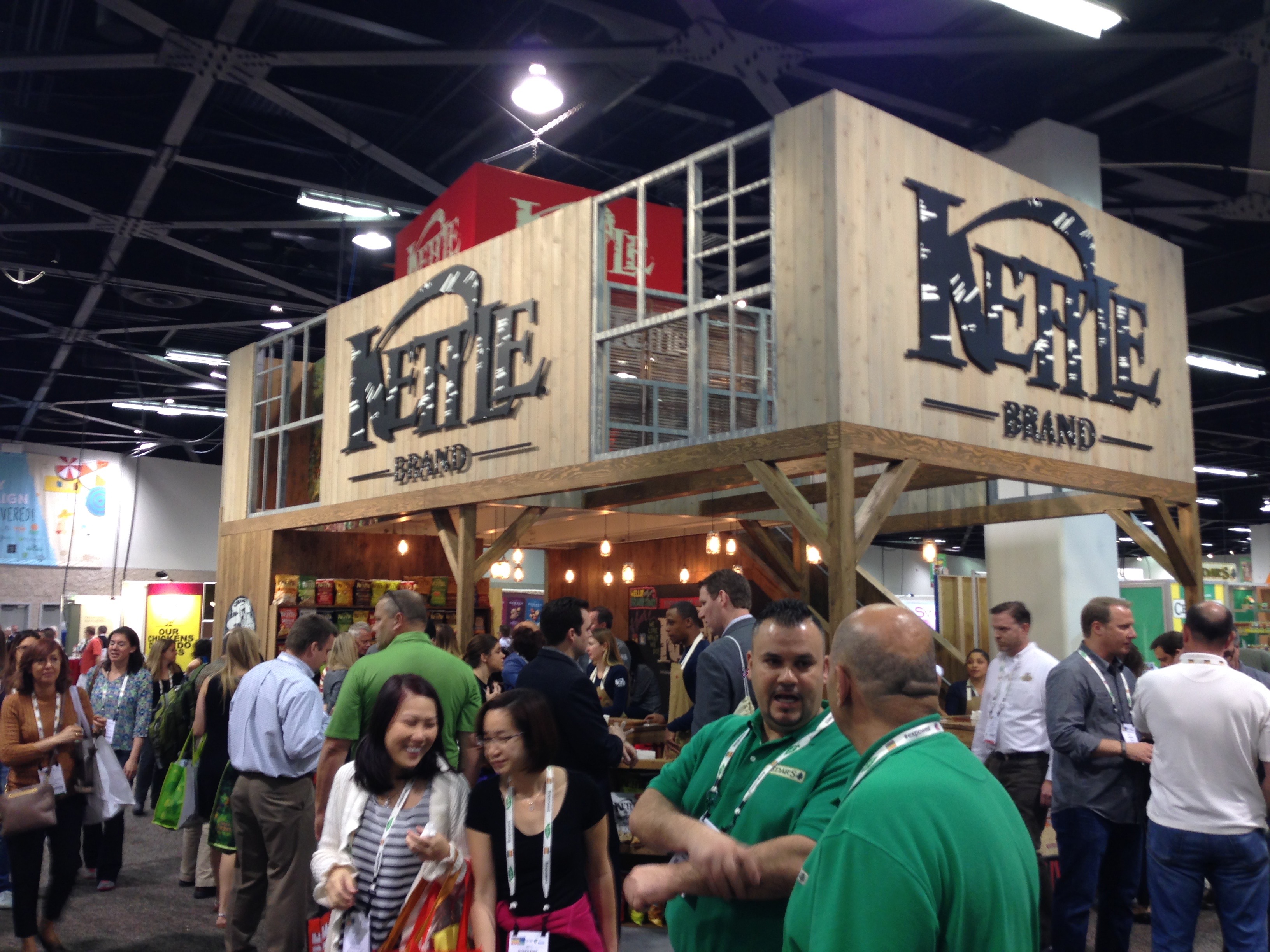
    IMG_5571

    e levels: hot, warm and cool. This will give the sales team the information to correctly follow up on the hot ones right away and the warm and cool ones later.

  • Sales as a result of the leads: track how many new customers came out of the show in the first three months, six months and year (depending on the type of product or service you offer). Track the overall sales amount. It’s harder to track B2B sales from a tradeshow simply because you might not get a new customer until a year or more has passed.
  • New leads: a slight differentiation from all leads, this breaks out the brand new potential clients from those that you’ve had some sort of contact before. Valuable information, indeed.
  • New customers: same with customers – how many news ones did you get as a result of a show vs. how many are repeat customers that happened to be at the show and buy something because of the show.
  • Budget: actual vs. estimated. Keeping track of the investment is important; knowing how much over or under budget is critical.
  • Cost per lead: divide the overall cost of the show by the number of leads gathered to get a cost per lead.
  • Return on Investment: divide the overall net profit you’ve gained over three, six, twelve months by the net profit from the show (gross profit minus the cost of attending the show).

There are other numbers you can track, but if you do nothing but track these metrics you’ll have a lot more insight into the kind of success your tradeshow marketing program is giving you.

7 Questions You’ll Never Ask Your Exhibit House [Video]

Choosing an exhibit contractor can be a daunting task. Even though your current exhibit house might be competent, are they doing all they can to make your new exhibit experience as good as it can be? Often it comes down to knowing which questions to ask.

In this short video with Mel White of Classic Exhibits, our main exhibit manufacturer, we examine those questions that you should be asking any potential exhibit house prior to forking over large sums of money to them:

Still trying to figure out what exhibit fits your needs? Check out our Exhibit Design Search.

Reinvent Your Exhibit Marketing Plan [Webinar Replay]

Marlys Arnold of ImageSpecialist is an exhibit marketing strategist who recently gave a webinar at Handshake.com titled “Reinvent Your Exhibit Marketing Plan.”

It’s a great look at all of the moving parts of tradeshow marketing, and is well worth your time. So stop wasting time, energy and money and get your marketing plan together! Check out the video here.

Screenshot 2016-06-30 12.47.54

Tradeshow Exhibit Installation Dismantle (I&D)

If your tradeshow booth is so big you can’t set it up yourself, you’ll need to hire a crew for installation/dismantle, commonly known as I&D in the industry. If you have an island booth, you’re much better off leaving the set up to the professionals.

Because the booth won’t listen when you yell at it, “Go on, get into place, you booth you!” Sorry, maybe on Harry Potter, but not in real life.

tradeshow exhibit installation dismantle

If you are going to set up your own inline or modular booth, make sure you arrive early at the event. This becomes much easier if you choose a manufacturer that designs products to be lightweight and easy to set up.

Generally you have a couple of choices for hiring: using the show services or hiring an exhibitor approved contractor that is familiar with local rules.

Some of the items that come up as you’re planning your I&D include making sure that the contractor is familiar with local rules where you’ll be exhibiting, making sure they have an accurate rendering (or booth set-up instructions) so they can give you an accurate estimate for installation, and any special equipment you might need for installation, such as a Genie lift, long ladders, electrical equipment and so on. If your contractor needs to buy anything you’ll need to know that upfront so that you can find yard ramps for sale or buy any other equipment needed.

Knowing some of the terms of I&D is helpful as you navigate your coordination with an I&D group:

  • Advance rates: you can save money by booking the exhibit space ahead of time.
  • Advance receiving: with hundreds or thousands of exhibitors all shipping several crates to a show, there is usually a advanced receiving warehouse that gives exhibitors a window to ship booths and have them stored until it’s show time.
  • CIF: if your shipping contract lists a CIF, this simply means that the price is inclusive of cost, insurance and freight.
  • Craftsperson: a skilled worker or laborer
  • Dead time: time when your hired workers are sitting, usually getting paid a lot, while there is nothing to do because of factors beyond their control
  • EAC: Exhibitor Approved Contractor – any company other than the official designated contractor. These may be companies that not only do the booth I&D, they may be involved in AV set-up, photography, plant rental and so on.
  • Four hour call: minimum time that a union laborer must be paid for work performed on the show floor for an exhibitor.
  • Straight Time (ST): work performed on the show floor during normal business hours
  • Overtime (OT): work performed on the show floor outside normal business house which usually included holidays and weekends

Many clients we work with at TradeshowGuy Exhibits are in the process of moving from the comfort zone of setting up an inline booth to outside the comfort zone of working with an I&D company for the setup of an island booth. Believe me, it can be a challenge if you’ve never done it before. But having seen many of them go through it, it’s also a great growing experience for the company as their booth presence on the tradeshow floor increases and they make a bigger impact on their market.

Bigger is often better – but it takes more effort and coordination to make it happen.

How to Choose a Custom Tradeshow Exhibit House [Video]

When it is time for you to choose a custom tradeshow exhibit house with a designer and fabricator, you are facing a daunting choice. Especially if you’re new to the game.

So we put this brief video together to more closely examine the various ways to choose an exhibit house.

In this video we look at how you might communicate with your exhibit house, what goes into design, the consultant’s depth of experience and strategic partner resources if needed. It all boils down to a couple of things: what you need (and can they handle it) and how well you get along with the company’s reps.

Take a look:

Need to get a quote for an upcoming project? Please go here and fill out the form.

Tradeshow Follow Up

The tradeshow is over. You’ve made sure the booth is packed in the crates and will be picked up by the shipping company. You’ve gathered the leads and have them in a safe place for transport back to the sales team. You’re ready to relax on the airplane and order up a well-deserved adult beverage.

Whoa! Not so fast! You’re not really done, are you?

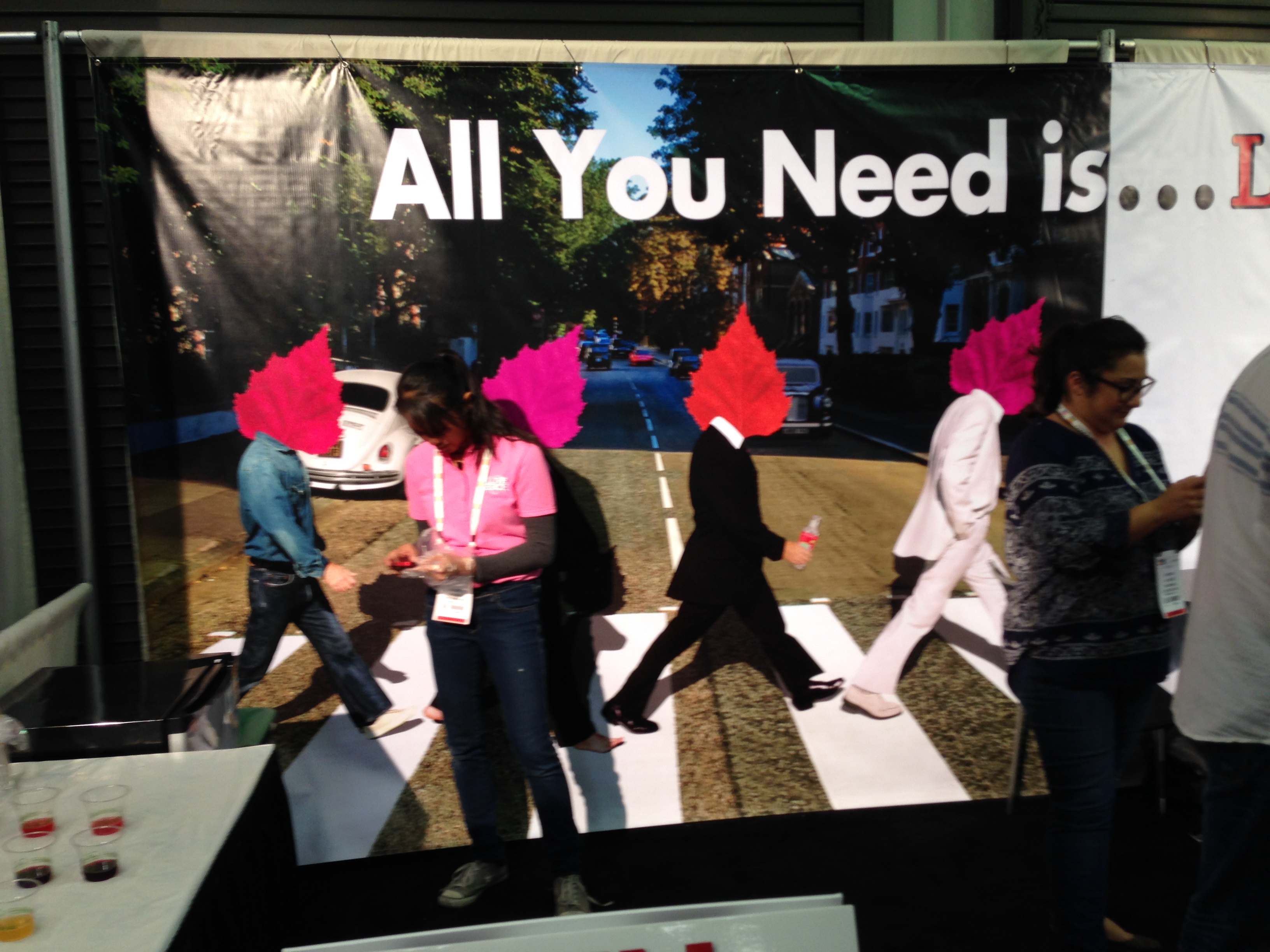
IMG_5440

While it’s great tying up loose ends at the show and getting off the floor in one piece, it’s just the beginning to your follow up.

First off, thank the folks that helped out. This ranges from the booth staff to the lead person on the set-up crew to the pre-show marketing team that helped out prior to the show. Send out a thank you card or an email (cards make more of an impression!) or thank them in person – just be sure you do it.

Next, go over the leads with the crew that gathered them. This may take place within a few days of the booth staff returning to the office. This confirms the follow up method, the value of the lead (cool, warm, hot), and when the follow up needs to commence. Then deliver that information to the sales team.

Now, go over any feedback or survey results you may have as a result of the show. Even if you don’t have actual in-booth survey results, check any feedback you may have gotten through social media posts during the show. Take screenshots and file them in your show folder. Make notes on what people liked and what they didn’t.

Depending on who’s in charge, it’s also time to document all of the costs associated with the event: travel, salaries, booth rental/purchase/upgrade/I&D, booth space rental and associated costs. Add in the cost of samples and giveaways. Now that you have this figure, when another six months have passed you can get sales figures that came as the result of the show appearance and determine the return on investment. Then do it a year later to see what’s changed.

Record-keeping is one of the best ways to track trends in your tradeshow marketing, so keep detailed accounts of as much as you’re able.

Did you and your team take photos, create videos and upload them to social media sites? Document all of the photos uploaded, keep copies of booth photos (especially any misfit graphics or booth pieces so you can get it repaired before the next show) and videos, client testimonials and associated documents.

Finally, look ahead. Do whatever planning is necessary for the next show, whether it’s a small regional or local show or if it’s the next big national expo. Make note of graphic updates that might be important, booth fixes, and prepare for whatever promotions might be coming down the pike.


Click here to grab my Tradeshow Follow-up Checklist

14 Proven Steps to Tradeshow Success [Webinar Replay]

Last fall I put out the book “Tradeshow Success: 14 Proven Steps to Take Your Tradeshow Marketing to the Next Level.” I’ve done several promotions around it, given away a bunch of copies, and use it as my main calling card.

But I’ve never done a webinar on the book. Until now. Check it out:

You can pick up a digital copy of the book at TradeshowSuccessBook.com. Or get your own copy here.

Tradeshows: Extroverts Wanted

Tradeshows aren’t a good place for introverts.

Of course, it depends on what your task is. But if you’re part of an exhibiting team that’s working to promote products and services and generate sales leads, being somewhat of an extrovert is almost required.

Extro-Introvert

Face it: you have to smile, greet people with a handshake or a question, and be friendly. All of those things are important. And if you’re not up to the task, maybe you shouldn’t be there. If you’re the company boss or owner and are an introvert, it probably makes more sense to hire someone to represent you. If you’re a little quirky, with an odd personality and somewhat of an introvert, perhaps your personality is an attraction and people will put up that the quirks to get at the real you.

Extroverts on the other hand are outgoing, lively, engaging, showy and like to draw attention to themselves. If that kind of personality can be channeled into promoting a company’s products and not themselves, they can be a good addition to the staff. In fact, they might be the best kinds of folks to have around. Extroverts love the spotlight and love talking.

The upside of introverts, though, is that may often be more detail oriented and better at listening and communication.

The downside of extroverts is that they’re often tend to not have the attention span to take care of paperwork or write lengthy notes about contacts when necessary.

No doubt you know introverts and extroverts. And maybe you’re one or the other, but likely you’ve got a little of both in you but tend to lean one way or the other.

I’m more of an introvert and am comfortable with my head down. But when showtime comes and I have to put it out there, I’m capable of at least pretending to be extroverted and outgoing. It’s not a big stretch, but it works. And it gets the job done.

So when you’re choosing a booth staff, a general rule of thumb would be to lean towards the outgoing and friendly and stay away from the shy introverts.

They’re just more approachable and that counts for plenty in the fast-paced chaos of the tradeshow floor.

Make Yourself Memorable! [Webinar replay]

Tradeshow Sales Trainer Andy Saks of Spark Presentations spent 30 minutes with me this week to discuss engagement at tradeshows. We called the webinar “Make Yourself Memorable: How to Attract and Qualify Tradeshow Attendees.” Andy is great at showing how important it is (and offers a handful of tips) to properly engage folks at tradeshows so you don’t miss out on opportunities.

Check it out:

6 Productivity Hacks for Trade Show Exhibitors

This is a guest article by Blair Pettrey of MeetingPlay.

1.) Do One Task at a Time!

You have heard of multitasking, but have you heard of solo-tasking? Instead of trying to accomplish multiple items at once, put your full focus and attention into accomplishing one task at a time. Research shows that solo-tasking can not only result in better task efficiency and results, it can also help you get more done! (Bonus, it can even make you happier!)

2.) Prepare in Advance

Odds are, you have an annual calendar in your office, showing all of your trade shows for the year. But do you have an individual calendar for every single trade show? Having an annual calendar for each of your trade shows – with what exactly needs to be done and by what date, helps keep you on track. An easy (and economical way to do this?
Use Google calendar – set up each trade show to be a specific color- and set up every single task that you need to do for each trade show, by when, with reminders and alerts (which can also be set up in Google calendar!)

IMG_9975

3.) Remove the Distractions

We fail to realize how easily distracted we are – until it is too late. Whether it’s the frequent notifications buzzing from your phone, the email notices showing up on your monitor, or the latest news update blaring through your television. Turn off the interruptions and focus on the task (that solo task!) at hand. You will be far more efficient– and accomplish more by being able to give your full attention.

4.) Track Your Time

If you know you only have 30 minutes to type up your next proposal, or only 15 minutes to send out an email to a potential sponsor for your trade show, commit to that amount of time and get the endeavor done. A great “pressure” is to know if your laptop only has 30 minutes of battery left, it is a perfect time to pump out that 30 minute task

5.) Utilize Chrome Extensions

If you know that you are easily distracted with growing vegetables on Farmville, or by browsing your favorite fashionista dog page on Facebook – Google Chrome (and Firefox) have multiple extensions you can install to restrict the amount of time you can spend on pages you pre-define.
Our favorite? StayFocused (for Google Chrome).

6.) Consider Outsourcing

Whether you choose Upwork or Elance or Fiverr there are several websites that have professionals who can do exactly what you are in need of – whether it is producing a video, publishing a blog post, or delivering an automated report – these freelance professionals can do it all. Just make sure you are employing someone whose first language is yours. Even though your primary language may cost a bit more – the peace of mind of knowing someone says (for example) “Trade Show Booth Design” vs. “Trade Show Designs Booths” is worth the price difference, all while still saving you critical time, at a small fraction of the cost of your worth.

Conclusion:

By implementing these tips and suggestions trade show professionals can maximize their time, accomplish more tasks, and open up time and opportunity for further success!


Author: Blair Pettrey is the Senior Marketing Manager at MeetingPlay – a mobile event app. With over 10 years of experience in all areas of online marketing, she is committed to ‘paying it forward’ for trade show and event professionals through resourceful marketing tips and content.

© Copyright 2016 | Oregon Blue Rock, LLC
Tradeshow Guy Blog by Tim Patterson

Call 800-654-6946 for Prompt Service
Copyrighted.com Registered & Protected <br />
QA4E-AZFW-VWIR-5NYJ