Best tradeshow marketing tips and case studies. Call 800-654-6946.

Branding

5 Things to Do in January Before Your Tradeshow Schedule Really Takes Off

Let’s assume that your company does a fair amount of tradeshow marketing. Maybe a dozen shows, including two or three large national shows and smaller, regional or more-focused shows where your product fits in.

Your first show of the new year is still a couple of months away, so you’re probably thinking you have time to make sure all is right.

And you’re probably on the right track.
But it might be worthwhile to go over your checklist for the new year one last time.

Let’s assume that you had decent results last year but would like to improve on those results in 2020.

Here are a number of areas to look at and things to consider as you plan your show schedule.

Know Your ROI

Return on Investment is critical for tradeshow success. Just because you’re getting sales doesn’t mean you’re making money. Calculating your ROI is, in theory, straightforward enough. You’ll need to know a few things, such as how much it cost you to exhibit at a specific show. Add those numbers up, including travel, booth space, any capital investments such as a new exhibit, any samples you handed out, drayage, shipping – all of it – until you get a final number.

Now, gather all the leads from that show, check with sales to learn how much profit the company actually netted from those leads. Then do the math.

Here’s a link to a blog post on calculating ROI and ROO. And if you’d like to download an ROI calculation spreadsheet courtesy of Handshake, click here.

Expand Your Goals Beyond ROI to Other Things

Beyond your goals of making money, see what else you can do to make your tradeshow investment worthwhile. Drive traffic to your website or social media platforms, track the number of booth visitors, networking with industry colleagues, launching new products and more – these are all valid and valuable things to track.

Plan Some Surveys

A tradeshow is a great place to do a little casual market research. Set up a survey on a tablet, offer a prize to people that answer questions, and see what useful information you get.

Train Your Staff

Really, when was the last time you paid a professional to come in and train your booth staff? The proof is in the pudding. A well-trained booth staff is one of the most important things you can do to increase your level of success.

Hire a Professional Presenter

Perhaps not every tradeshow booth needs a presenter, but if you’re going to get serious about showing off a complicated product, having a professional presenter that knows how to draw a crowd and distill the critical bits and pieces of your product or service in invaluable. And worth every penny.

Beyond these ideas, it always helps to keep your staff informed on plans as appropriate. If your staff knows what you’re planning and what the company’s goals are, and why, they will be much more likely to have buy-in to the company’s success.

Make it a great 2020!
How do You Stand Out in a Crowd?

Back from Thanksgiving week, a nice few days away from work. Sit down at the computer Monday morning.

Hundreds of emails piled up in my in-box. 785 to be precise. Lots of them with pitches on Black Friday and Cyber Monday. I mean, a ton of pitches.

Delete them all: delete, delete, delete. Don’t bother to read them. They do nothing for me.

On a few, I decide to unsubscribe. But that takes longer. And with most of the newsletters I unsubscribe from, I feel like they keep sending me stuff. So what’s a guy to do?

It’s obvious that none of those emails stood out. They did nothing for me (I think I said that already). I’m not looking for any Black Friday or Cyber Monday deals, I have work to do. I’m not looking for Christmas presents for anyone, or to save money on things that I probably would not buy at any point. I’m busy and want to get these off of my to-do list as soon as possible, which means I’m scanning quickly and deleting almost everything once I determine it’s not a client, or a potential client.

I’m not their target market.

Email is one thing. Let’s move from email to other venues, such as retail, or online ads, or, hey, tradeshows!

When people walk by your retail store in a shopping mall, are you doing anything to stand out?

When you advertise online, what makes your ad stand out?

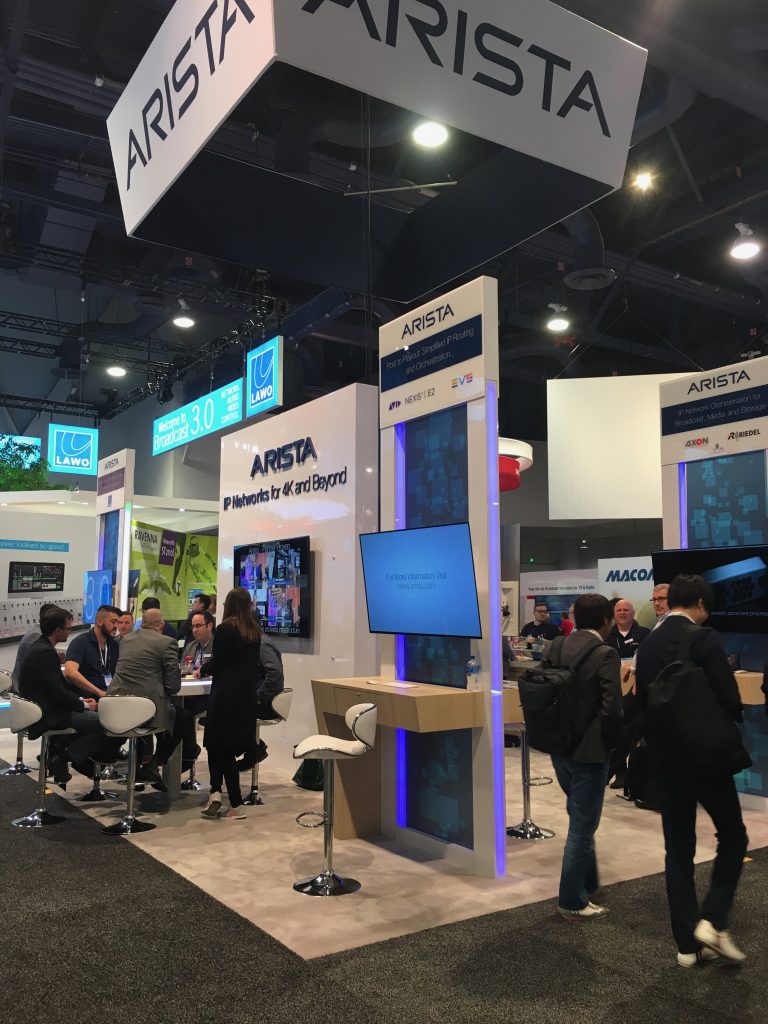
When people walk by your tradeshow booth, are you doing anything to stand out in a crowd?

It’s easy to ignore and delete an email. It’s easy to walk by a retail store without stopping. It’s a piece of cake to ignore ads on your screen.

It’s pretty easy to walk by a tradeshow booth, too, unless something really outstanding is going on at the booth. Maybe it’s a unique booth. Maybe it’s a presentation that draws you in, entertains you and informs you of the company’s products and services. Maybe it’s a unique food sample. Could be anything.

Tradeshows have a distinct advantage over emails, and here’s why: emails go out to people who have (supposedly) opted-in to a company’s pitches. But over time, it’s not uncommon for that company – which is often owned by another entity – to share that email address with another company, and soon you’re getting pitches from (somewhat) related companies or products or services. Has that happened to you? Happens all the time to me.

The difference that tradeshows have is that you have spent handsomely to be at the show. But the show is targeted, the audience is specialized. The people walking the show floor have also paid to be there, and they are usually there for specific reasons, the main one being that they are SHOPPING for something, and since you’re exhibiting there, chances are they’re SHOPPING FOR SOMETHING YOU ARE SELLING.

Still, you have to stand out in a crowd. Tradeshows have a lot of competition. Your biggest and best competitors are doing all they can to make their best pitch to the same people you’re pitching. That’s the name of the game.

Which means that whatever you do, it had better be good. It had better be worth your time and money.

It had better be something that stands out in a crowd.

Why Don’t Tradeshows Work for All Exhibitors?

It’s a common refrain: tradeshows don’t work for me. They’re too expensive. I don’t get enough leads.

And unfortunately, it’s true for too many exhibitors. It’s easy to look at the exhibitor list of a show year after year and point to companies that give it a try once or twice never to return.

Look at the flip side, though: there are thousands of exhibitors that go back to the same few shows year after year, take home a stack of leads, create more business and firmly believe that tradeshows are the most powerful marketing tool they have at hand.

I know that’s true because I work with those kinds of exhibitors. Now, not every single exhibitor I’ve worked with is successful. Some have fallen off the wagon along the way. Others have shifted their marketing efforts. Some have taken a step back from tradeshows and reassessed their program, but eventually make it back bigger and better.

What’s the difference?

We could point to any number of things: their booth space is lousy and doesn’t have enough traffic; their booth is small and nondescript; their staff is bored (and boring) and so on. But it all boils down to just two things:

Having a good plan and being committed to that plan.

Plans are great. Everyone should have one. But what about having a bad plan? Bad plans do certainly exist. And having a bad plan is not a good thing.

Back to that “good plan” and “being committed” to the plan. A good plan can come from knowing your goals, your budget, your people; knowing the show and your competitors, and knowing what you really want out of the show. That good plan can be enhanced by having a well-trained booth staff, having a standout exhibit and having the most popular products in the show. But those last three things, the staff, exhibit and best products, are not completely necessary to have a good result. They’re important, sure, but they’re more like frosting on the cake. You gotta build a good cake first.

Answer these questions:

  • What do you want out of the show? In other words, why are you there?
  • How are you going to know if you got what you wanted? How are you going to measure your results?
  • What are the steps you need to take to get what you want? What will it take to get exactly what you want?

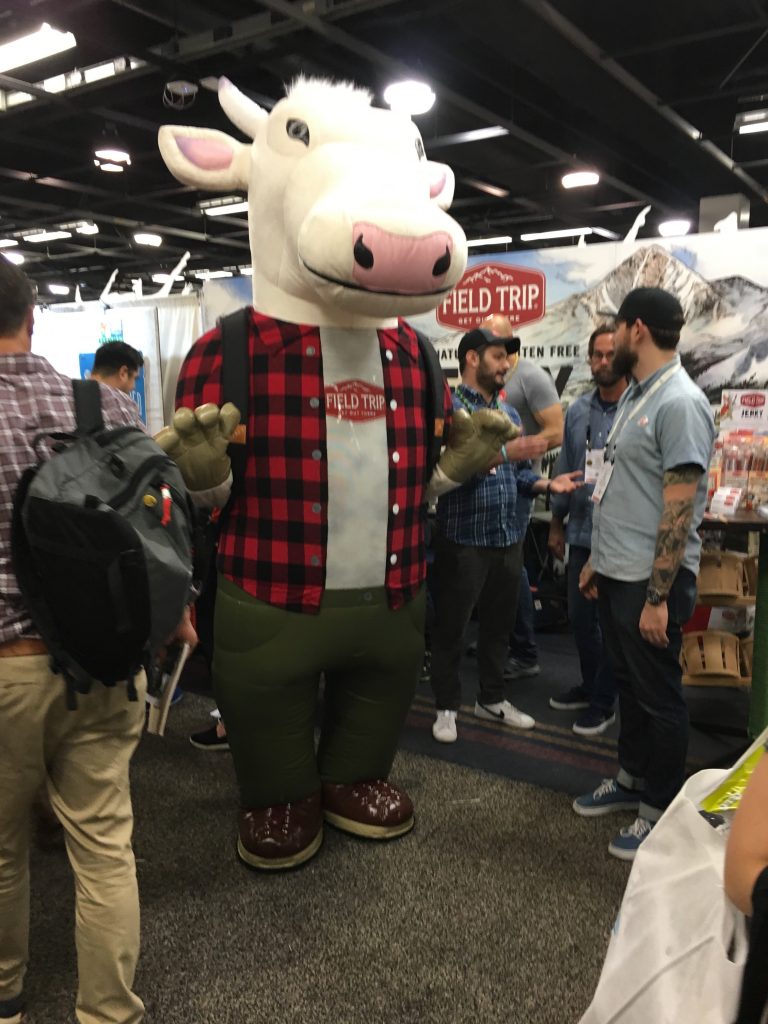
Sometimes it takes a little brainstorming and communication with the various members of the team. Sometimes it means knowing what worked at your last show and knowing what didn’t work. Be honest. Sometimes you have to be brutally honest to say that having that crazy mascot uniform didn’t really work, or that having the general manager do the in-booth presentations didn’t draw that many people. There are lots of reasons why things don’t work and assessing and understanding those ideas will help you move forward.

Another way to look at it is to ask yourself: When I get back in the office the morning after the show and say, Man that was a great show! What does that mean to you?

It’s not the same for every company.

Once you’ve defined the main goal of your tradeshow appearance, break it up into pieces. If you want 300 leads over a three-day show, you’ll need 100 a day. If the show is open from 10 am to 5 pm, that’s 8 hours. You’ll need to average 12.5 leads per hour, or one about every five minutes. If you’re doing demos, for example, and you know that for every demo you do there are 15 people on average standing there, and three of them are good leads, that means you’ll need to do a demo about four times an hour. If, on the other hand, you get six leads for every demo, that means you only need two demos an hour. Or, you could try to double your projected leads by doing demos four times and hour.

Run the numbers. If you want to give away 1,000 product samples or sign up 200 people for lengthier demos in the next three months, you know what that will break down to by just doing the math.

If your goals are not so straightforward, you can still look at it from an angle that will help. Maybe you want to make solid connections with only three distributors that, if you can get them to carry your products, would double your company revenue in the next two years, figure out what organizations are the best and most likely candidates. Make whatever effort you need to set and confirm appointments at the show. Yes, tradeshow success is all in the numbers, and it’s all in the ability to show off your products and make sales. So do the math, do the outreach. But don’t forget that we’re all humans – you and your prospects – and there’s often not a straight line to success. Make allowances for that, learn from your missteps and do better the next time. That’s what it’s all about.


Design a Great Exhibit by Knowing Who Buys Your Products and Where they Shop

I’m no expert on exhibit design or figuring out the potential customers for a specific product – let’s leave that to the people who have a lot of experience in that area and it’s not me – but I’ve picked up a few things along the way by talking to a lot of experts.

One thing that seems clear is that if you know who your audience is, what kind of products they buy, what kinds of stores they like to shop at, and why they buy your products, all of that information can be assimilated in a synergistic way to help determine the look and feel of your tradeshow exhibit so that your potential customers feel a familiarity; they feel at home when they see your exhibit.

What do I mean by that? Let’s say you’ve determined that the people who buy your products the most are a specific type of person: maybe they shop at Target a lot, but also like Bed, Bath and Beyond. Or they like Applebee’s but not Pizza Hut. They like Urban outfitters and J. Crew but not The Gap. And so on. The more information you can distill about your products’ appeal – and who is buying those products from you, the more you have to help design your tradeshow exhibit.

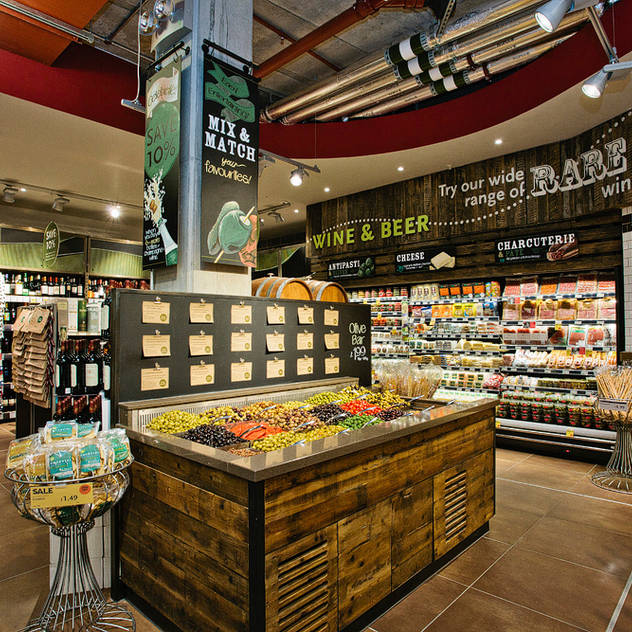
Whole Food Market Richmond Branch.:  Commercial Spaces by Garnett + Partners LLP, Eclectic
Are you trying to echo the look of a specific store interior?

Let’s say, for example, that your products attract people who shop at Whole Foods for groceries. If you are selling a food product, it probably makes sense to incorporate some design elements that are popular at Whole Foods into your exhibit design. Not to copy the design, but to echo the design elements. Do they use recycled wood? Do they use a pastel color on counters or product shelves? Then consider incorporating those elements in the exhibit design.

Exhibit designers have the experience and the skill to not only create a three-dimensional model complete with floor plans, traffic flows, height restrictions and sensibilities, but they know how to take those colors and patterns and textures and incorporate them into product displays, greeting counters, light boxes and flooring patterns.

If done right, your potential customer will take one look at your exhibit and even if they’re not familiar with your brand (yet), they will feel at home because you’ve done your homework and created an exhibit that understands them and what they like.

You just need to know who your ideal customer is and what brands or stores they’re already comfortable shopping at.

10 Ways to Stand Out at a Home Show

Smaller, regional or city home shows are where local residents go to see the latest in roofing, home repair and improvement, HVAC, landscaping, and more. It’s not uncommon for exhibitors at these smaller shows to lack experience in exhibiting that their national show exhibiting brethren might have. If you are going to set something up at a home show, how do you attract the attention of attendees? Let’s look at a few different ways.

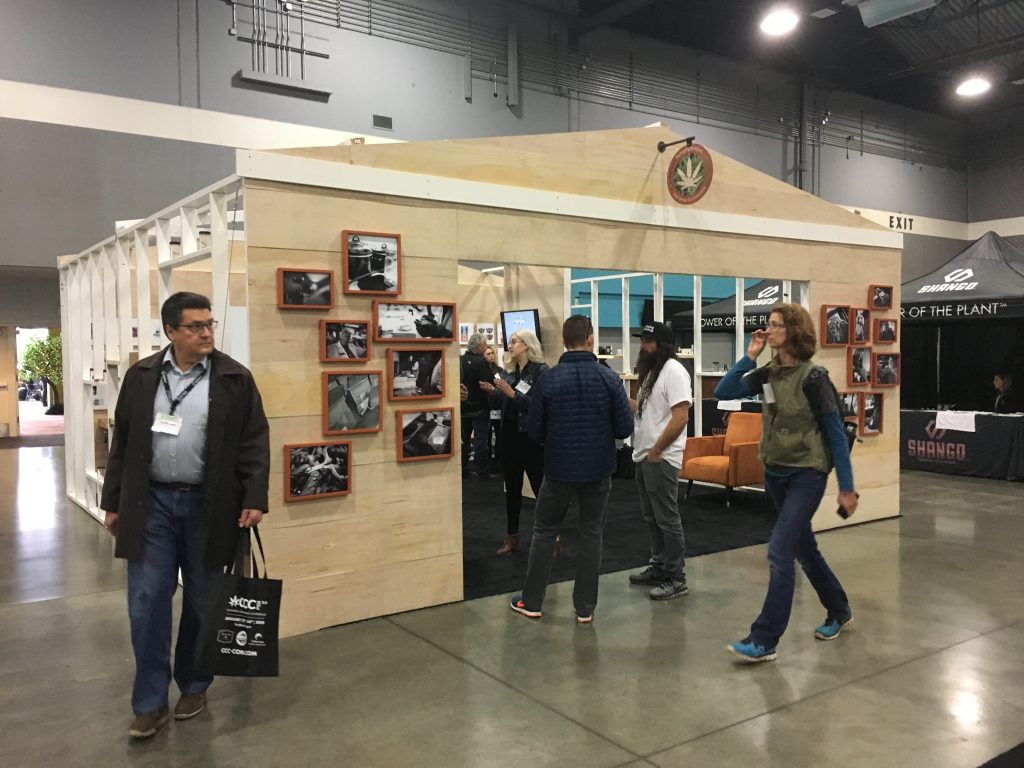
First, have an outstanding exhibit. This can be done in many ways. I’ve seen, for example, exhibits that are unique and custom. They were possibly designed and assembled by the company’s work crew using a little creativity and a lot of ability, and they reflect the company’s brand and personality. Sometimes they’re done by an exhibit house, but not necessarily. By presenting yourself with something that’s attractive to look at and delivers a strong message, you’re ahead of the game. Examples: companies that sell leaf gutter blockers who have a small room sample showing their gutter blockers with water running down the roof with leaves caught on top of the leaf guards. Also, a landscaper that decks out their entire space with rock, sod, waterfalls, small creek bridges or whatever. It’s time-consuming, yes, but it catches people’s eyes.

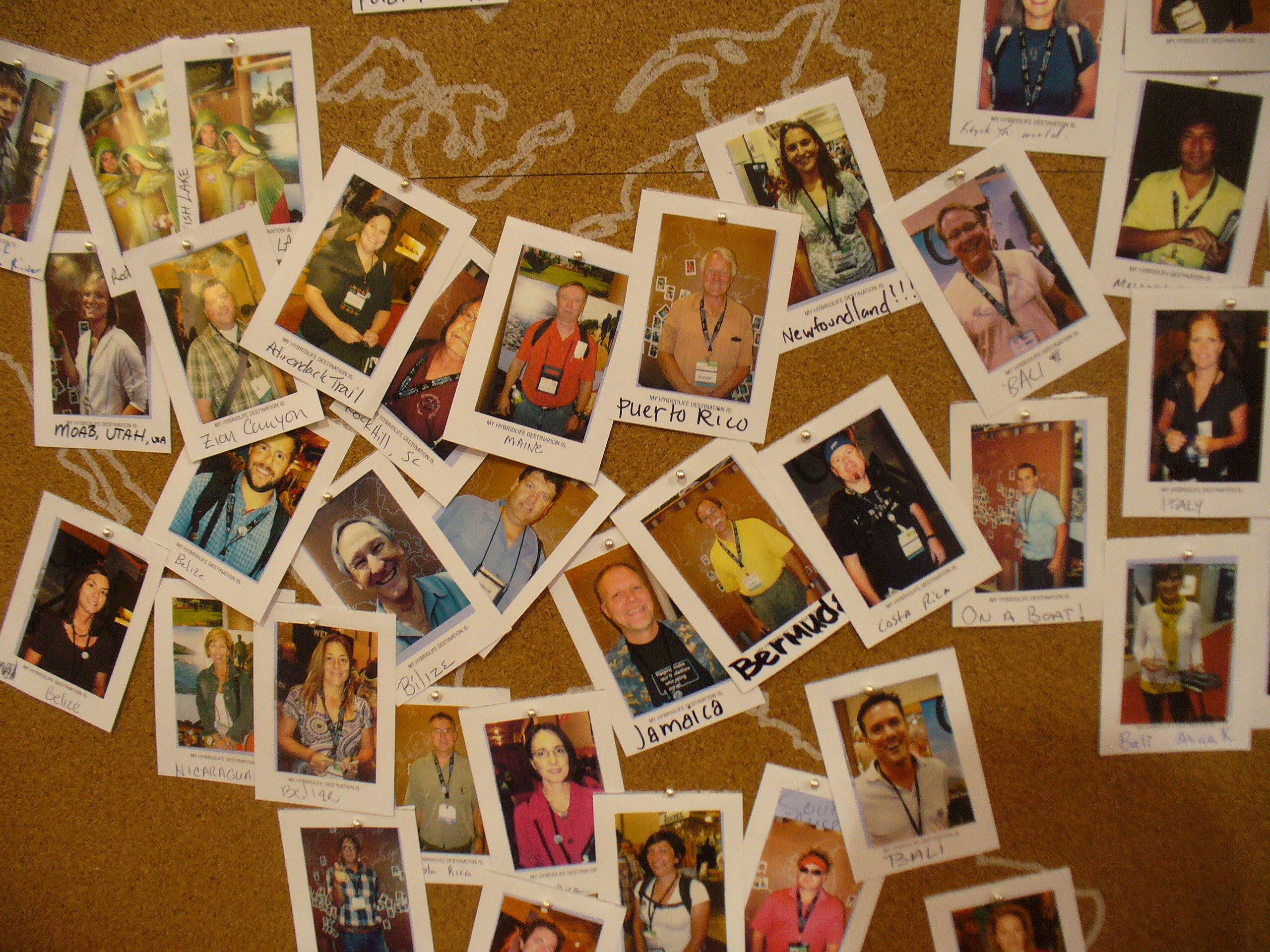
IDEA! Have a Polaroid camera, take people’s pictures and put ’em on a corkboard!

Second: Have a well-prepared booth staff. Make sure they understand the goal: gather more leads, capture their contact info for follow up. They need to know the basics: no talking on their phones in the booth, no eating in the booth, no sitting on a chair. The do’s and don’ts also include offering a smile to visitors, asking pertinent questions (are you looking to improve your landscaping? etc.) and being present with visitors when the ask questions. Tell people thanks for coming by, even if they didn’t show much interest.

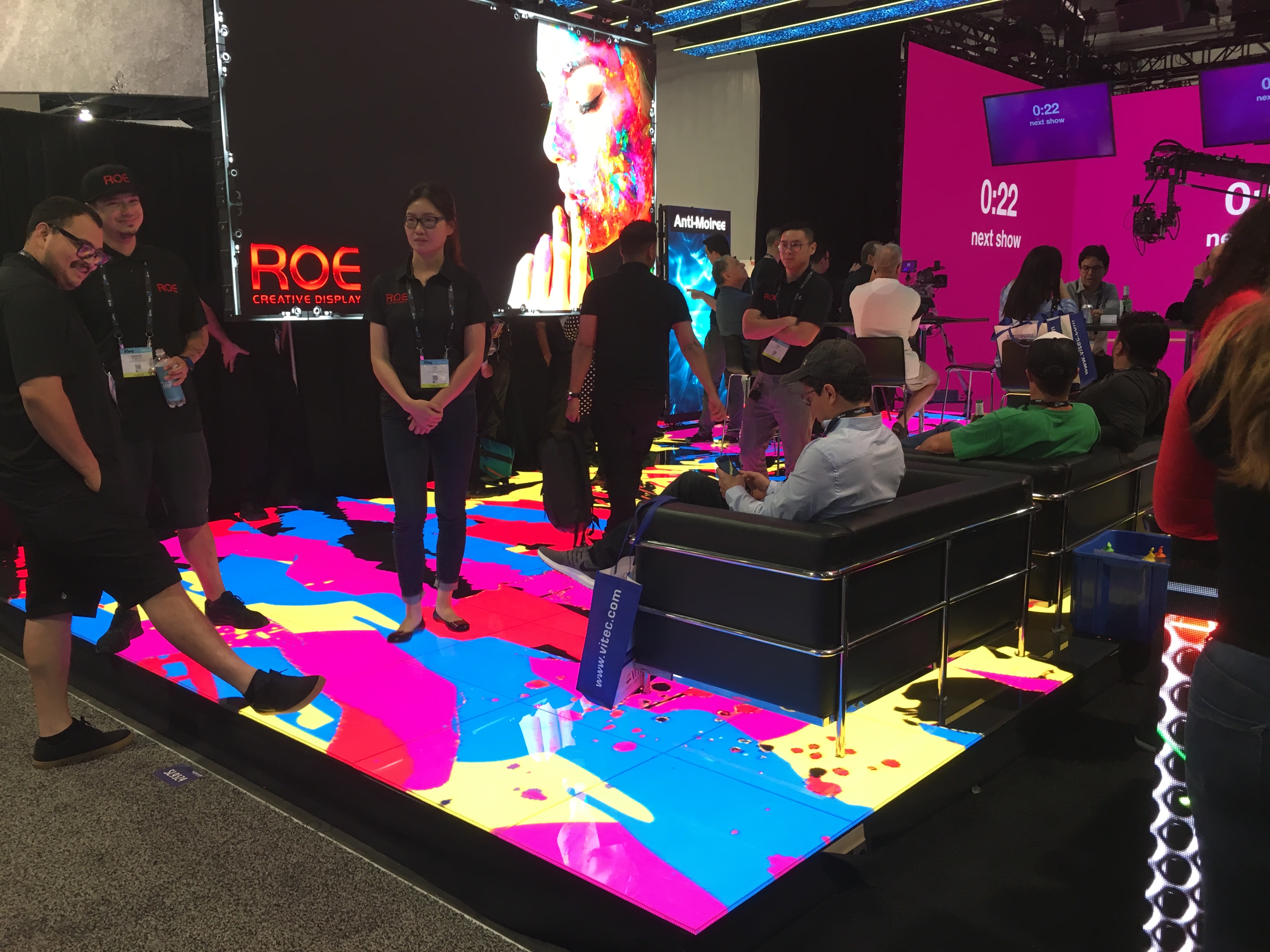
Three: have something for visitors to DO. Interactivity keeps visitors in your booth and if it’s really good they’ll stick around long enough for you have a good Q&A. You see a lot of spinning wheels where people can win a prize, and while I’m not a big fan of these because virtually everybody that wants to win something stops, and they’re not all potential customers. But they do get people stop long enough so you can ask them a few questions. Other things you can have them do: find something quirky about your business, or even get a life size cutout of a famous figure like Frank Sinatra or Elvis and put up a backdrop with your company name and the show hashtag and invite people to snap photos and post on social media for a chance to win something. It gets people involved and helps promote your booth number. Another idea: have a really big Jenga set, where each block has a question that relates to your business, and when they pull it out, give them a chance to win by correctly answering the question. Give away LED flasher buttons with your logo and booth number and tell them a secret shopper is wandering the hall and if they spot you with the button you could win something. Another way to promote your booth away from your booth space. One more: custom printed flooring that invites people to take their picture with the floor (another variation of the social media back drop/life size figure).

Four: Make sure that you give your visitors what they want. And what is that? They want to see what’s new. They want to speak to someone who knows their stuff. They want to be treated like a friend and with respect. A warm smile goes a long way. They don’t want their time to be wasted.

Five: Have your booth staffers stand out by wearing unusual or different clothing. Could be that all of your staffers at an HVAC booth don tuxedos. Or everybody wears colorful branded t-shirts. Purple one day, orange the next, red the next, and so on.

Six: Have a magic word of the day (or hour). Put up a sign on the front counter that everyone can see. If someone says the magic word, they win a prize. It’ll intrigue people enough so that they stop and start a conversation. Have a few ready-made hints for what the magic word might be.

Seven: Put on a small white board and invite people to write a short Haiku (a short three-line unrhymed verse of five, seven and five syllables. Have a few examples for starters. Give away prizes.

Eight: Shoot a commercial at the show. Invite visitors that are customers to record a short testimonial. Interview one of the managers and ask her how things work.

Nine: Conduct a survey. Make it very simple, maybe two or three questions. Ask people to fill in the answers. If they want a chance to win, give them a space to put in their name and phone number or email address, but don’t require it for the survey. Find out what people really think about some of the things you do.

Ten: Make sure your graphic messaging is very simple. One of the keys to delivering a good message is to make it easy to understand. On tradeshow back wall, use no more than seven words. Put the more complicated stuff in a handout or a download.

No doubt you can think of more. What comes to mind?


Put Your Tradeshow Plan in a Box

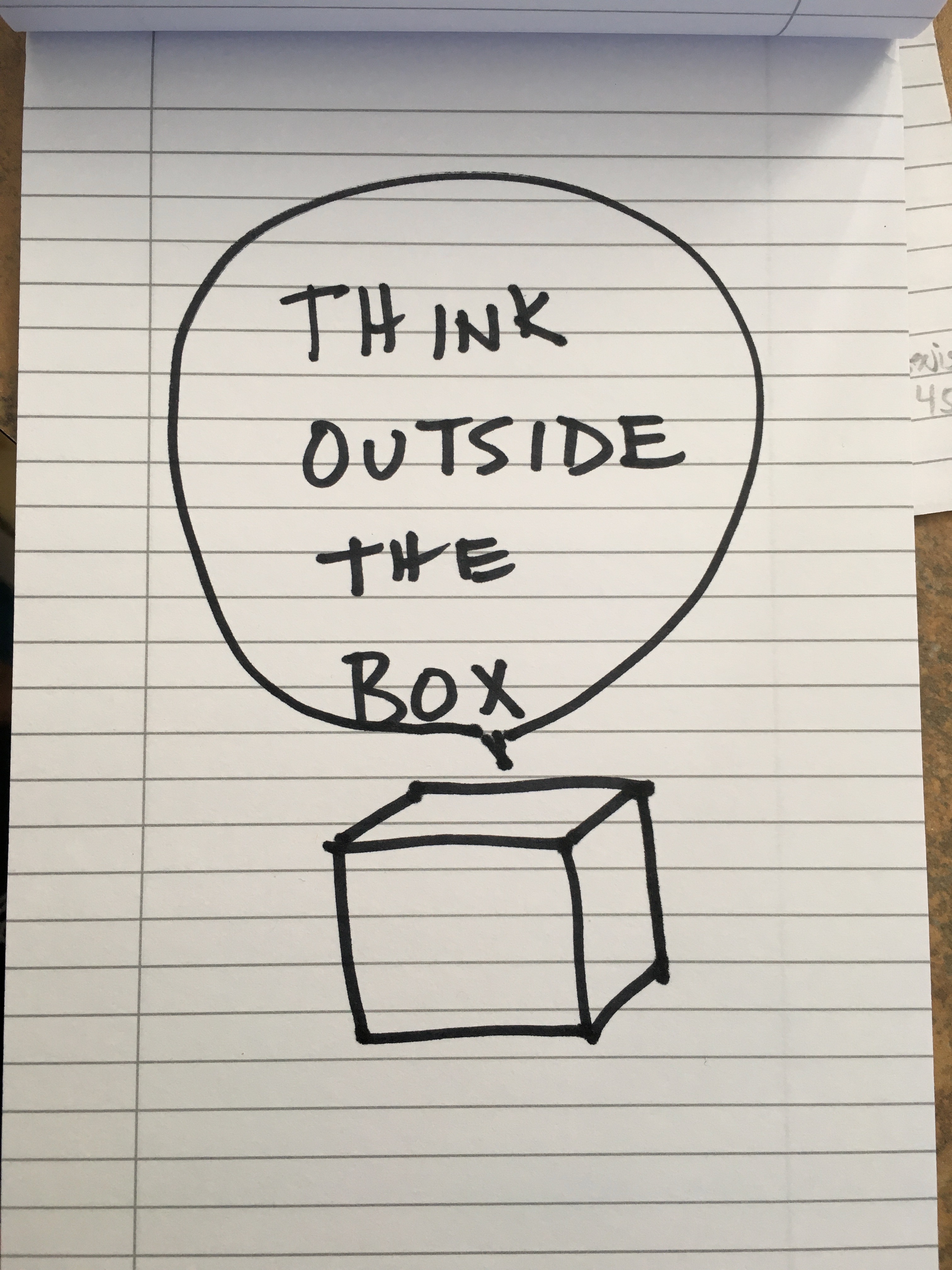
You’ve heard the phrase “think outside the box.” But in the tradeshow world, sometimes it makes more sense to think inside the box.
In many cases, it does make sense to think outside the box. Which means, generally, to do things you don’t normally do. Turn it upside down. Work backwards. Do something random.

But tradeshows have so much riding on them that the more you have a plan and the better you stick to it – with minor deviations as warranted – that it pays to stay inside the box.

Make the plan. Execute the plan. Stay inside the box.

While you’re making the plan, many weeks or even months before the tradeshow, that might be the time to think outside the box. What can you do that’s different? What your competitors aren’t doing? What might be an activity in your booth that attracts people? What kind of different ways you can think of to promote your appearance?

During the brainstorming and planning phase, come up with as many different and unusual approaches you can think of that might help you stand out. But vet them. Test them. Make sure they are practical and can be executed as flawlessly as possible. Then, once you have something in place, iron out the rough spots and prepare it for the show.

And once the show starts, don’t stray from the script unless there’s agreement among the principals that it’s a good move. Otherwise, work the plan, take notes on how it went, and make adjustments for the next show.

Thinking outside the box isn’t a bad idea, in fact in many cases it’s a great idea. Just know when and where to do it. The tradeshow floor where thousands of visitors are passing by, where competitors are putting up their best, is not the place to wing it.

6 Ways to Make a Great First Impression at the Tradeshow

They say you only get one chance to make a first impression. That’s true. But you can make a first impression in any number of ways. Let’s go over seven ways that might work for you.

Make a great first impression at the tradeshow.
  1. Show your visitors an impressive tradeshow exhibit. Certainly, having a 3D visual representation of your brand is going to make an impression. The challenge is to make sure it’s not a negative impression. A new exhibit will go a long way, but you don’t have to buy something new to make a positive impression. You can dress it up with new graphics, has all of the functional needs required, and make sure it’s spotless. And keep it as clean as possible throughout the day.
  2. Greet people with a smile. Smiles translate good will in every culture and language.
  3. Ask a good question as you’re using that smile. Knowing what to ask and how to ask it will go a long way to demonstrate the seriousness of your marketing attempt.
  4. Don’t be distracted. You know the usual distractions: phones, food and lack of energy. The phones thing is easy: don’t pull it out of your pocket unless you have a specific work-related reason to use it at that moment. No Facebook, Twitter or Instagram unless you’re doing work. Food is easy, too: don’t eat in the booth. Gotta eat? Go elsewhere. Lack of energy is also very distracting. That is more challenging: get better sleep (not always possible), don’t eat food that puts you on a sugar or caffeine high, which leads to an energy crash. Which leads to distraction from having a lack of energy.
  5. Have something engaging for your visitors to do. A challenging proposition, but if done correctly, your visitors will be impressed when they can DO something in your booth that is: 1) fun, 2) engaging/interesting and 3) allows them to learn something about your product or service.
  6. Don’t be negative. While a first impression can be formed in an instant, don’t forget that you’re also forming that first impression while you’re in that first conversation. You may be talking about products and services and the topic of a competitor’s products and services come up. You may be tempted to diss the competitor’s stuff, but I think the better move is to take the high road: “yeah, they do good work, but it depends on what you’re looking for.” And then ask questions that uncover the prospect’s needs, giving you a chance to play up the elements of your products or services that can address that need better than your competitor can.

First impressions count for a lot. What other ways can you think of to make a great first impression at your next tradeshow?

The Art of Tradeshows is in Hiding the Art

One of the newsletters I read regularly is Electric Impulse, a monthly newsletter from Electric Impulse Communications. I interviewed Leslie Unger, President of Electric Impulse Communications, in March of 2018. In this week’s newsletter, a comment of hers jumped out at me that made me immediately think of the tradeshow world:

The art is in hiding the art and you as the audience don’t see the work behind the curtain.

Leslie Ungar, Electric Impulse Communications

Tradeshows are about presenting your company’s BEST. You leave almost nothing to chance. An exhibit is carefully planned down to the last detail. The newest and best products are launched at tradeshows. Booth staff are either put through formal training or are at least given guidelines on how to interact with visitors and gather contact information for follow up. Multiple meetings are held, phone conference calls are scheduled, all to make sure that the graphics have the right messaging, the right images; to make sure that the exhibit colors and materials are right for the brand; to ensure that flooring or hanging signs fit the overall branding scheme.

A lot of damn work goes on behind the curtains.

Behind the curtain…

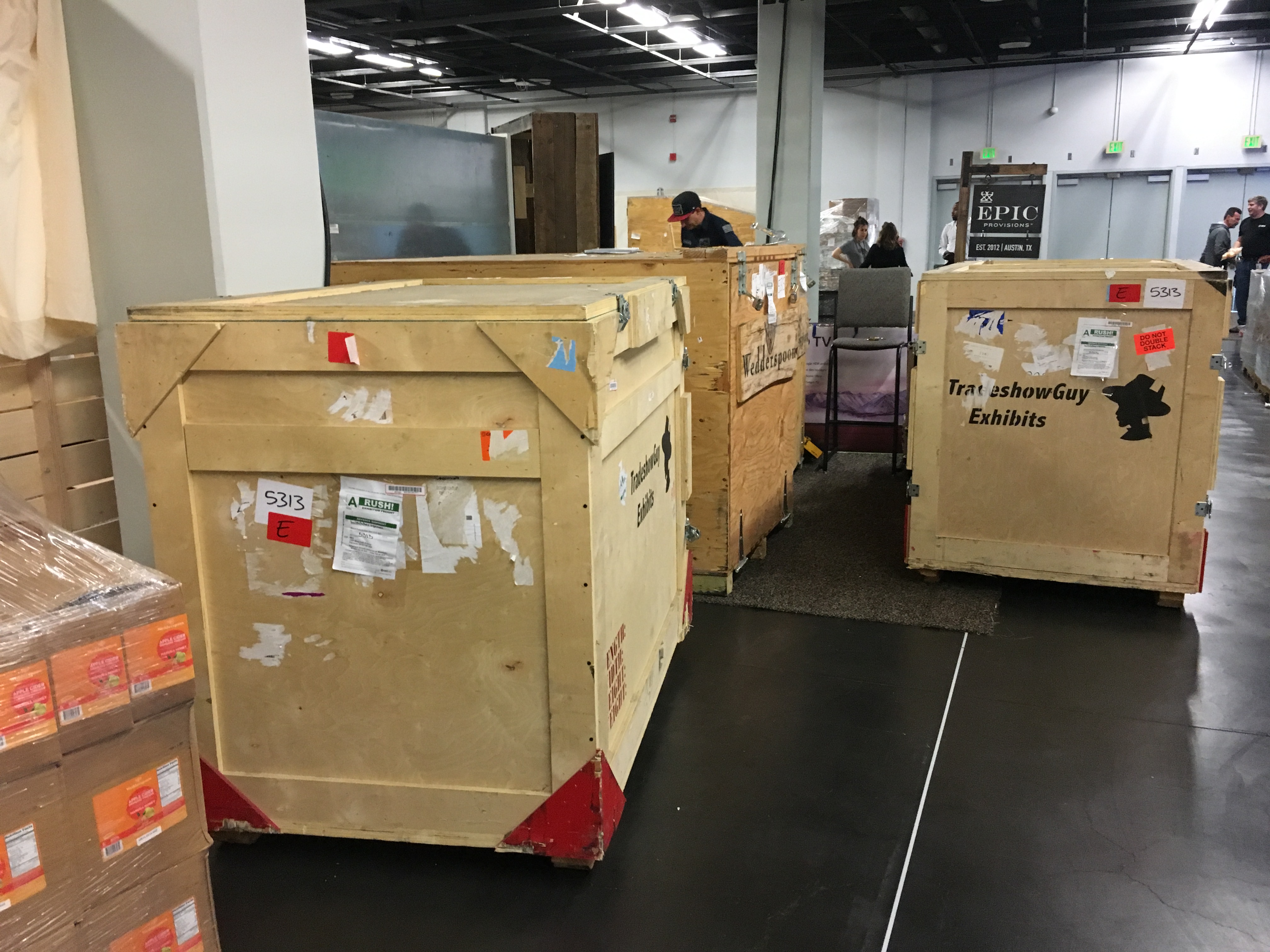
But visitors don’t see behind the curtains. They don’t see the months of work that went into the exhibit design and fabrication. They don’t see the planning that went into handling logistics such as shipping and installation/dismantle of the exhibit. They don’t see the chaos of the tradeshow floor during setup and dismantle. They don’t see the challenges that a company went through to put on their best face, to put their best foot forward at each and every tradeshow.

Think of it. Each and every tradeshow is like the Land of Oz. Behind the curtain is the Wizard (or group of Wizards), pulling the levers, manipulating information and ideas, maneuvering pieces from one place to another. All done to give each and every visitor an experience or impression that leaves them with a positive feeling about the company. The best exhibitors are those that go beyond that, though, and leave their visitors feeling more than positive. They leave them with a memorable experience that relates directly to their product. For example, a software demonstration that gives visitors the empowerment and possibilities that they just didn’t see before, and now they are leaving feeling creative and inspired. Or a product that they know they can put to immediate use that will save money and time, freeing up both resources for other important tasks.

Storytelling in a tradeshow exhibit is an art, a highly developed one. The challenge for each tradeshow exhibitor is to tell their best story with the people and skills on hand. And then to improve on it the next time around.


A Clean Booth is a Mean Booth

Wait a minute, how do you mean “mean”? As in average? As in angry?

Nope, as in “very skillful or effective” in a more informal sense: “she’s a mean bowler!”

But when it comes to having a clean and mean booth at a tradeshow, how might that work? Let’s explore.

Skillful and effective can certainly come in to play with your tradeshow presence. Your booth staff should be well-trained and know how to ask the right questions and collect valid and helpful answers.

Your exhibit itself should be clean. Having a small carpet sweeper or dust buster can help keep the floors clean. Garbage cans should be emptied regularly, especially if you’re at a show where a lot of samples are handed out, leaving behind a trail of debris.

Hiding things: most exhibits have counters or closets where personal items and extraneous items are kept. Often brochures or other needed items can be stored under a skirted table. In any event, keeping those extras out of sight helps to keep your booth mean and clean.

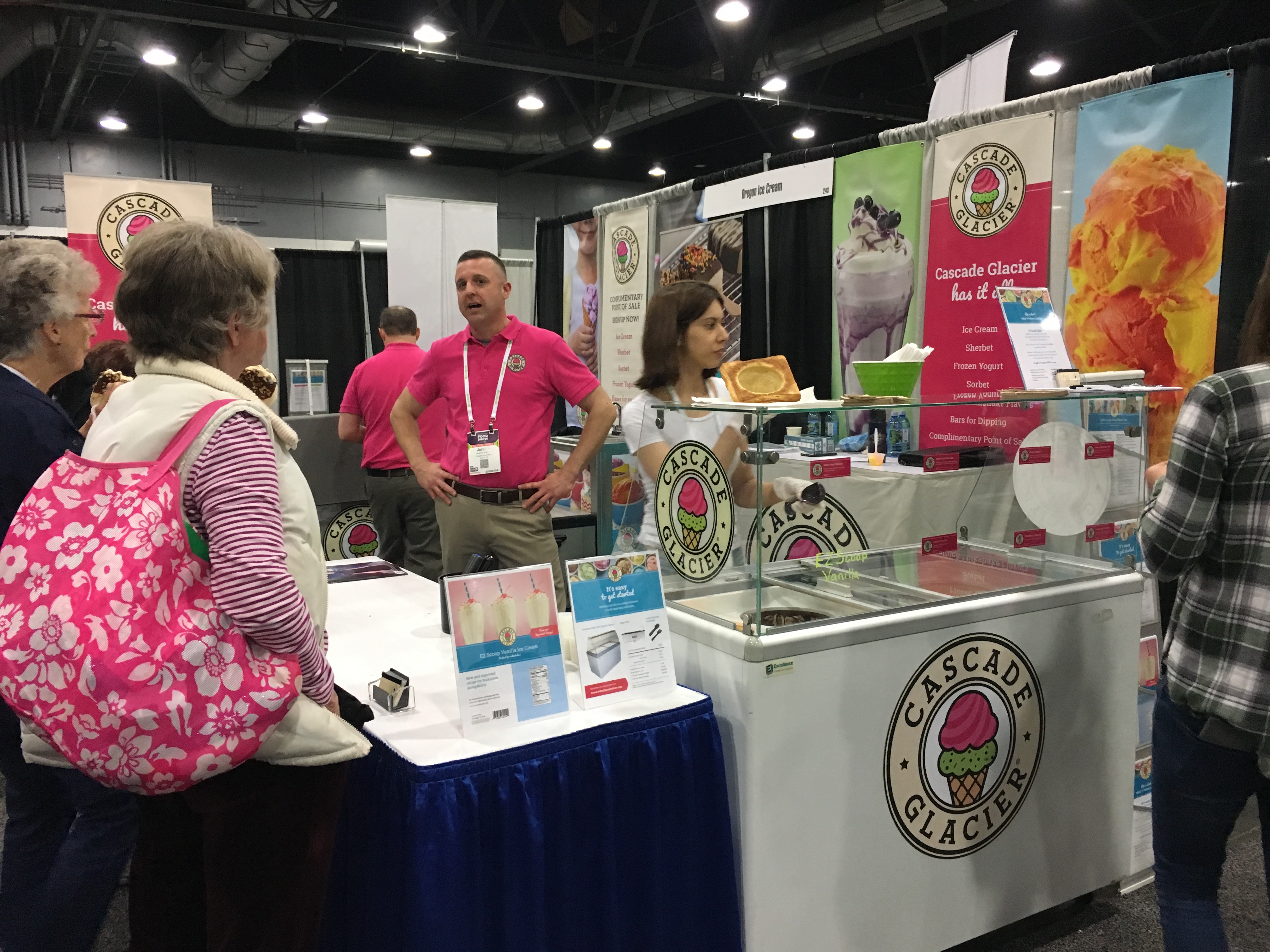
No food or beverages in the booth space. Yes, if you’re sampling foods, then it’s okay. But your staff shouldn’t be eating or drinking in the booth space. Psychology shows that often visitors will turn and go the other way if they encounter a staffer eating in the booth. It’s not inviting at all.

Have enough staff for the show. It’s a fine line: having too few or having too many staffers. Knowing the right amount and being able to effectively schedule the staff so that there’s always the right amount of staff comes from experience.

Knowing who the staff are: does this mean they all have readily identifiable badges or color-coded clothing? I’ve been in booths where it was impossible to know who part of the team was. In other booths, all of the staffers were wearing the same color shirt or wearing a shirt that was plainly branded with the company name.

Keep your exhibit and booth presence clean and mean for an edge over your competitors.


© Copyright 2016 | Oregon Blue Rock, LLC
Tradeshow Guy Blog by Tim Patterson

Call 800-654-6946 for Prompt Service
Copyrighted.com Registered & Protected <br />
QA4E-AZFW-VWIR-5NYJ