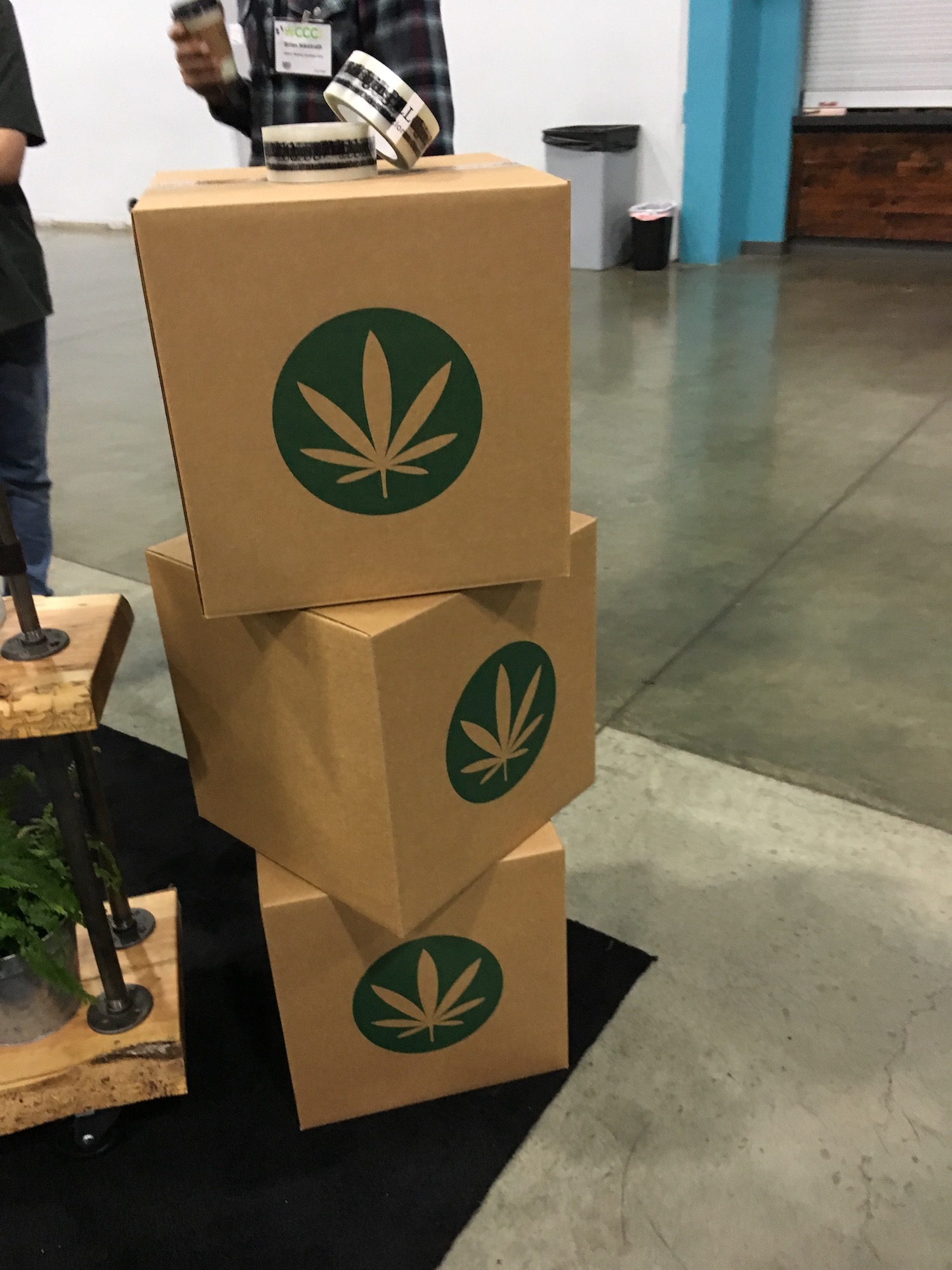
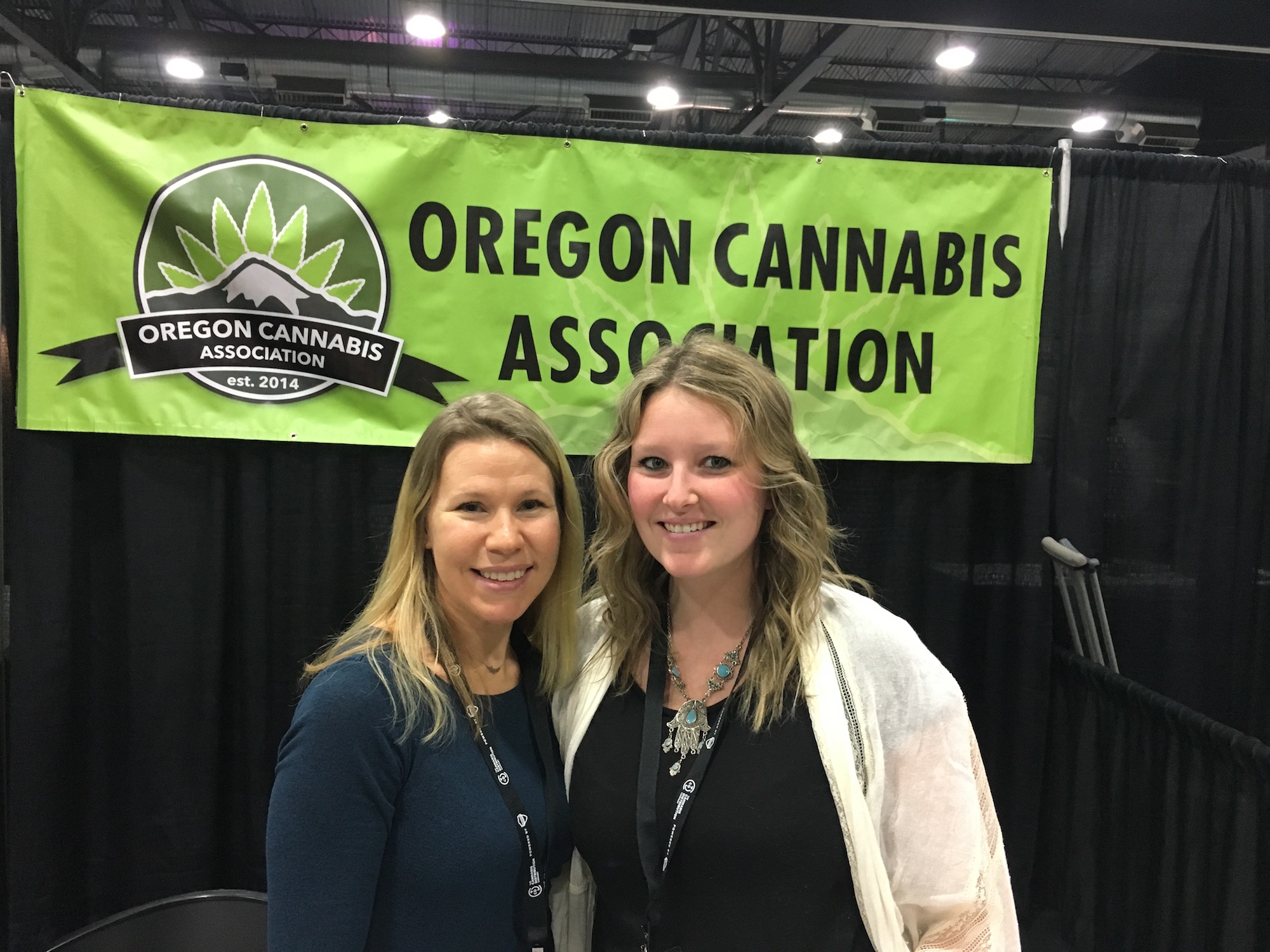
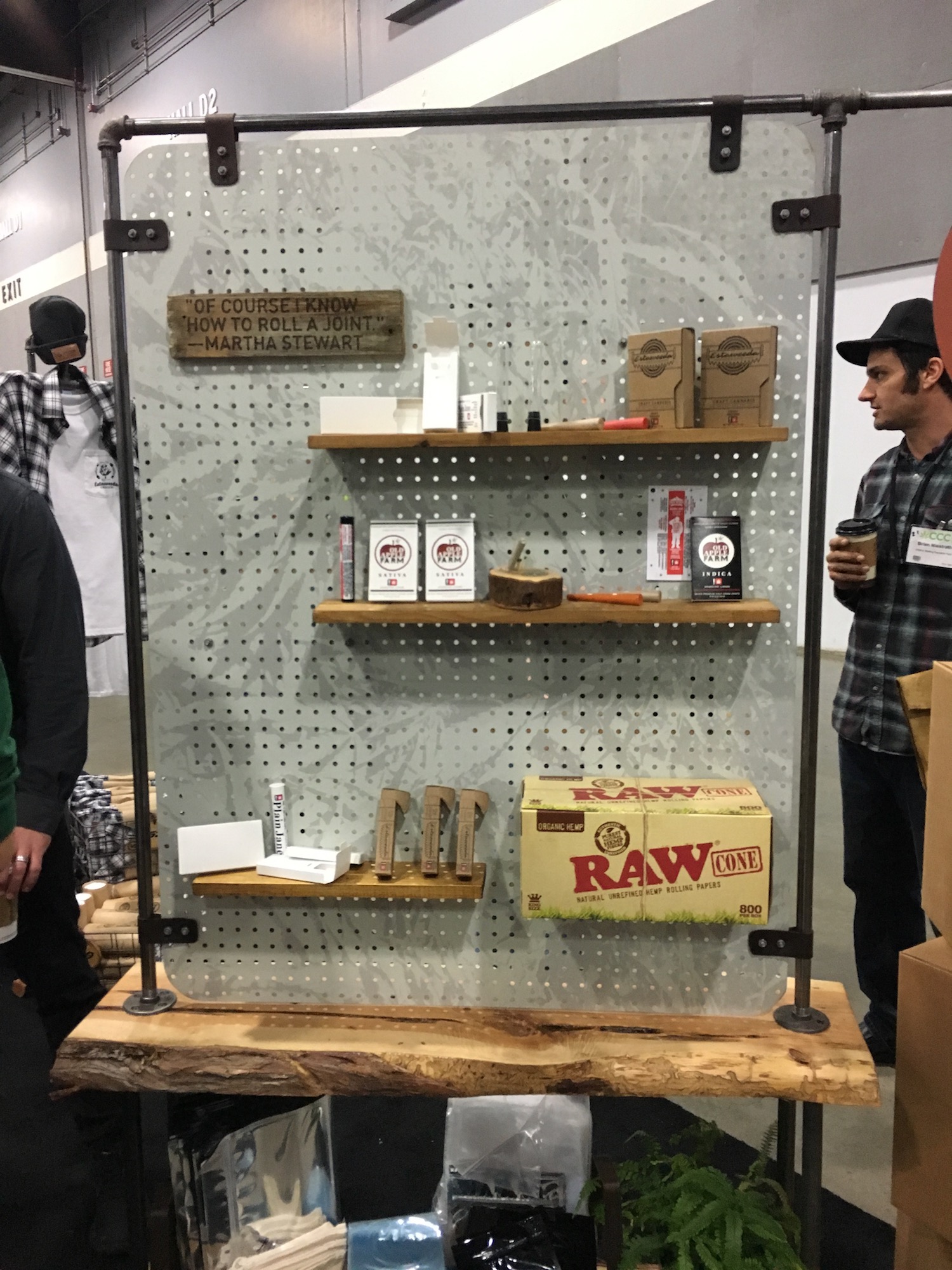
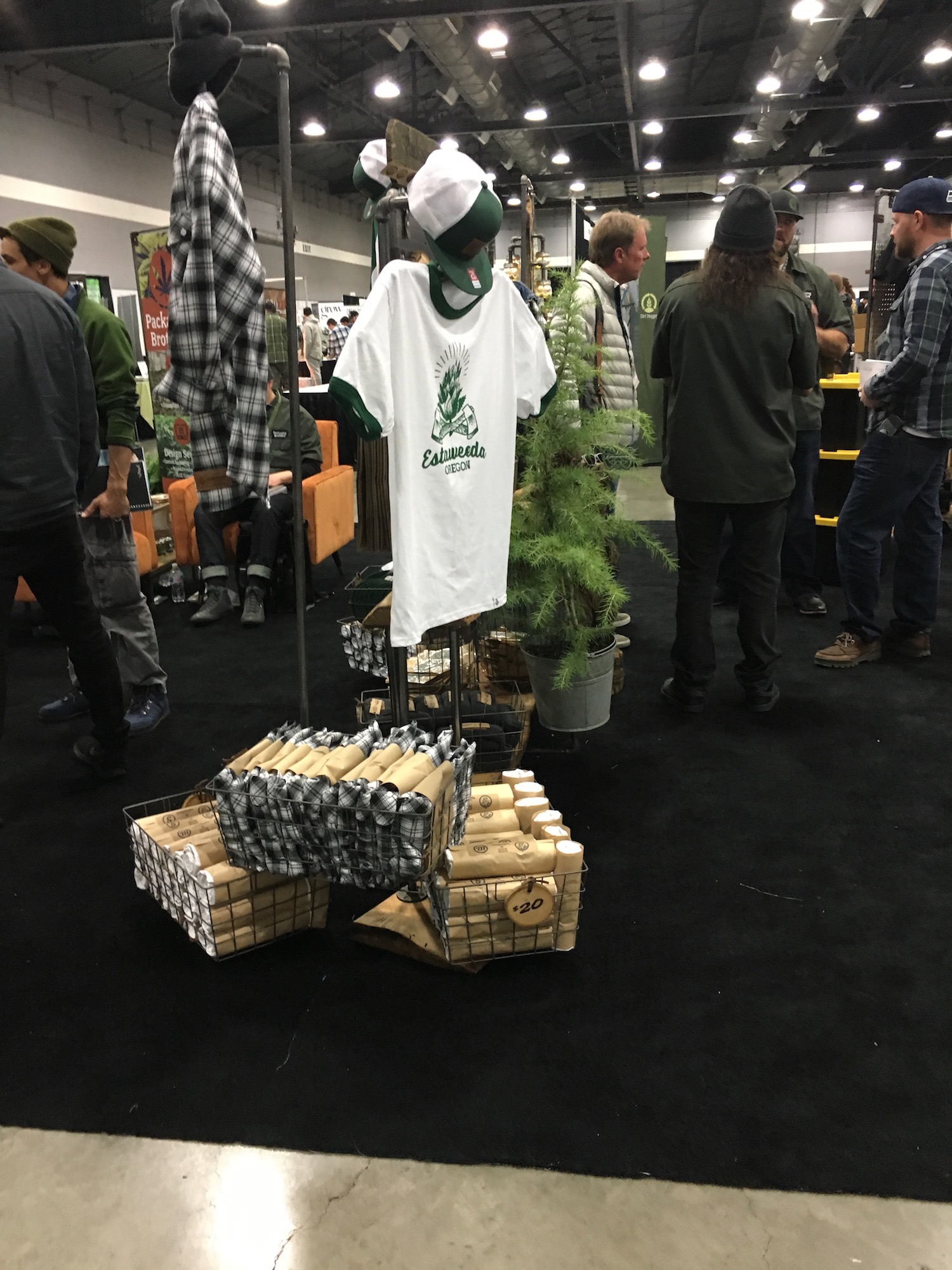
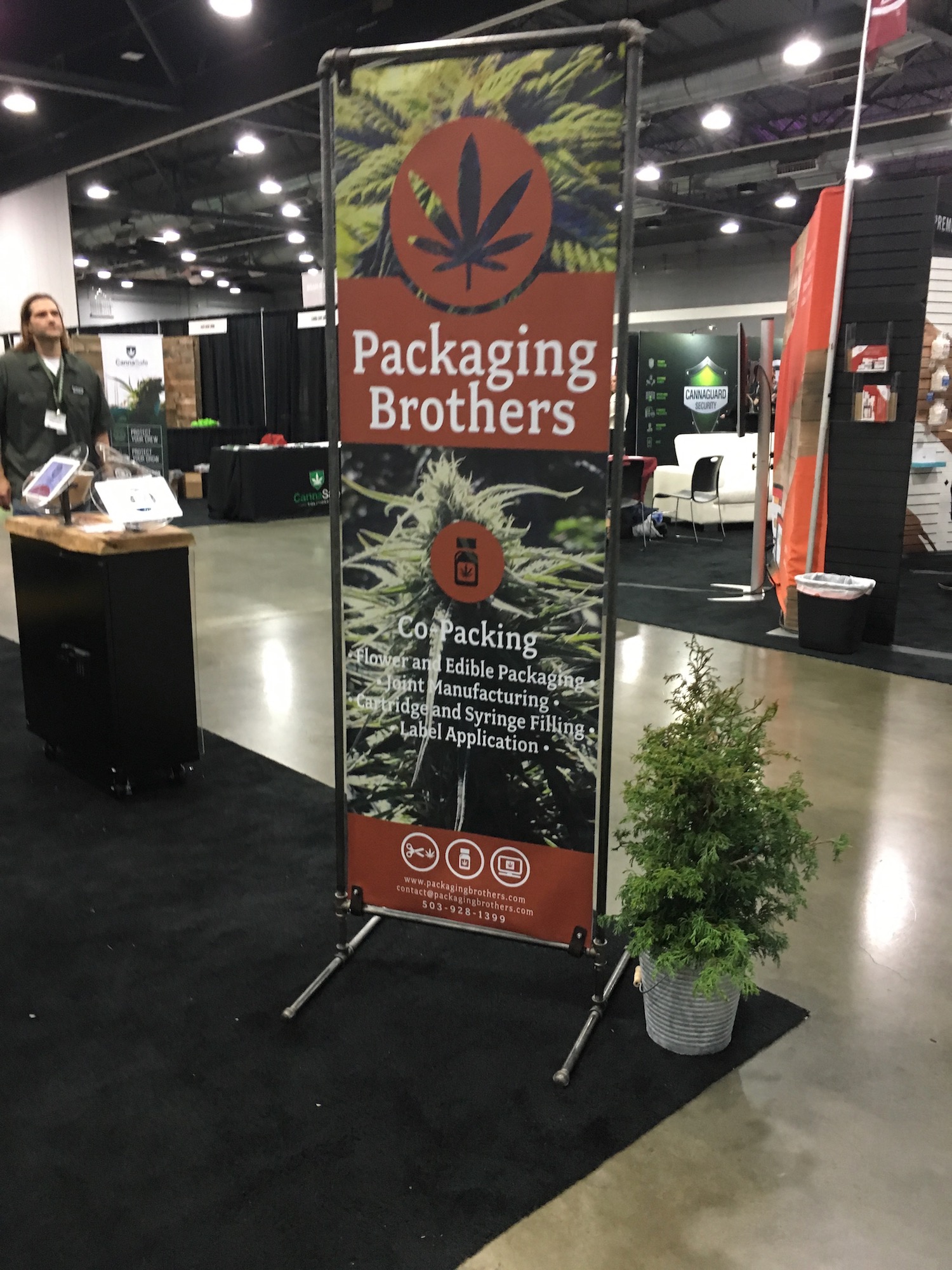
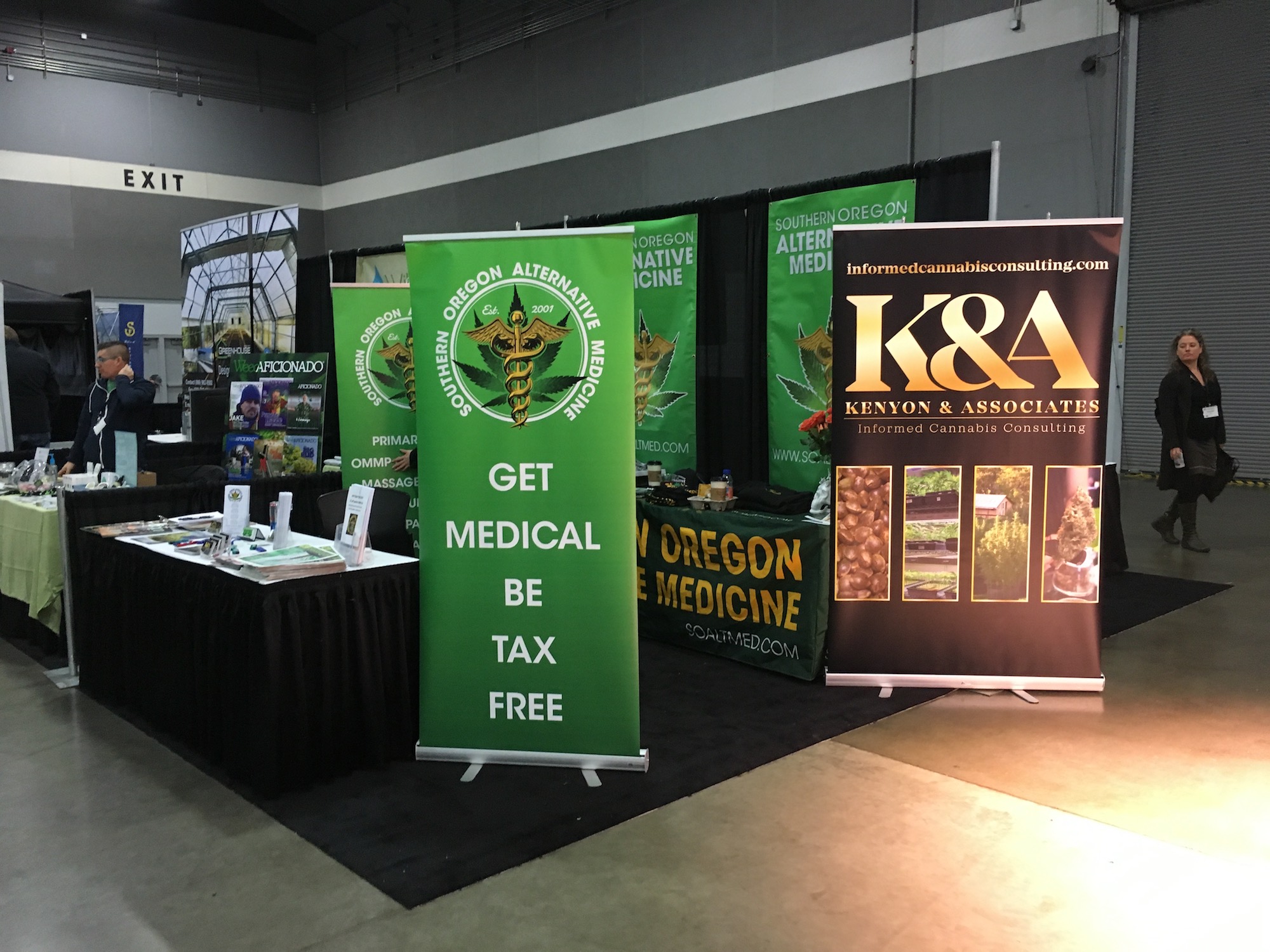
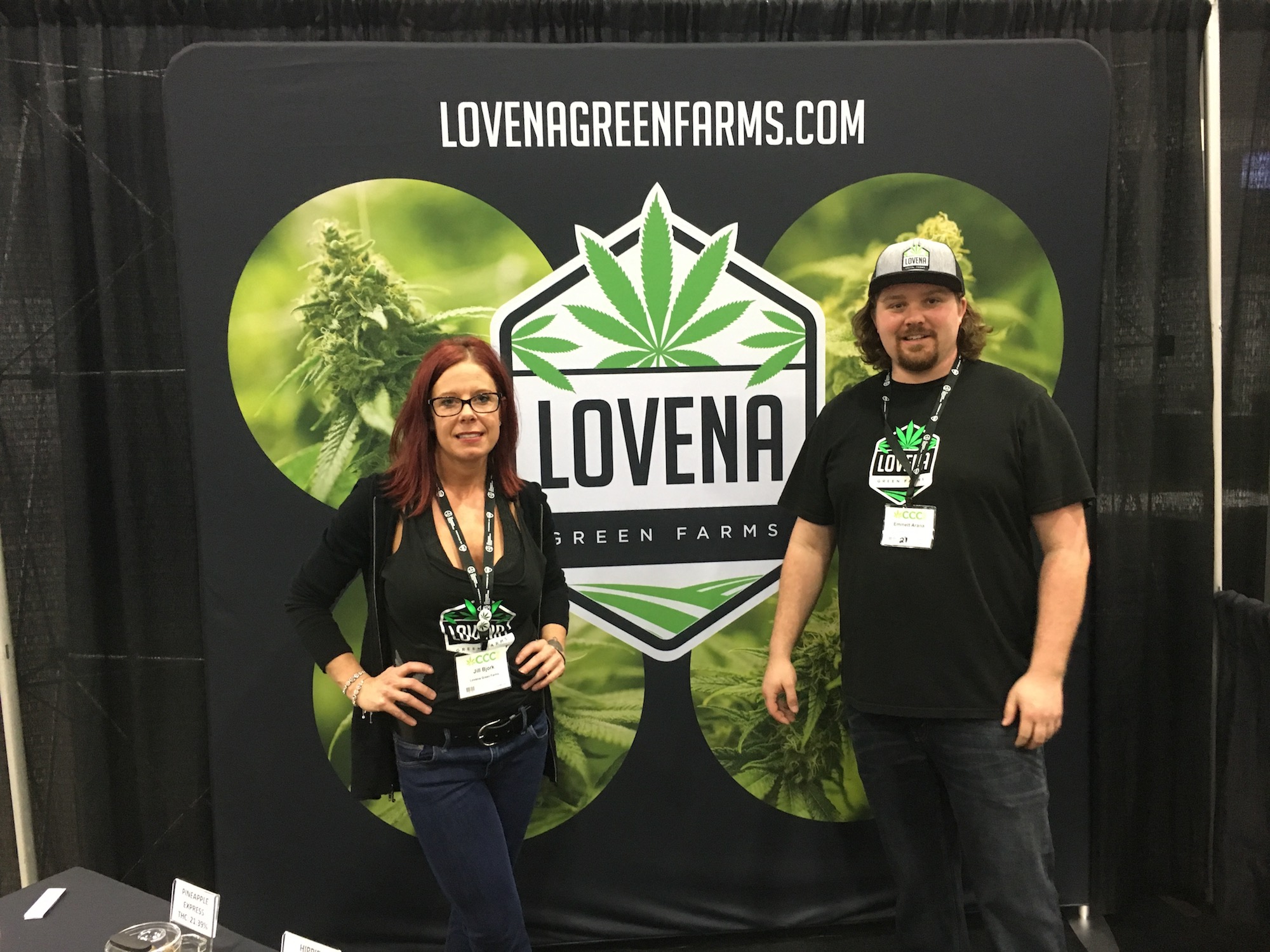
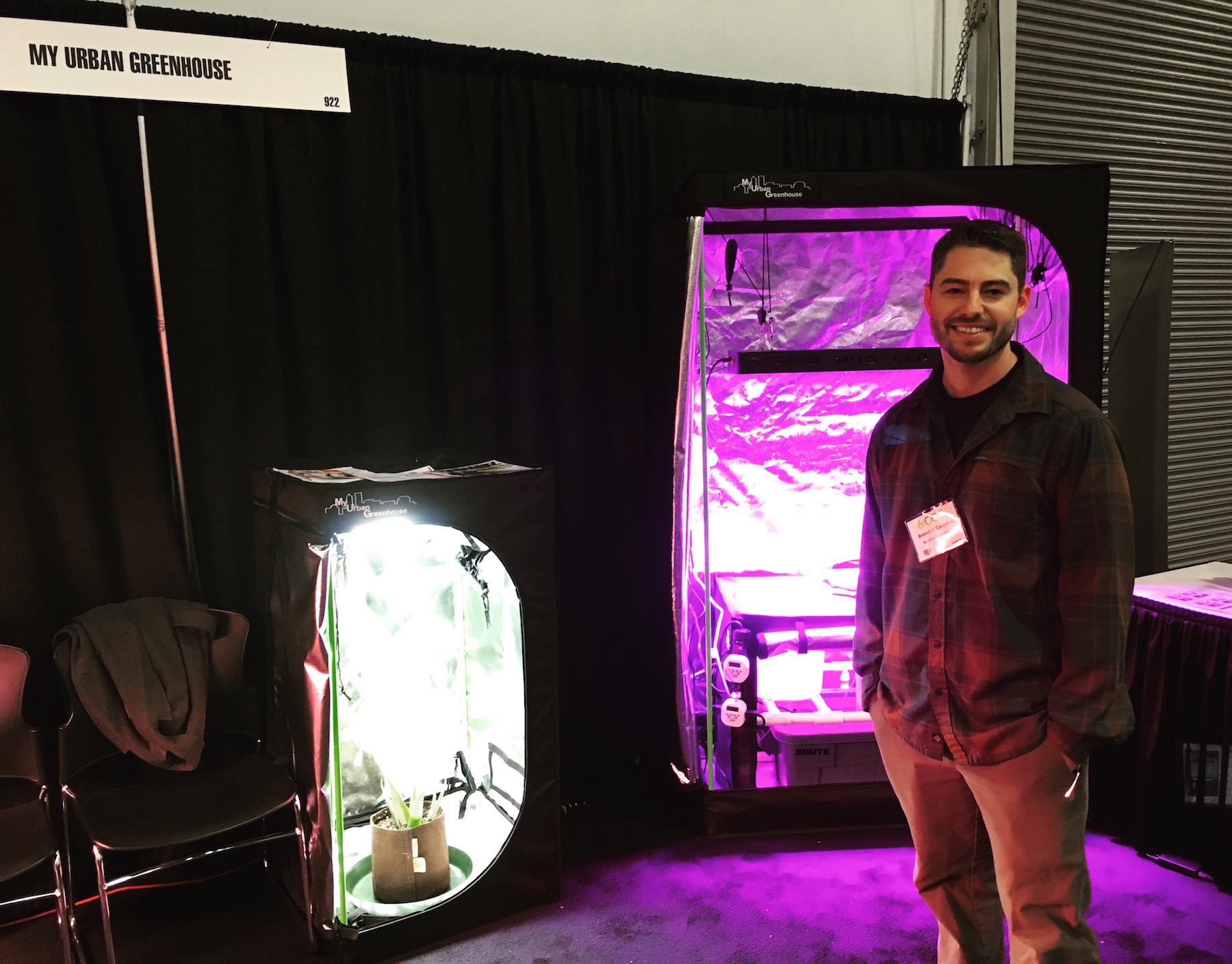
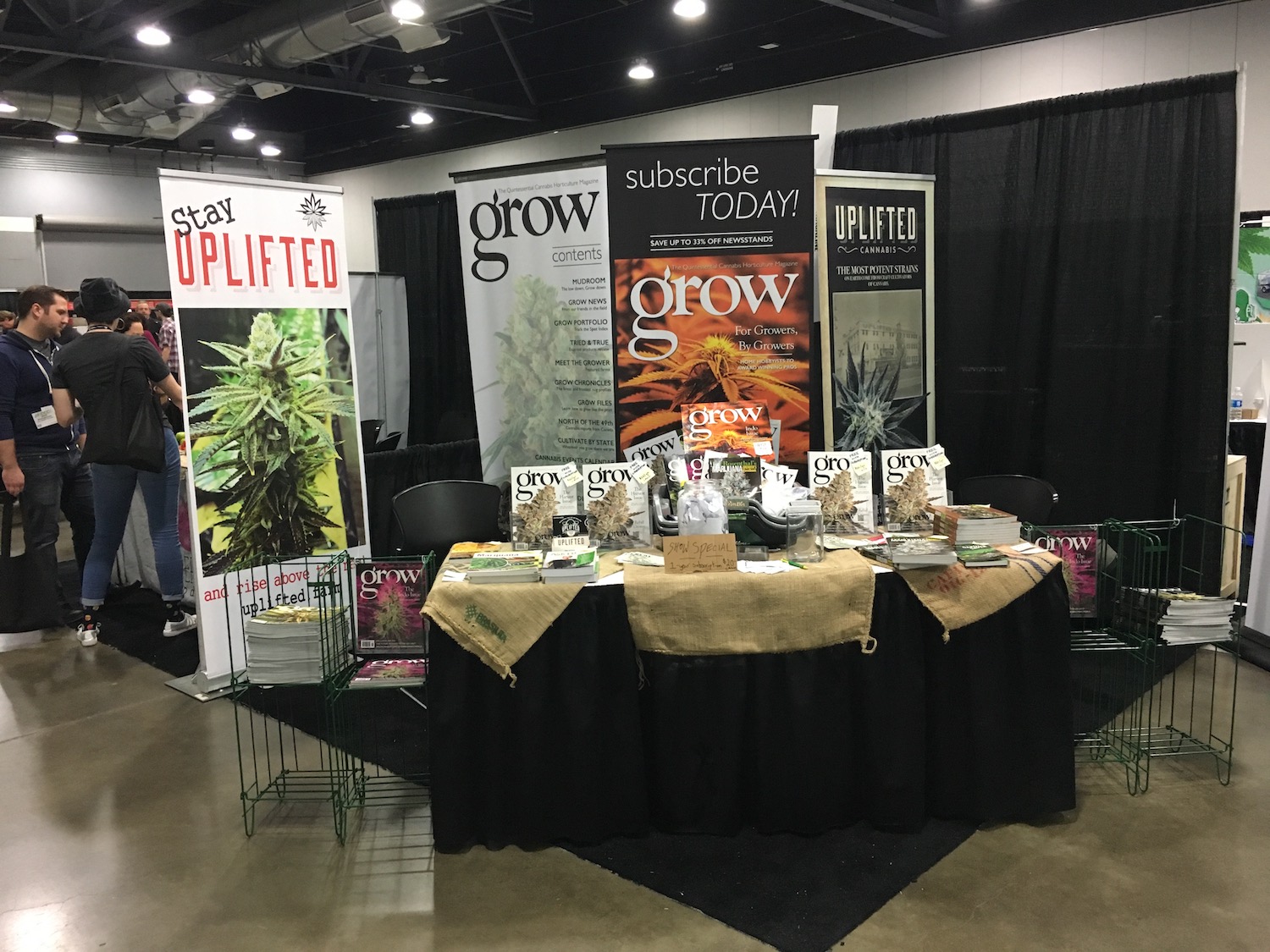
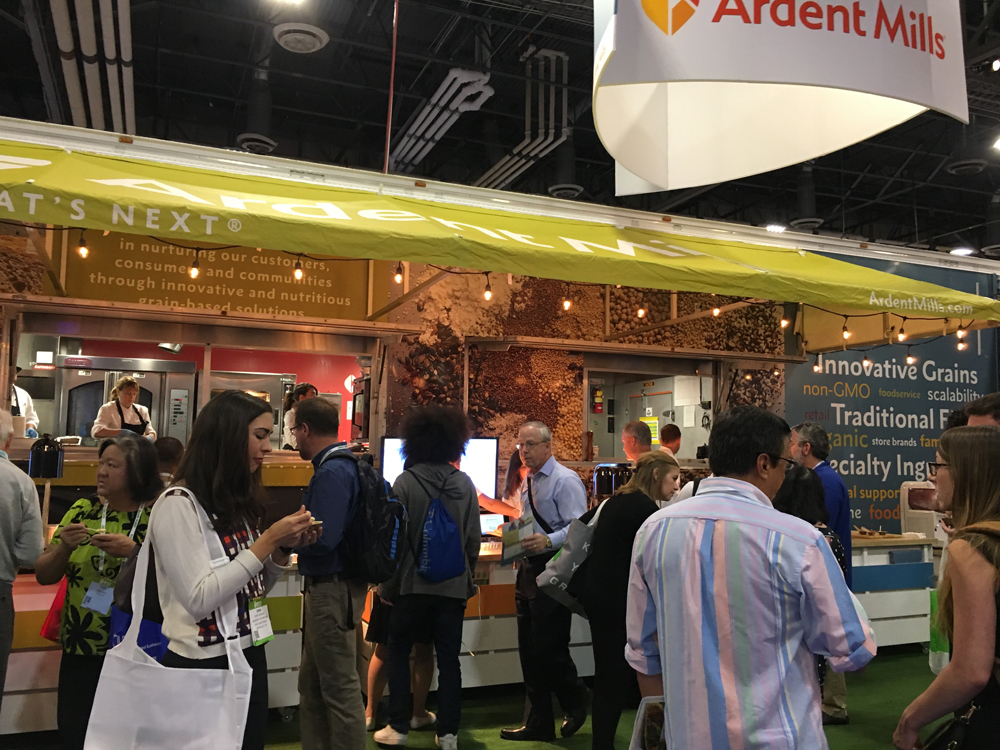
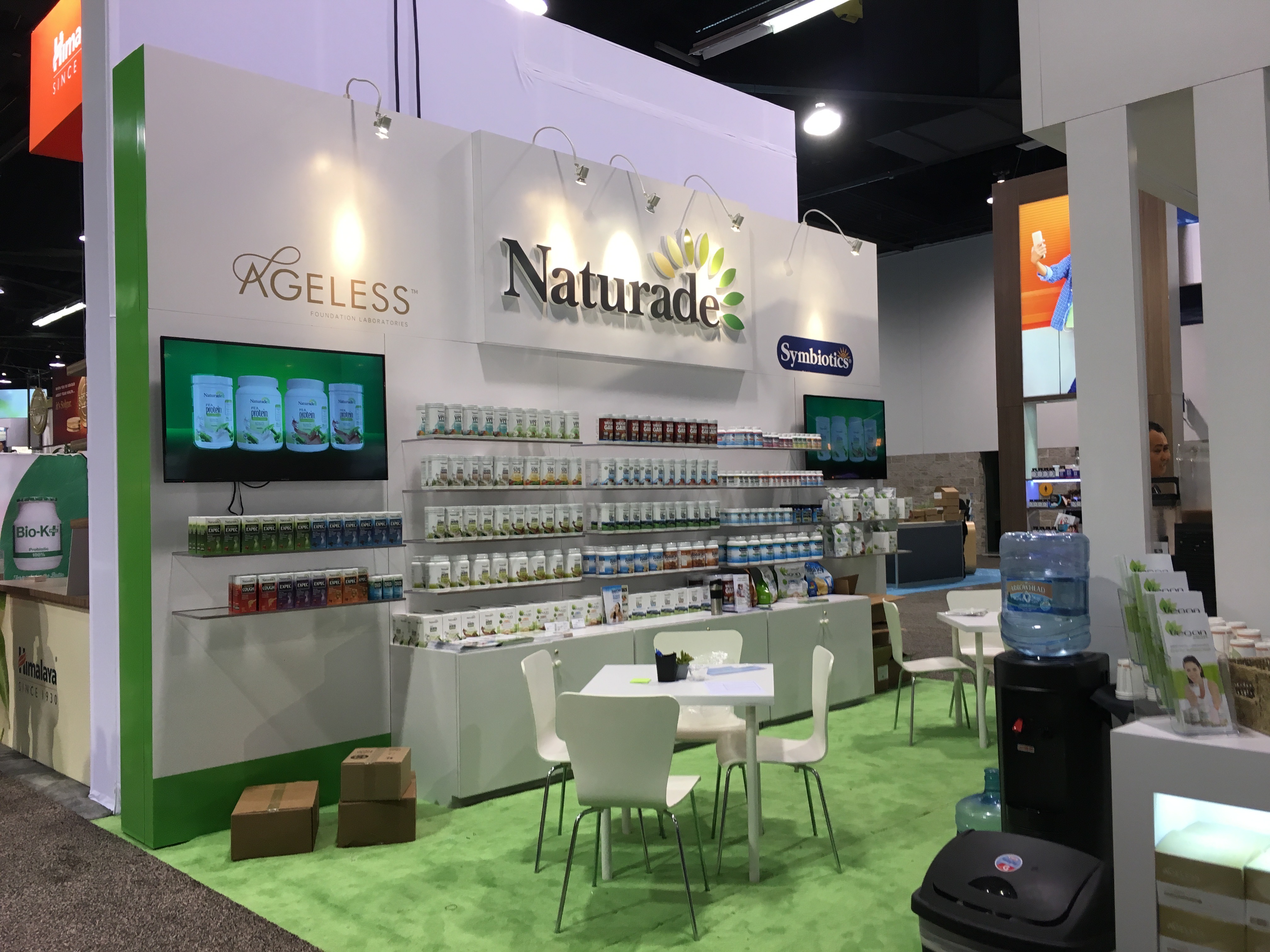
Here in Oregon, the cannabis industry is fast-growing, which means that tradeshows promoting the industry are popping up frequently. I walked the floor of the Cannabis Collaborative Conference last week, meeting people and posting photos of participants and exhibits on my social media outlets, especially Instagram and Twitter. I came up with a few takeaways:
Participants are very upbeat and positive about the future of the industry, despite the federal classification of marijuana as a dangers drug, and despite the recent announcement by the DOJ that they would more aggressively target people under federal laws, even in states that have legalized recreational marijuana.
One comment came from an exhibitor, who observed that attendees and exhibitors at this particular show were more likely those who were new to the industry, wanted to get into the industry or were smaller players. “The bigger players don’t need to be at this show,” she said.
CDB (cannabidoil) is exploding, positioned as a “non-high” pain treatment. A year ago it was barely mentioned. Today in Oregon it’s seen everywhere, it seems, and is heavily promoted as an alternative to other over-the-counter pain killers such as ibuprofen and aspirin.
I managed to see a portion of one of the presentations, which was a panel discussion on the challenges that the industry faces in the banking industry. As a cash business, stores are faced with getting that money into a banking system that resists the cash because, as institutions that are regulated by the federal government, they may be punished for doing just that. No easy answers!
From the perspective of a tradeshow marketer, I saw a mix of good, clever and creative exhibits along with those that barely were able to cobble together a printed vinyl sign backdrop. Those that I talked to were excited about their position in the industry, though, and looked forward to being able to afford more expensive exhibits in the future.
Here are a few photos from the Cannabis Collaborative Conference.
Anders Boulanger is a professional presenter that works the tradeshow circuit with his company The Infotainers. I’ve know Anders for years – long distance – and finally got a chance to meet in person several months ago when our paths crossed in Las Vegas. As a guest on the TradeshowGuy Monday Morning Coffee, Anders talks about his business, who he works with, how he does it from Winnipeg, Canada, and much more:
One of your biggest tradeshow marketing challenges is how to stand out at a tradeshow. Every other exhibitor is vying for the attention of visitors, so not only are you trying to grab the attention of the eyeballs and mind of a visitor, but every other exhibitor there is looking to do the same thing.
To stand out, you have to be unique. Or if not unique, you have to execute the various properties of your exhibit in such a way that you catch eyeballs.
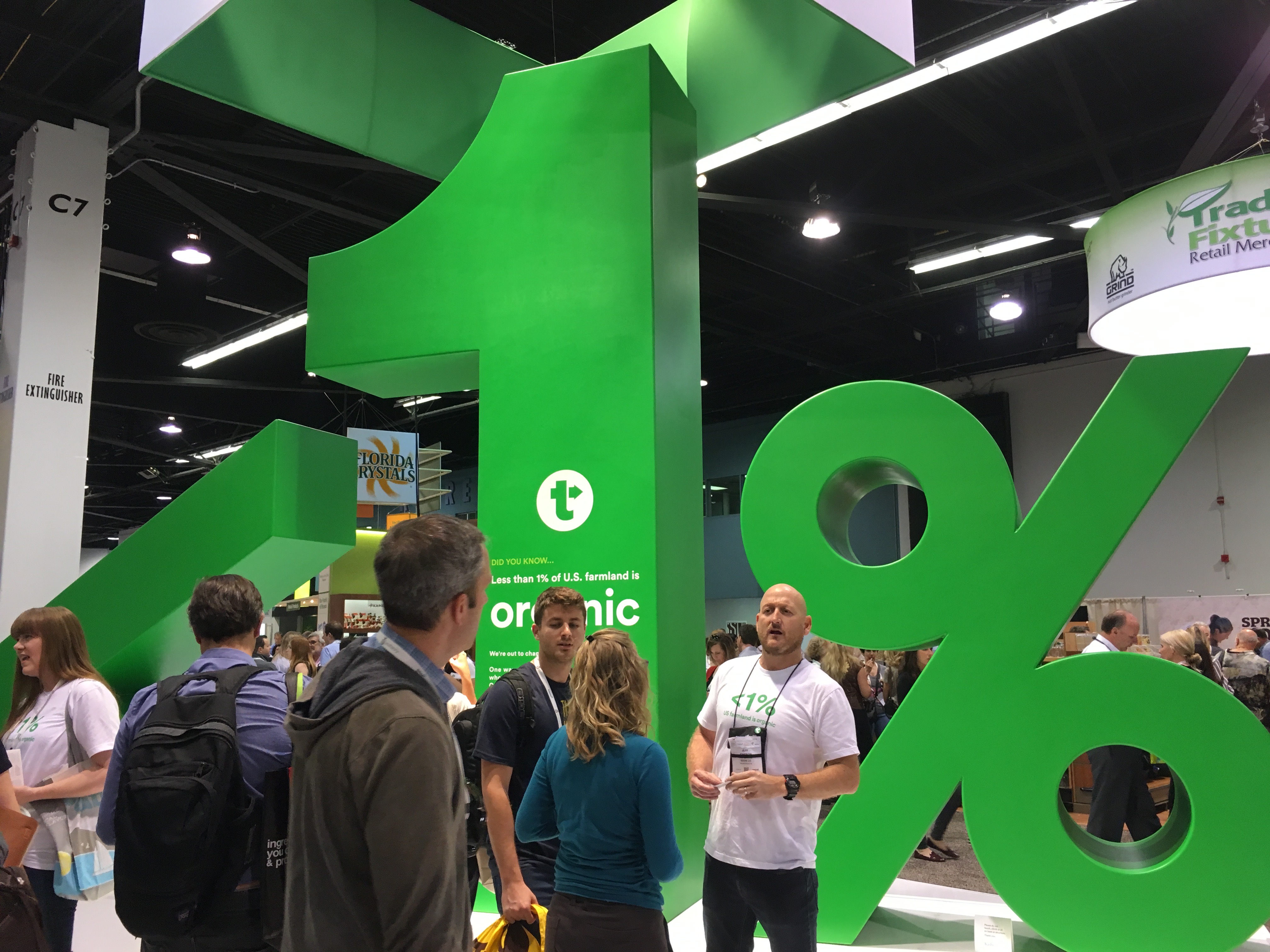
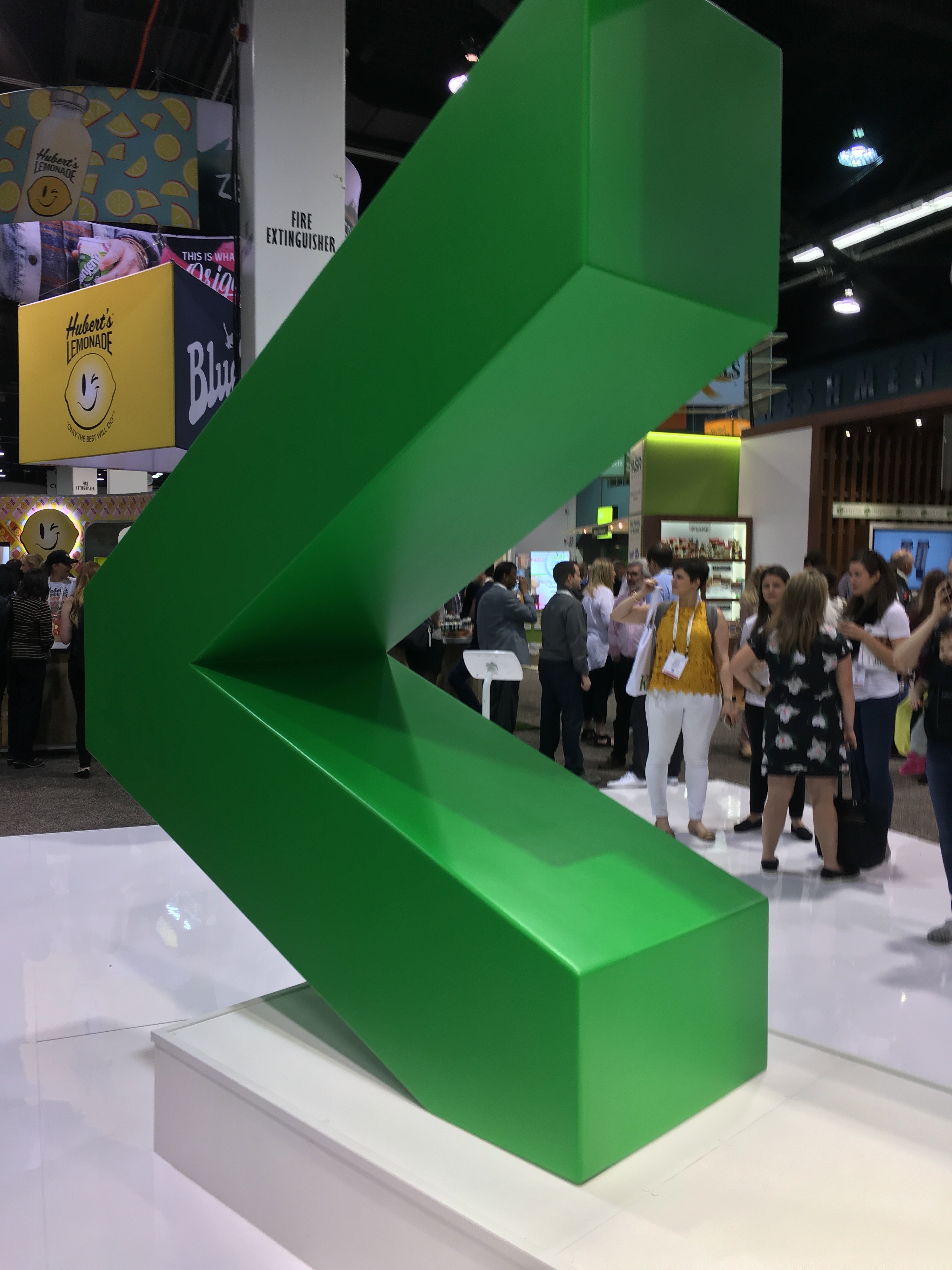
What is unique? It’s something that no one has thought of before. An exhibit that I saw in the last year at Expo West in Anaheim was nothing more than a large “1%” that dominated the entirety of the booth. In the booth, by Kashi, there was a small sign that explained that the 1% referred to the amount of organic farmland in the US. That unique approach, along with well-informed booth staff, made for a presence that really stood out.
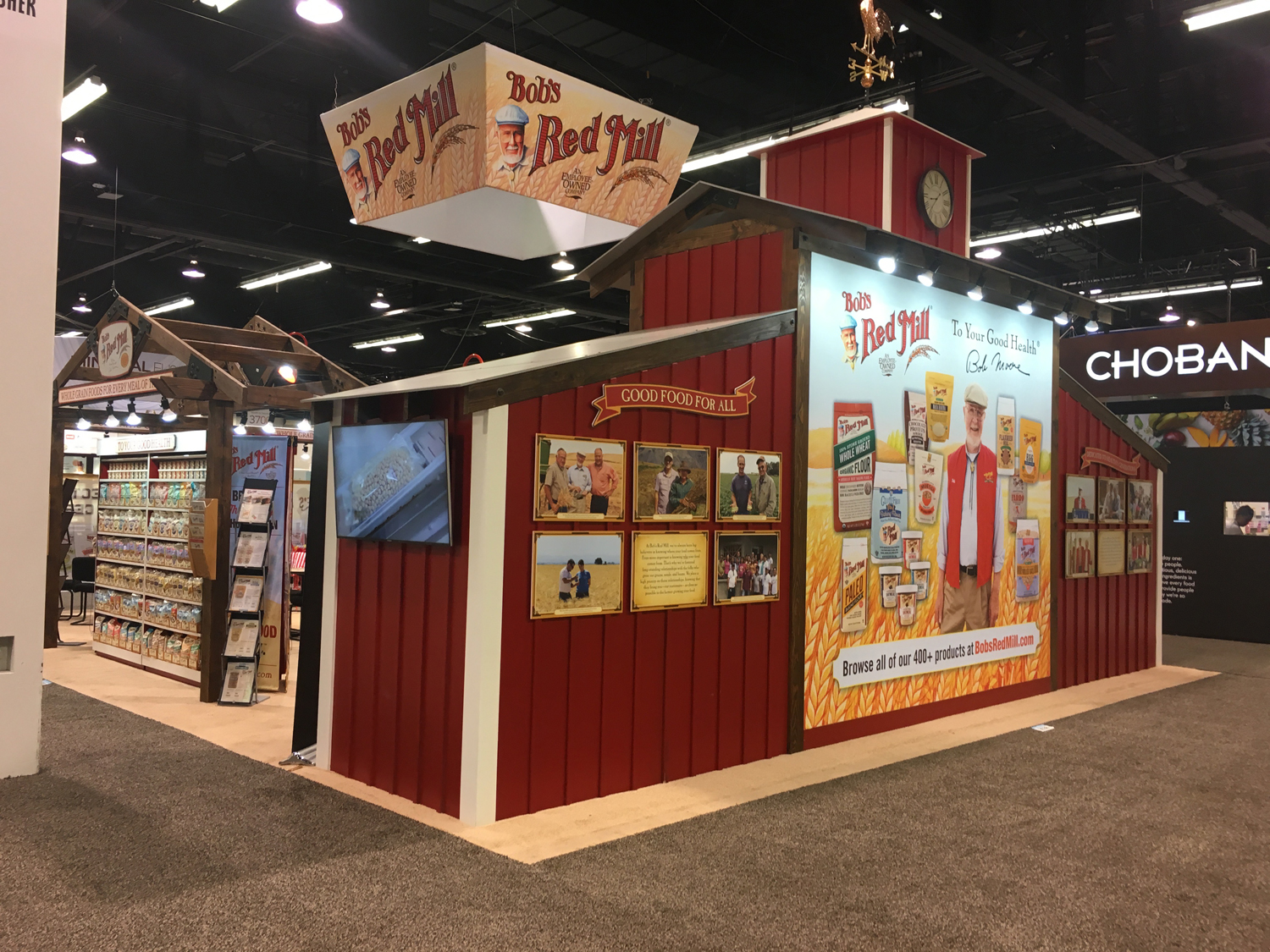
Another way is to have an exhibit that represents your brand so well that frankly, no other exhibitor could have that exhibit. If you’re familiar with Bob’s Red Mill, you know that their brand is the iconic face of Bob Moore, and a red mill. Their exhibit shows that red mill down to the T. Bob Moore, in his late 80s, still represents the brand at the bigger shows, signs books, gives them away, and poses for pictures. Another way the company stands out at Expo West is when Bob and a small Dixieland band make an entrance every morning, marching throughout the show floor, finally ending at the booth.
Other exhibitors stand out by having unique hands-on activities, mascots, celebrities (in the industry), unusual giveaways and more.
Standing out is critical to getting attention. What can you do to stand out?
Jim Palmer is a business building coach and marketing expert and host of the Dream Biz Coach TV and Dream Business Radio. Yet, somehow, among all of that, he found time to chat with me from his boat in Florida recently about business-building:
Drawing a tradeshow crowd is the boiled-down essence of the reason for exhibiting at a tradeshow. With hundreds or thousands of competing tradeshow exhibits, every single one of them wants to find a way to draw the biggest crowds throughout the tradeshow. Having a crowd – and knowing what to do with it – is the best path to success in your tradeshow marketing endeavors.
Given that, let’s take a look at ways you can spend a little money and draw a crowd.
Hire a pro. Professional presenters know what they’re doing. They will put together a short presentation designed specifically to not only draw a crowd but inform and educate the crowd about your product or service.
Have an exhibit that is visually appealing and feels comfortable to walk into. Many exhibits look great but feel intimidating and will turn people away. Does your exhibit invite visitors to come in?
Do consistent pre-show marketing. Letting people know what to expect at your show is one of the keys to getting people to make a special trip to your exhibit.
Leverage your social media activity. Make sure that all posts include the show hashtag and your booth number.
Have a famous person in your exhibit. No, you can’t hire the Brad Pitts, George Clooneys or Jennifer Lawrences, but you can hire an author or speaker that is well-known in your industry to draw a crowd.
Have a well-trained and fun booth staff.
Offer food. Yes, at a food show, you won’t stand out that much. But at a non-food show, it can help draw a crowd. One exhibitor I saw years ago at a tech show made smoothies for visitors. Since it took a minute or two for each smoothie to be made, the staff had plenty of time to chat with folks in the smoothie line to determine if they were prospects or not.
Offer a unique giveaway. Promotional items are a dime a dozen, but if you are offering something useful and cool, word will get around.
And remember – once you have drawn a crowd, be sure you know what to do with them!
As an exhibitor, or someone who manages an exhibit program for a company, you have oodles of details to keep track of each and every show. This often means you don’t have time to stop and ponder the very act of exhibiting at a tradeshow. But sometimes taking time to do just such a thing is a good thing. These questions are not aimed at the logistics of your exhibit, but are pointer more towards the internal conversation you may have with yourself and how you and your staff approach the act of marketing while standing in a tradeshow booth with the intent of finding potential clients or customers.
Do you have any blind spots?
What are your hidden strengths?
Are you really focused on the things that are important?
When it comes to networking, do you push your comfort zone or do you play it safe?
How well do you take care of yourself during the few days of the show?
Does everybody on your booth staff know all of your products or services well enough to talk about them fluently?
Do you sometimes talk too much to visitors just to fill time instead of letting them talk?
Do you have three good questions to start a conversation centered on the needs your product or service fulfills?
What information do you need to determine if a visitor is a prospect or not?
Once you qualify a visitor, what precise information do you need from them to move forward?
Are you comfortable you’re doing all you can to maximize the company’s time on the tradeshow floor without doing too much and getting burned out?
Do you have a tested plan to gather all leads and get them back to the sales team in a timely manner?
I could go on and on, but the point is to have you examine your involvement in tradeshow marketing from a different perspective and see if you could find some areas to improve. What questions should you be asking yourself or your team?
Author, keynote speaker and event expert Steve Miller joins TradeshowGuy Tim Patterson to talk about his new book “Uncopyable,” and to discuss the event industry.
This week’s ONE GOOD THING: the movie Darkest Hourstarring Gary Oldman as Winston Churchill.
A tradeshow floor sales call is something a little different than a typical sales call. Okay, it’s a lot different. Let’s compare.
With a typical call, whether in person or on the phone, a sales person will research the prospect, sometimes to the point of reviewing their LinkedIn Profile, the company, the possibility of doing business, their needs in regard to the offered service or product and maybe more. Sometimes the sales person just has an inkling that the target prospect may have a need for the product or service and they just make a call with little more to go on, figuring they’ll either uncover a need or disqualify them and remove them from a prospect list. Either approach is valid and each sales person has their own system for making contact and determining potential.
On the tradeshow floor, a sales call is something different. Not altogether different, but it is different than a typical sales call. The floor is controlled chaos with hundreds of people near your exhibit, either walking by or stopping if your exhibit has done a good job of pitching a proper message.
Once the person stops, the conversation is usually faster-paced, with an eye on qualifying or disqualifying quickly. A prepared booth staffer will have a few questions at the ready, and use them to find out if the visitor is a prospect. If they are, the next questions will determine if they’re in the market currently (or soon), if they make the buying decision and if they have the money to spend. As Richard Erschik put in in a recent interview, the five questions a staffer should have at hand are:
Do you currently use our product?
Are you considering the purchase of a product such as ours?
If so, when?
Do you make the buying decision?
Do you have the money to spend?
In a more typical sales call, where the sales person is either on the phone or in their office, the conversation is a more nuanced approach, covering agreements on the amount of time agreed upon, the agreement that if there is no need for the product that the prospect will be honest about that, and if there is a need, the two parties will agree on the specifics of the next step.
During a tradeshow floor sales call, the timing is quicker – mainly you cut to the chase. If the visitor is prospect, determine the next step. If not, politely disengage and move on to the next person.
A tradeshow floor sales call may take place dozen, maybe a hundred or more times during a day, as opposed to just a few calls in person on location, or on the phone.
Knowing what to expect and being prepared will give you a distinct advantage over your competitors who are at the show without a concise plan.
Welcome to a new year – so glad you found us online! This week’s interview on the TradeshowGuy Monday Morning Coffee features the author of a new book called “Flying Cars, Zombie Dogs and Robot Overlords.”Charles Pappas, a senior writer at Exhibitor Magazine, was kind enough to sit down with me and discuss this unique historical look at expos, exhibitions and tradeshows:
This is a guest post by Patrick Foster, ecommerce entrepreneur & coach: “tradeshow essentials for luxury ecommerce brands.”
Get ready to impress — it’s time to meet your discerning customer face-to-face. For a luxury ecommerce brand, attending a tradeshow provides a great opportunity to make some sales and do some important market research. Not only will it give you the chance to meet customers face to face and promote your products in a completely different way, but you will also be able to see what the competition are doing. As all luxury brands know, staying ahead of your competitors is essential when it comes to standing out in a lucrative marketplace…
Here are six essentials to help you make the most of your next tradeshow in the luxury ecommerce market!
1.Decide on your strategy
Having a solid strategy in place is essential for success at tradeshows: from who needs to attend, to how you’re going to market your stand and generate leads post-show — everything needs to be mapped out well in advance. If not, you run the risk of wasting valuable marketing budget on a poorly executed show. It’s also a good idea to marry your offline/online marketing and create a tradeshow landing page (or at least blog and post about it in advance).
There are hundreds of tradeshows out there for ecommerce brands to attend – so it’s really important that you do your research and choose to attend the ones that best fit your overall brand strategy. It’s a bad idea to stress your business out by attending too many, or only going to the ‘safe shows’ where you stand to learn nothing new.
In the same way that you would review any other platform before deciding to promote your ecommerce business there, the tradeshow you choose to attend needs to fit your goals and objectives. Speak to previous attendees and delegates and spend time quizzing the sales team before you sign up.
2.Plan an engaging & aesthetic stand
In the luxury market, your aesthetic says it all. Generally more understated and elegant in tone, luxury brands need to convey their heightened sense of self with a cohesive and ultimately beautiful stand. Color schemes and decorative flourishes need to highlight the more exclusive nature of what you’re offering. Look at fashion show centerpieces for inspiration.
This also means ensuring that your branding is 100% professional, and that you have a good amount of high-quality literature available for attendees to take away with them. For a luxury brand, you will want smaller print runs of high quality tokens and mementos, rather than a load of flimsy flyers. Samples and token boxes are good thing to give away to potential prospects or partners.
You also need to make sure that you have enough staff available to deal with enquiries, and that they also represent your company well by appearing smart and professional. Get your best people on the ground, including some people from sales and customer support who have firsthand product knowledge.
3.Showcase your products effectively
It’s important to take a selection of products with you to display on your stand. And ensure they are showcased and displayed in the most attractive way possible, constantly patrolling the stand to ensure that the first reaction is ‘wow’. For a luxury brand, more is probably less — so only take your big sellers with you.
You need to make sure that your tradeshow offering mirrors the images that customers (or potential customers) have seen on your website. For luxury products especially, it’s essential that they are presented in a way that reflects their superior quality – you need to make them stand out and look desirable. Think of it like dressing a set before taking a perfect photo.
4.Know your stock levels & capacity
If you’re going to actively take customer orders on your tradeshow stand, then you need to make sure that you know your stock levels or delivery capacity well in advance – just as you would monitor them when selling on your online store. Otherwise you run the risk of overselling, disappointing prospective customers and damaging your reputation as a result when you can’t fulfil orders fast enough. Luckily, most online store systems have built-in dashboards and inventory management systems to help you keep on top of everything when you’re on the go.
5.Make sure you capture data
Attending a tradeshow means one thing in particular – the opportunity to meet lots of prospective customers and business partners. In order to maximize this opportunity, you’ll need to capture the email addresses of visitors to your stand in order to build a specific mailing list for your email database. Offering incentives such as discount codes or other offers can encourage attendees to give you their details.
In order to mirror the seamless online experience that customers have when shopping online, why not capture this data via a tablet? The visitor can even enter their details themselves and the data can then be imported into a database straight away – a win-win situation!
As people spend more and more time attending tradeshows, they can become more reluctant to part with personal data. That’s fine — you don’t want unengaged people clogging up your email list anyways. Don’t get too obsessed with capturing data — it could harm your brand reputation.
6.Make sure you follow up on leads after the show
After going to all that hard work you need to ensure you follow up to qualify any potential leads. This means sending an email to customers to thank them for visiting your stand, or sending over other content that’s specific and timely. If you receive any queries back, it’s also important that you respond to these as soon as possible to ensure that you come across as a brand that gives good customer service – something that’s so important for anyone breaking into the luxury market.
Create some awesome content about the show and what you’ve learned in order to make the most of the event. Use the event as marketing collateral over the coming weeks and months.
When it comes to attending tradeshows, the most important thing to remember as a luxury ecommerce business is that your in-person offering mirrors your online offering. The two should be seamless in terms of presentation, offering, and service, in order to attract customers or attendees and drive sales as a result.
Patrick Foster, ecommerce entrepreneur & coach.
I’m Patrick Foster and I write about ecommerce and digital technology trends. I’m passionate about helping ecommerce merchants reach their audiences online. You can find my blogs, articles and resources across a variety of entrepreneurial websites aimed at digital growth.