What day is it? Are you counting how many days since you’ve been on shelter-at-home protocols? Or are you in a state that has abandoned all attempts to limit the spread of COVID-19 and things are getting back to normal? Which begs the question: what is normal?
This week on TradeshowGuy Monday Morning Coffee, I caught up with Dale Obrochta of PutATwistOnIt.com, who’s been a previous guest on this show. We talked about the challenges his profession is facing in the new normal.
Now, we can certainly agree that a lot of activities can pump up your lead generation numbers. But when it comes to things that are (almost) foolproof, here are the top five that come to mind for me.
Professional presenter
Interactivity + follow up
Hands-on demo
Pre-show marketing / appointments
Trained booth staff
Let’s agree that on the tradeshow floor, you don’t have total control. You can’t control how many people find your booth, you can’t control the organization that’s promoting the show, you can’t control your attendees and so on. Which means that no matter what you do, you may still fall short.
But.
Having a professional presenter, one that really knows their stuff and how to present your company to your attendees, over and over, several times a day throughout the show, is often seen as one of the surefire solid ways to get more leads. Just make sure your booth staff is ready for the influx of people and know how to handle them before they get away when the presenter is done.
Interactivity + follow up. Interactivity can mean a lot of things, but for the sake of argument, let’s narrow it down to something that relates specifically to your product or service.
Hands-on Demo. Perhaps slightly different than interactivity, this is an actual demonstration where your booth visitor actually, physically, learns a little more about your product. Say, a software demonstration, or a class in the booth space that teaches while they have their hands on the product.
Pre-show marketing / appointments. Setting appointments prior to the show, getting the one-on-one meetings on to a prospect’s calendar, is often the best way to ensure you have an audience of one that is focused on your message.
Trained booth staff. How important is a trained booth staffer? Probably the most important thing you have going for you other than your actual products and services. Worth their weight in gold. Make sure your staffers know how to answer questions, capture contact info, do a demo, put on a smile, and act appropriately in the booth (no phone in their hands, no eating, and so on).
There are dozens of other things you can do, but these are the top five in my book.
Here on Star Wars Day (May the Fourth be With You!) I spend a few moments on discussing working from home, and how things have changed – and haven’t – in the COVID-19 Pandemic.
Working from home these days, but still having to attend virtual meetings? Been there, done that. In fact, I’ve used Zoom to record interviews for my vlog/podcast for nearly four years. It’s not always perfect, in fact, usually far from it. But you can do a few things to make it much better, both for yourself and other meeting attendees.
One on one meetings
These are the simplest, as you might imagine. The main goal is to have a well-lit image and to have sound that is easy to understand.
Video: lighting is probably not critical on small intimate meetings. Not a big deal. But if you want better lighting, experiment. Some people like to go all out and purchase lights, such as ring lights, and get a green screen for a background so they can put up a fantastic scene behind them. Not that important. Cool, maybe, but in a sense it’s a distraction. Natural light usually works best, unless its backlight. If you are sitting in front of a window with daylight coming through, and your face is not well-lit, your meeting guest will see you almost as a silhouette. Close the blinds and get some light on your face.
Audio: If you can avoid using the microphone on your laptop or desktop, do it. I use a USB microphone with its own headphone plug. That way I get a good sound both for the recording and for the guest. If I can get the guest to use something other than their laptop microphone, their sound will usually improve. Not everyone has, or wants, a USB microphone, so you have to make do with what’s available. Often the sound from AirPods or the microphone from a pair of earbuds works well. Or at least better than the sound from a laptop microphone. The other downside of using the built-in microphone and speakers from a laptop is that the sound your guest hears isn’t as good as it might be with headphones of some sort.
One-on-Many Meetings
If you’ve got a meeting with more than a dozen or so people, know where your MUTE button is. It’ll come in handy when some guest has a barking dog nearby, or a train going by, or someone with a leaf blower outside their window. And yes, it’ll happen.
Mute yourself as well, when it’s not your turn to talk.
More Tips and Tools
Wirecutter’s article Use Zoom Like A Pro includes a lot of other items such as screen sharing, silencing desktop notifications, Zoom’s scheduling features, and keeping unwanted guests out of meetings. Lots of good tips here, worth a read.
Other Things to Remember
I upgraded to the latest version of Zoom in the past few weeks and was caught off guard with a new feature: the waiting room. It took me a few moments to realize that I had to manually allow guests into the Zoom room, when prior to that a new guest just showed up with video and audio on.
Also, when you log in now, you’re asked to join the audio. It’s a button at the lower left side of the app. If you don’t do that, other people won’t be able to hear you and they’ll just have to wave at you until you figure it out.
Keep pets and children out of the room. Yeah, right. Not always possible. But let other household members know that you’ve got a Zoom meeting coming up and need the space and time to make it happen.
We’re all in a quandary: what to do to work our way through the Coronavirus COVID-19 Pandemic and still work with clients in a meaningful way. For this week’s TradeshowGuy Monday Morning Coffee, I caught up with two busy marketers, one in the tradeshow world, and one not.
Ken Newman of Magnet Productions and Robert Middleton of Action Plan Marketing agreed to sit down with me one-on-one in Zoom meetings. I was curious to get their take on what to do and how to approach the current unprecedented situation.
WFH. Stay at home. Shelter at home. Essential businesses only. Restaurants closed. Event industry shuttered.
Are you staying in touch with your clients? Are you doing any outreach to prospects or have you just put it all on hold?
No one answer fits everyone as we are all dealing with the Coronavirus COVID-19 Pandemic in different ways. We’re all in a different situation: some of us have worked at home for years but find that their clients are no longer as easy to connect with. Some of us have been furloughed indefinitely. Some of us have been able to collect unemployment, others are catching up with projects at home.
But the question arises: how do you let your clients and prospects know that you’re thinking of them? Sure, you can schedule a Zoom call, and maybe you should. You can send an email. You can pick up the phone.
But what if you took it one step further? I thought about the question and reached out to two promotional products professionals for ideas on what kinds of branded items might be appropriate to send to contacts to let them really know that you haven’t forgotten them.
Let’s start with Rama Beerfas of Lev Promotions in Southern California, who was a podcast guest in the past month or so. She offered several items that she felt would be worth considering:
Mini gourmet cookies
LED reading light with wireless charging
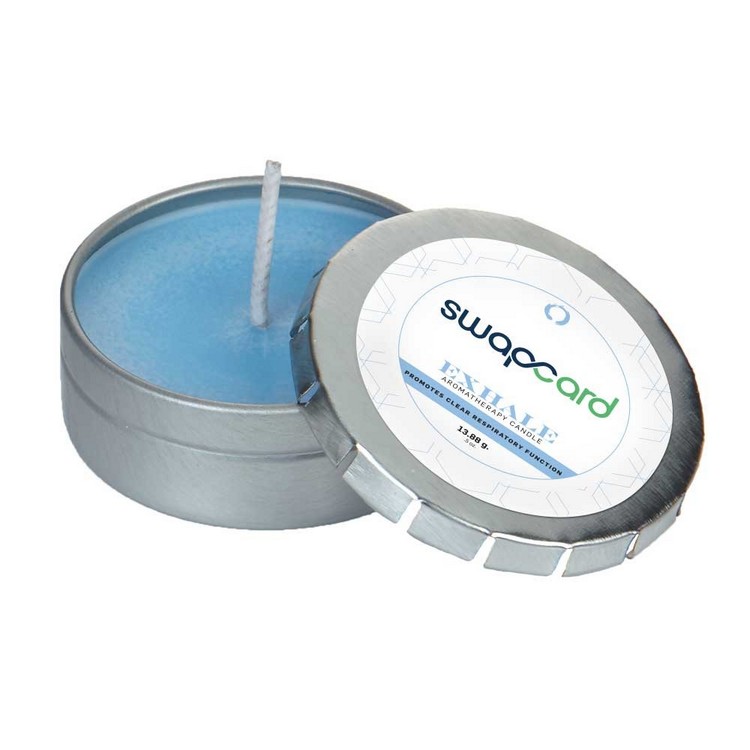
Aromatherapy candle in push tin
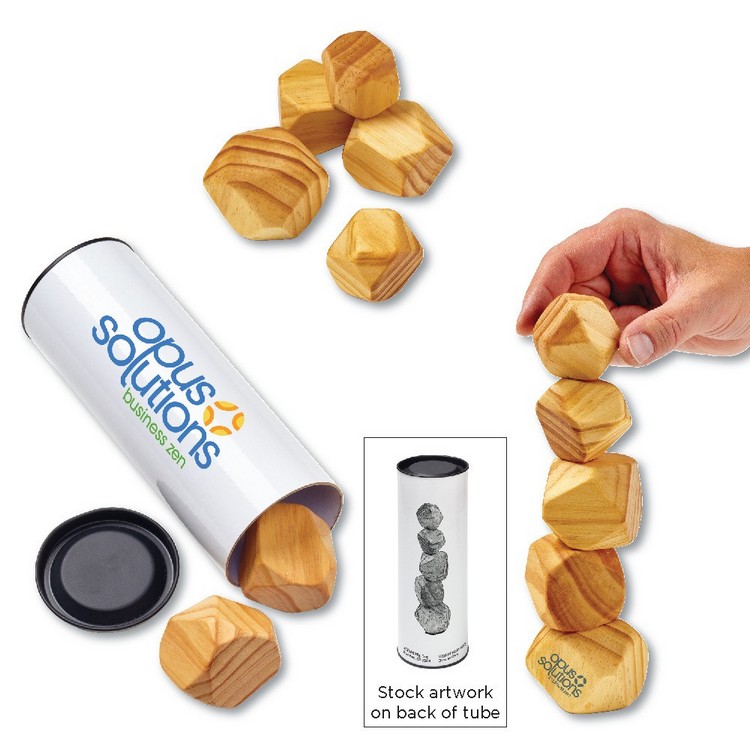
Wooden Stacking Zen Stones
Wooden Massager with Textured Wheels
Soft Touch Velura Throw
Earbuds
Ceramic Mug
Custom trail mix
Gummy bears
Smoked Almonds in Gift Box
Bubbles
Shake-a-Word game
Pick-up Sticks in Wooden Box
Oval Deck of Cards in Plastic holder
In other words, lots of good ideas for the WFM colleague. Check out the whole list with images and pricing breakdowns here.
Nicole Titus of Ipsenault Company based in Salem, Oregon came up with several ideas:
A box filled with movie night treats
Stainless wine tumblers with a message to take part in an on-line happy hour sometime in the future
A bag of coffee/mug set with a message to schedule a phone meeting
Adult coloring books and kid coloring books (as well as sidewalk chalk) to give families something to do while stuck at home (these are not very expensive so it’s a little trickier getting them to individual recipients).
Seed packets or other gardening-themed items (especially as we’re entering Spring)
Fitness products (for stay-at-home workouts)
Imprinted face masks (there are a few companies doing imprinted ones now)
She also referenced a number of stay-at-home kits that some of the production companies she works with have put together, including:
Business Travel kit: shampoo bottle, soap, toothbrush, toothpaste, tissue pack, comb and ear plugs.
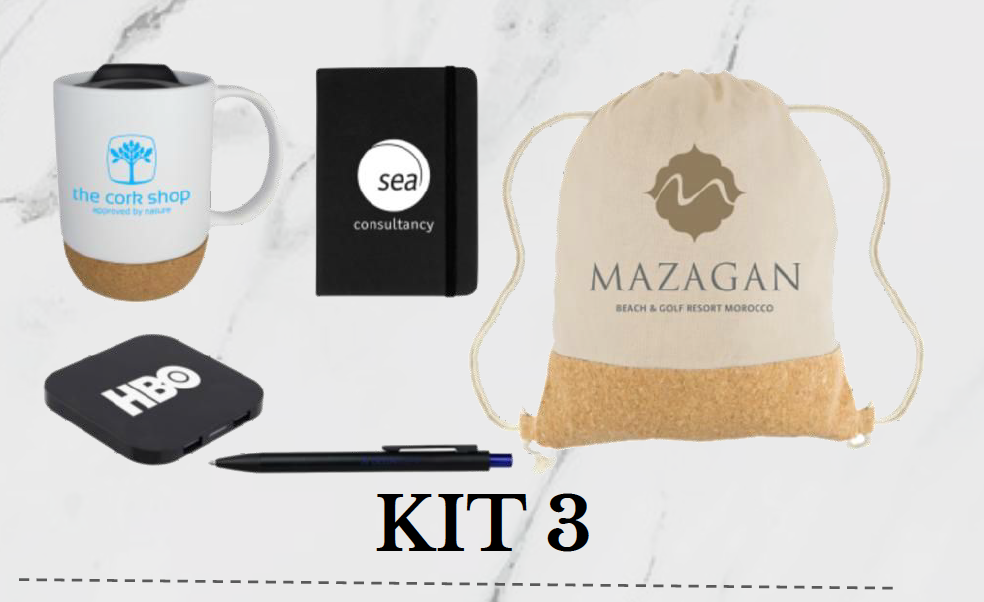
Chill-at-Home Work Kit: Eco Carrying Bag, ceramic mug, silver stylus pen, USB fan, rubber coaster
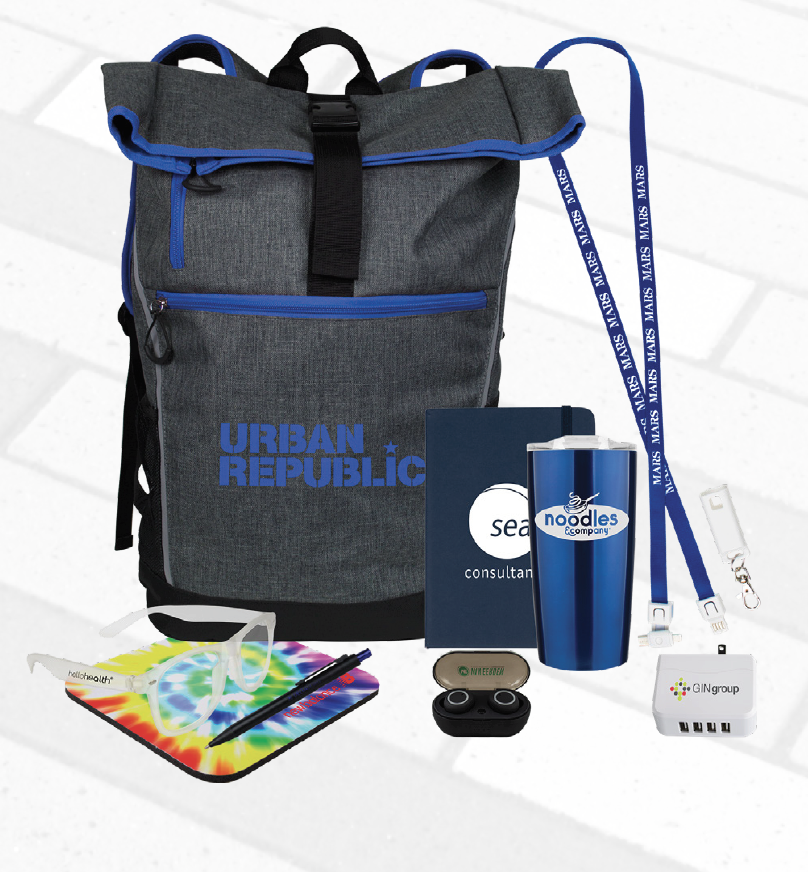
Home Office Kit: Eco-Carry shopping bag, spiral paper notebook, wireless earbuds, blue light blocking glasses, mouse pad, microfiber cleaning cloth, vacuum insulated tumbler, metallic gripper pen.
All of these items can be imprinted with your logo, and of course pricing can range from low and modest to high. It all depends on your budget and what kind of impression you’d like to make.
The Coronavirus COVID-19 pandemic is monkey-wrenching so many things, it’s hard to keep track. One of the challenges that some people might face could include having to deal with a major home or business issue having to do with the building they live in or work out of.
On this week’s TradeshowGuy Monday Morning Coffee, we get a little away from the event and tradeshow world, to a more general home and business approach. Garrett Greenberg of Fortifi Financial works with a real estate program that is specifically designed to loan money based on the equity in the property, not on the home owner or business owner’s credit score or income. For example, a leaky roof or a cracked foundation may get worse over time if they aren’t dealt with. Garrett explains how it all works.
The tradeshow, event and conference industries are not dead. It’s just sleeping. It’ll awaken at some point again and roar to life.
In the meantime, time on your hands. Maybe, maybe not. I certainly have time on my hands. And I have to bring in a little income.
So, I’m driving for Uber Eats and delivering food three to four hours a day. Not bad money, actually, for the time involved. My older son, who’s in his late 20s, had been working as a cook in an upscale restaurant which had to close when the coronavirus restrictions here in Oregon went into place. When we went skiing together a month ago, he told me that he’d been driving for Uber Eats a few hours before he went to work, and then a few hours after he got off in the evening. Now that the restaurant closed, he’s doing it eight hours a day, six or seven days a week. Likes being in his car (it’s new), listening to music, and bringing food to people.
I thought, I can do this. And making a few extra bucks (it’s actually pretty good pay) was enticing. It took a short while to get signed up and approved, and now I’m delivering food from restaurants to people a few hours a day. Sometimes lunch, sometimes dinner.
It gives me a lot of time to think. And listen to rock, or podcasts. But definitely time to think.
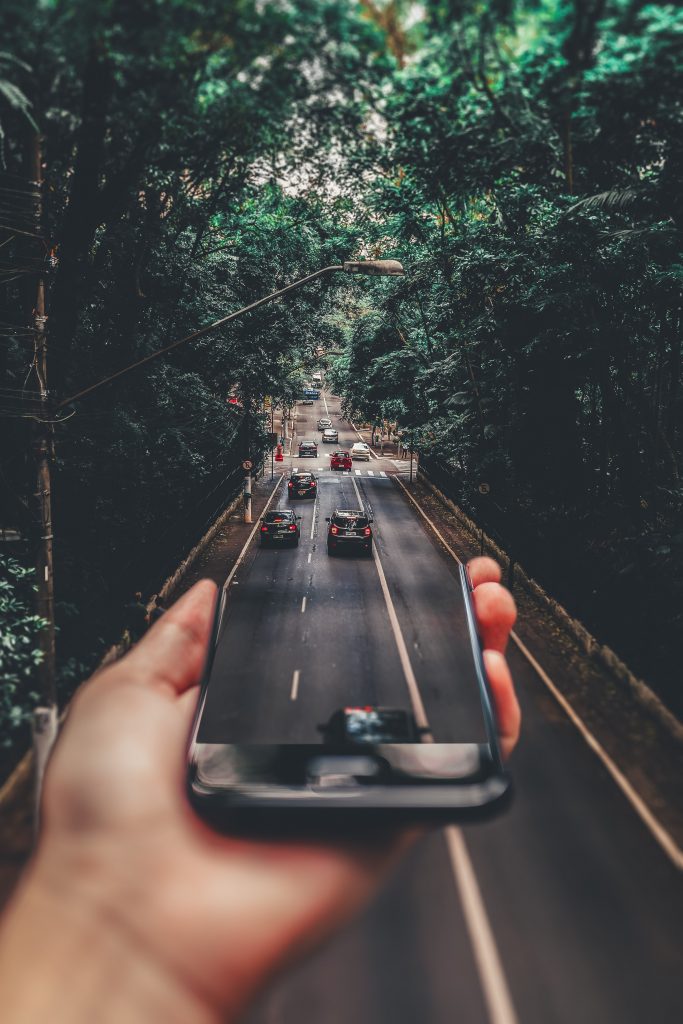
And I got to thinking about systems. What kind of systems does it take for an Uber driver (or Door Dash or Grub Hub or any of those companies) to get an offer to drive, accept it, pick up the food and deliver it in a timely manner while it’s still hot?
The driver needs:
A car
Smartphone with app
Address to pickup
Address to deliver
The smartphone has all of those items, other than the car, built in. GPS. Mapping. Internet connectivity.
The customer needs:
An app to order food from
An address for the driver to deliver it to
A way to pay (credit or debit card) they can use through the app
The restaurant needs:
A system that receives incoming orders and gets them to the kitchen in a timely manner
Ability to prepare food quickly and have it ready for pickup within a few moments
As I drive from a restaurant to a drop off point, it’s common to get another offer to pick up another order before the current one is delivered.
During my drives, I keep thinking what an intricate system this is. What an elaborate dance it is to transmit an offer to a driver that’s in the area, about to drop off one order, to deliver another order. As an Uber Eats driver, it’s all optional. Don’t want that one? Don’t take it.
Then I get to thinking about the systems built around tradeshows and events. About what the show organizer needs. What the exhibitor needs. What the visitor needs.
Think about the systems that must be in place for all of that to work to a positive effect on a regular basis. Design and fabrication of tradeshow exhibits. Shipping, setup/dismantle logistics. Travel and lodging. Product development and production.
As a participant, you only can see and control what’s immediately in front of you. But as a tradeshow marketing manager, you can exert a lot of control over how your company exhibits. How your product is presented, how your company is represented by the exhibit and the booth staff. Who sets up the booth, who handles shipping and so on.
Now that the tradeshow and event industry is on hiatus, maybe it’s a good time to examine your systems that hold everything in place from your perspective and see what can be improved.
After all, while I don’t mind driving a few hours a day delivering food, I’d rather get back to the tradeshow world full time soon.
When is a branded promotional product a good idea? You’ve seen them all, right? Pens, letter openers, tins of mints. But choosing the right promotional product for a company or product is as much an art as science. Rama Beerfas of Lev Promotions joins me to talk about the promotional products industry – and getting the right branded product for the right situation.
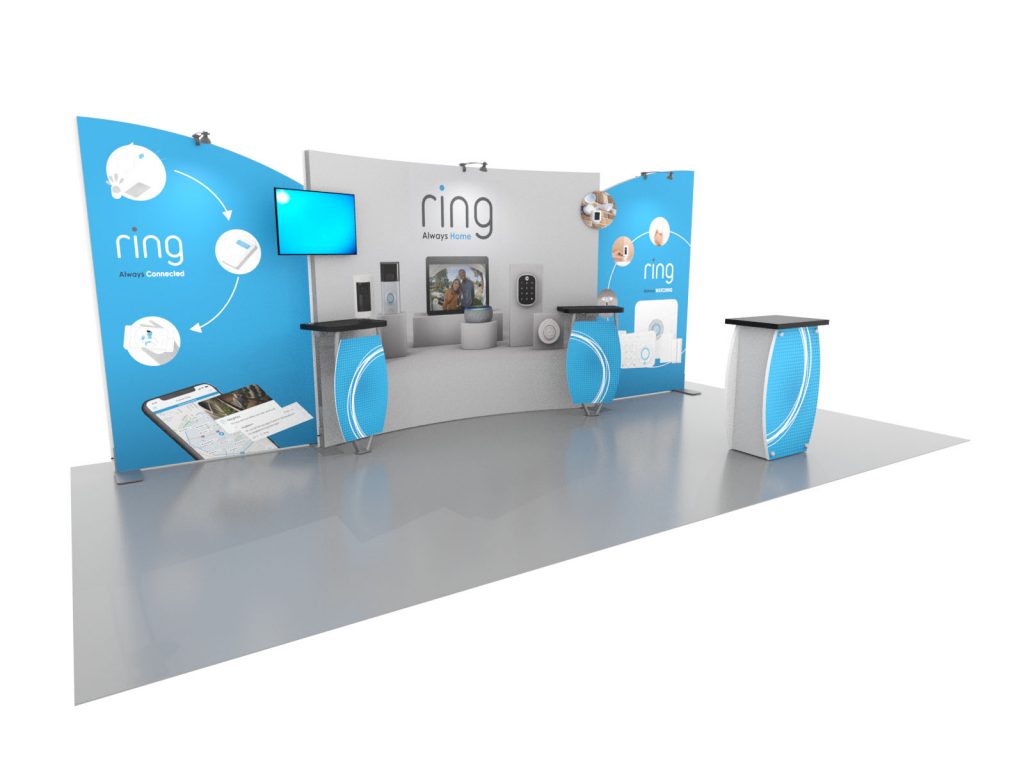
We’ve mentioned tradeshow exhibit rentals several times in this blog and on the podcast. Most of what you can learn about exhibit rentals is already here. But to make a finer point of it, let’s recap:
Pros of tradeshow exhibit rentals:
Don’t have to store the exhibit
Costs much less than a new exhibit
Easy to re-shape and move into different sizes
Short-term commitment
Flexibility
…and more
Cons of tradeshow exhibit rentals
Cost can add up: after renting a few times, you’ve paid for the cost of a new exhibit
Have to keep coming up with a new idea or design for every show
It’s not yours; after the show the money you spent is gone and you have no exhibit
Bottom line, there are no wrong answers. Only answers that fit an exhibitor’s specific needs, goals and situation.
But the final thing to remember about rental exhibits is this: it’s there when you need it, gone when you don’t. And sometimes that’s the best thing.