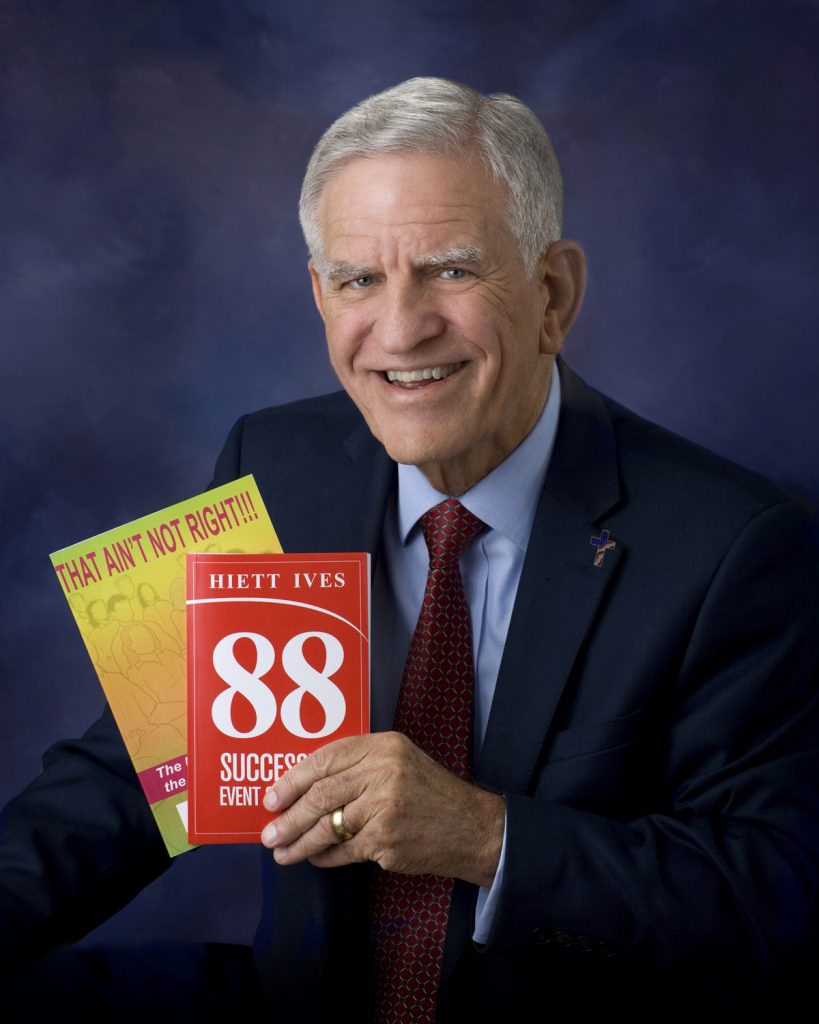
Hiett Ives is a four-decade veteran of the tradeshow industry. He publishes a weekly newsletter on language that is short and fun to read. Hiett also helps companies gather more leads at tradeshows with his company Show Dynamics.
Check out our conversation on this week’s TradeshowGuy Monday Morning Coffee:
Everyone is different, yet everyone is the same. We all
attend or exhibit at tradeshows with things we need, and if we end up there
without those things, we feel like part of us is missing. Here’s a short list of
things that I always take on the road to tradeshows. I mean, beyond the
clothing and other stuff that ends up in a suitcase. Here are a few things I’ll
have with me when I head to the show floor at Natural Products Expo West in
early March:
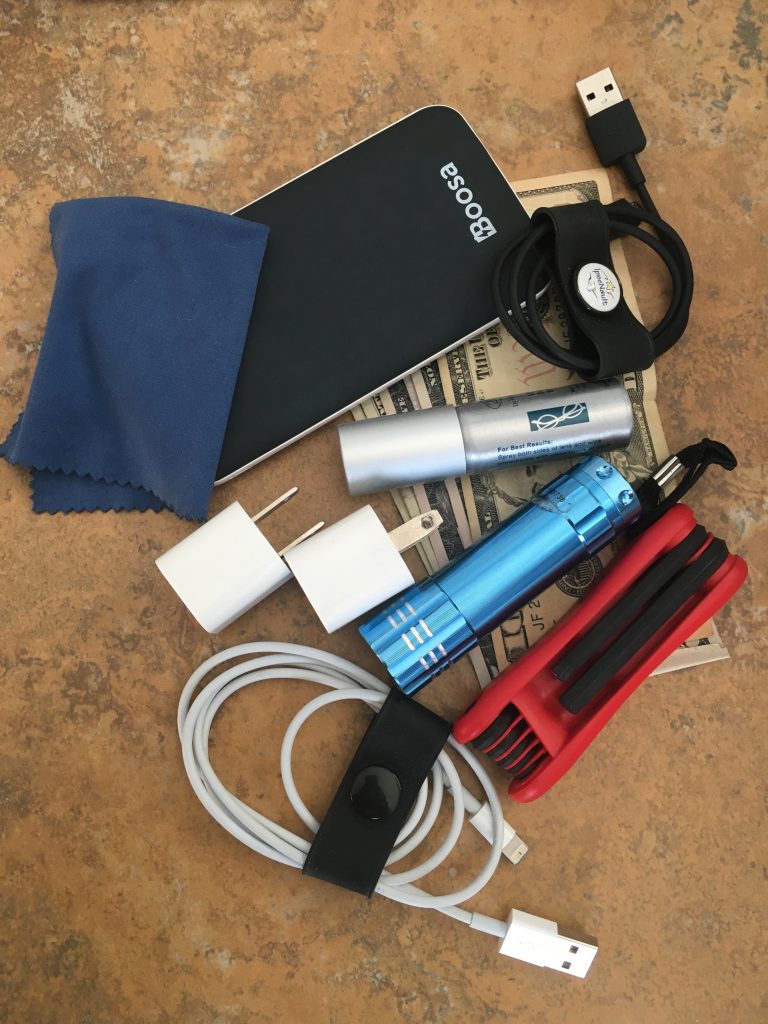
Charging cord and plug-in adapter for my phone
iPhone 6S: holds thousands of photos and songs, not so mention show apps and a million other things.
Boosa charger: this is the best I’ve had. It holds enough juice to re-charge my iPhone 6S at least four times before it needs to be plugged in again. Great to have on the show floor.
Laptop: while I suppose I don’t really need this I’d feel lost without it. It’s a 2011 MacBook Pro that’s been upgraded a couple of times and runs like a clock. Great to offload photos, do some writing and blogging, surf the web in the Airbnb. More comfortable with this than an iPhone for handling email or writing or sharing social media.
Spare key locks for client counters: most of these counters use the same lock, and it seems that the keys can easily go missing, so I keep a few in my backpack.
Backpack: where would you be without it, right? Like a purse, only bigger and it fits easily on the back.
Reading material: often it’s a piece of fiction, but sometimes something else.
iPad Mini 2: It doesn’t get a lot of use, but on the plane I find that it’s great to pull up something from my Kindle app and read.
Allen wrench set: always handy on the show floor.
Fitbit: belt version, not a wrist wearable. Plus extra battery because of course when you’re on the road, that’s when the battery dies, right?
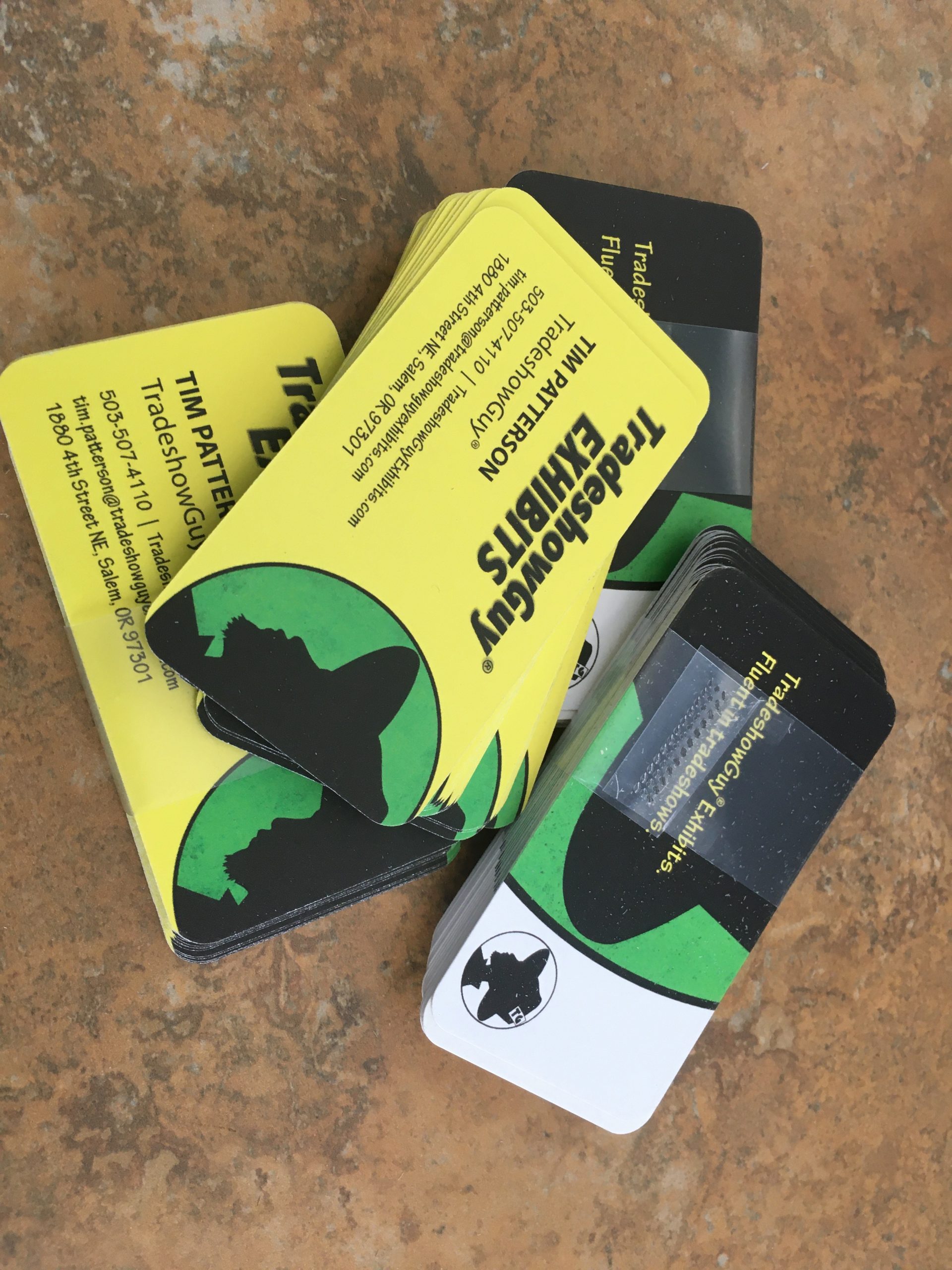
Business cards: more than I think I could possibly need.
Rubber bands: always need a few of these to keep the business cards from spewing all over my backpack pockets.
Cash and a couple of credit cards. I don’t carry much cash, but a little comes in handy. Most everywhere takes cards, credit or debit.
Eyeglass cleaner spray with a mini-cleaning rag
Mini-flashlight: you never know when this will come in handy.
If you’re sitting on an airplane, there are certain rules
that need to be followed. First and foremost, the attendants and the captain
are in charge. In fact, on each and every flight I’ve been on, they remind you
that federal law dictates that you must obey any instructions from flight
attendants.
If you’re playing golf, there are rules upon rules about addressing the ball, putting, where you can take a drop and so on. Same with basketball, climbing a mountain, lifting weights. Some of the rules are well-thought out and dictated by organizations that manage the sport. The NBA, for example, can have different basketball rules than the NCAA. Or different football rules. Some rules are just plain common sense but aren’t written down.
When it comes to tradeshows, as an exhibitor or an attendee,
as part of the agreement that allows you access to the hall, you agree to
certain rules. If you’re an exhibitor, there are dozens and dozens of rules
about the exhibit you are allowed to set up, heights, fees, and so on and so
forth.
Unwritten Rules
What about rules that may not be written down, but are just
common sense? No doubt most of these are just rules of polite society: don’t be
a jerk, treat people as you would like to be treated, and so on.
There also several unwritten rules of etiquette that you should adhere to. No eating in the booth, no sitting in the booth, greet visitors with a smile and a great engaging question, being on time when you’re scheduled to work.
But about the tradeshow floor itself, rules are again often
unspoken. Let’s check in on a few.
Suitcasing is a term for someone who is walking from exhibit
to exhibit and trying to pitch their product or services. Or they occupy space
where people are coming in and out and hand out flyers or brochures. It’s considered
unethical because the visitor didn’t pay for being there. They have no money
invested.
Outboarding is when a company doesn’t exhibit, but they’re
willing to rent a suite at a nearby hotel and invite attendees to see their
wares. I’ve read that it’s less common than it used to be simply because show
managers now often reserve blocks of rooms for exhibitors and if someone that
is not exhibiting tries to reserve a room or a suite the hotel just refuses.
Extending beyond the booth confines is not something I see a
lot, but I do see. This is when exhibitors will push things like banner stands
or literature stands outside of their booth dimensions.
Using music in your booth. Unless you hire the musician, and
the musician is playing his own unpublished music (rare, but it could happen),
you’ll be liable for paying licensing fees. And they ain’t cheap.
After hours a good rule to follow is limit your alcohol
intake, don’t stay up late, make sure you’re well-fed and hydrated. If you’re
hosting a client dinner or event, let the visitors eat or drink first. Be a
good host.
There are literally hundreds of other rules we could get
into, and no doubt you could come up with your own. Rules about marketing
strategy, collecting and following up on leads, attracting key prospects, graphic
design and so on.
The final rule I’ll offer, though, is this:
You’re going to be on your feet for hours at a time. Wear
comfortable shoes!
I’ve been a reader of Bob Beverly’sThe Dig weekly newsletter for years, and finally reached out to him to see if he would join me on the podcast. He warmly agreed, so here we have a fun conversation (sans video) about how to deal with “overwhelm” when planning to exhibit at or attend a tradeshow. Or frankly, whenever you are facing a lot of things that could just overwhelm you!
One of the most valuable aspects of tradeshow marketing is
the ability to reach markets you would not normally be able to reach. In fact,
it’s what has helped Bob’s Red Mill grow through the years. Bob Moore, the
iconic Bob of the company, recognized early that by exhibiting at regional and
national tradeshows, they could get their products into markets that would
otherwise be extremely difficult to crack.
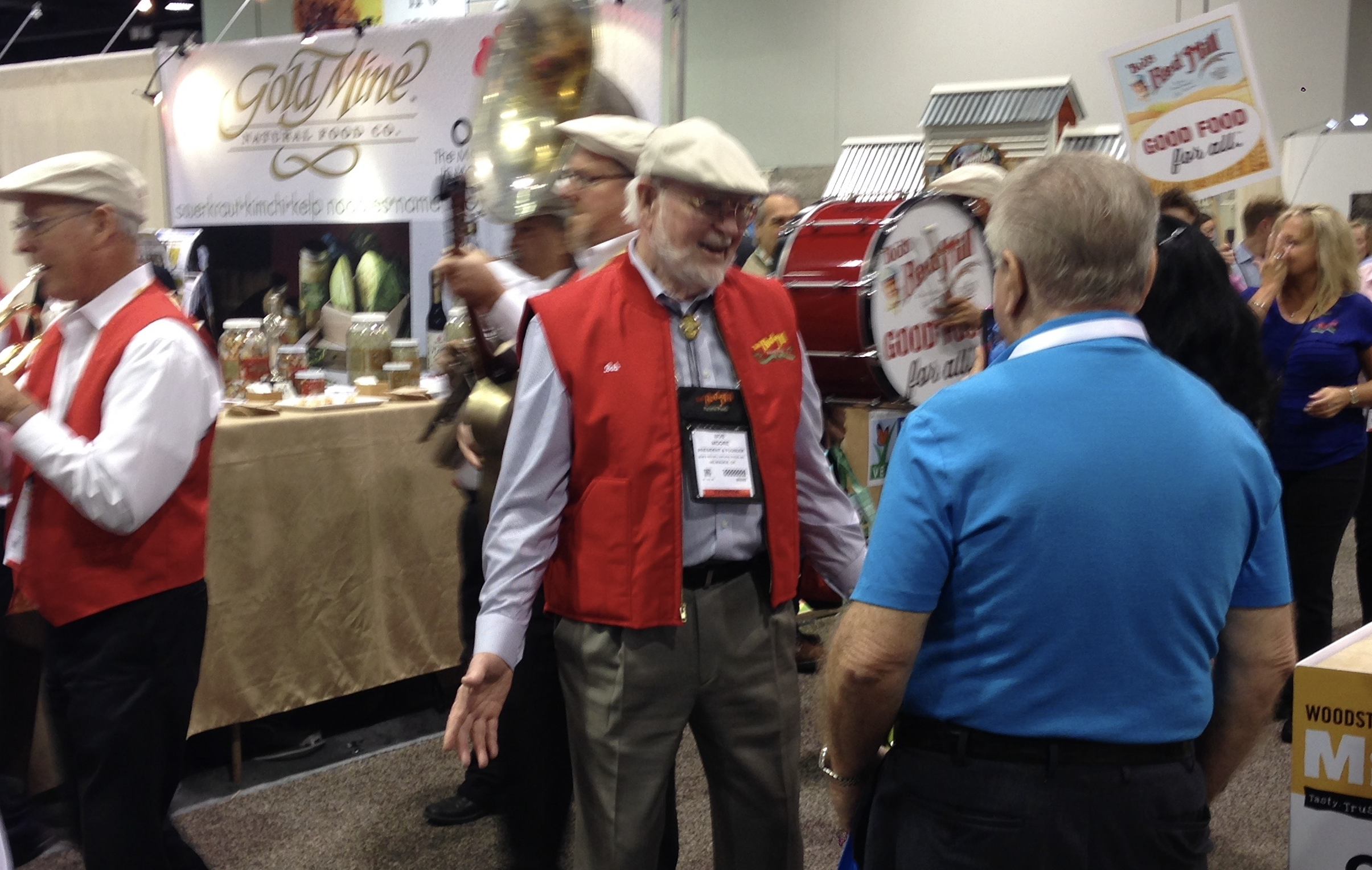
Bob Moore of Bob’s Red Mill, with the Dixieland Band
It means going to the right shows where attendees are from
companies that can ramp up distribution, that can become good partners. It
means making those connections and deepening them over the years so that your
products are valuable to them, and their ability to distribute into outlets
that you would have a difficult time doing on an individual basis is valuable
to both parties.
Yes, selling and making connections at tradeshows is
important. But one of the most important things to recognize is that once you meet
and acquire a partner there, part of the purpose of the show is to use it as a
platform to introduce new products. Not only that, but when you’re in those longer
conversations with partners, you can dig deeper into what’s important to them
and their end users, the consumers. Feedback is critical not only to making
sure the right products are being created and manufactured, but for keeping the
lines of communication open and honest. When problems come up, if you have a
good partner, the communication can be candid, and problems can be addressed.
Often a tradeshow is the only face-to-face meeting that partners have each
year, and the value of meeting and shaking hands and seeing people in person
cannot be overstated.
Use the tradeshow as a way to find and open new markets. Keep in mind that relationships will solidify as time goes by and the face-to-face communication is an important part of those relationships. Which you get when you sit down across the table at a tradeshow.
In three weeks, Natural Products Expo West will be launching
in Anaheim California. It’s a show that TradeshowGuy Exhibits is most involved
with of all the shows our clients go to each year. For the past couple of
months, we’ve been working with new and current clients to finalize artwork,
shipping and logistic schedules and more. It’s a crazy wonderful show. I’ve met
hundreds of people there over the years and gained clients with almost every
appearance. And of course, I’ve met people from companies that seemed to think
they’d become clients, but it never happened. Maybe next year!
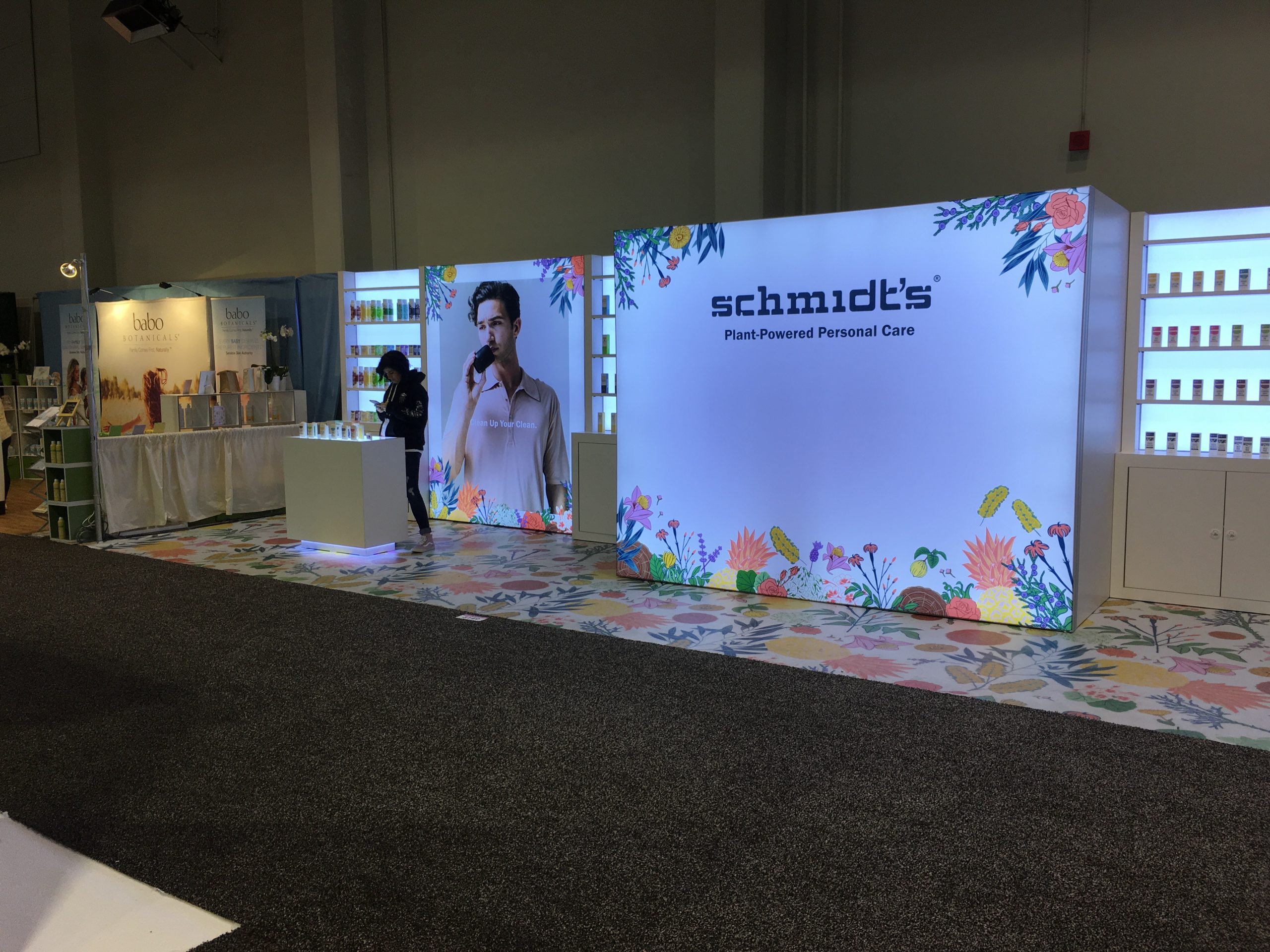
Schmidt’s Natural Products
The preparation for a big show for many clients goes well
beyond making sure the tradeshow exhibit is up to snuff and sporting new
graphics or furniture or counters or new AV elements or lights. It’s about making
sure they’re positioned right with new products and services. It’s about making
connections with old colleagues and meeting new ones. It’s about seeing what
your competitors are launching.
It’s also about all of the details and all the moving parts:
scheduling labor, electrical, shipping, flooring, furniture, you name it. There
are endless details when it comes to tradeshow marketing. Handling it each year
and making adjustments at the next show to improve is not uncommon.
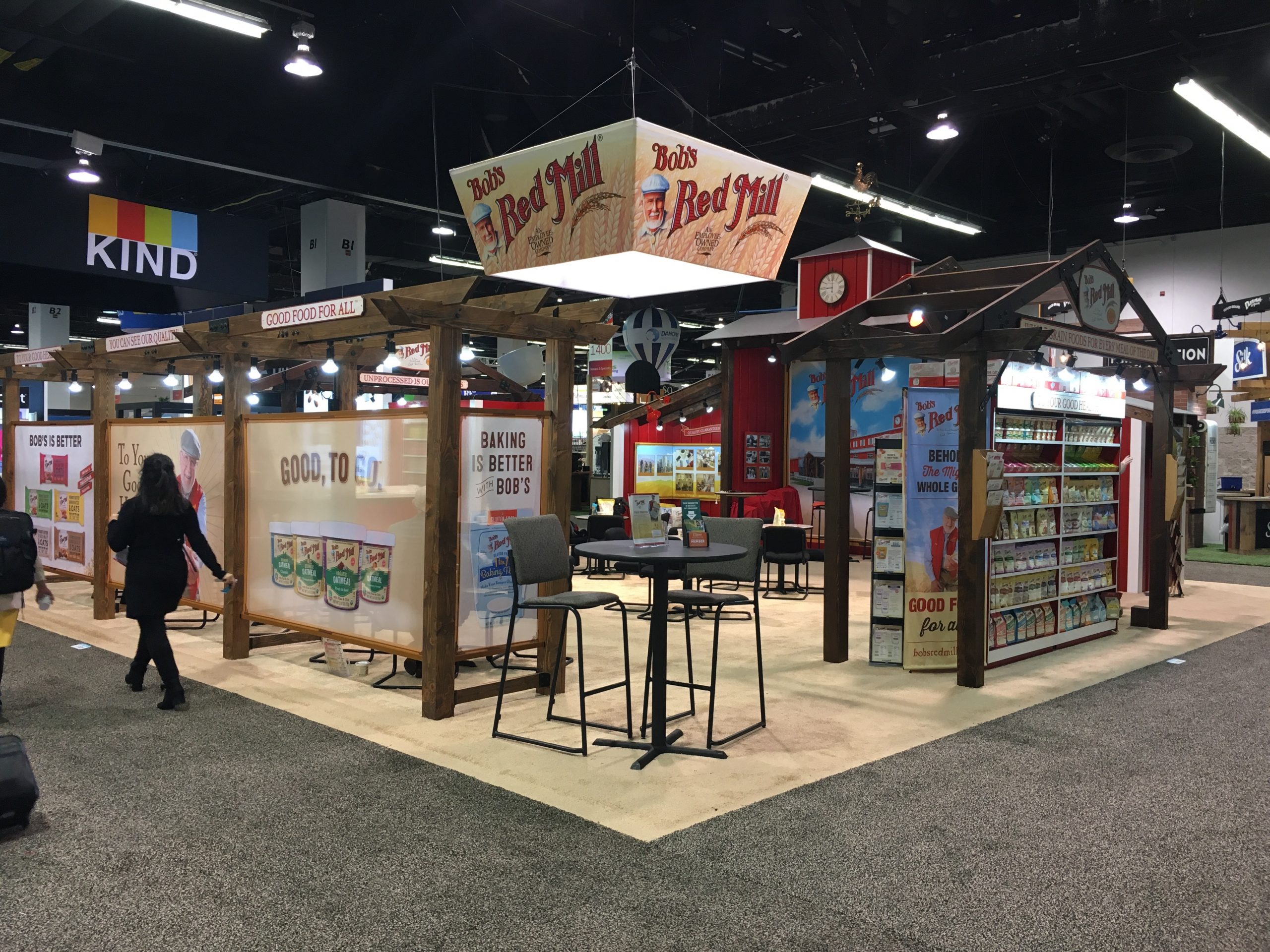
Bob’s Red Mill
We’ll report more from the show during and after, but if you want to see how last year went for us, well, it went pretty well. I don’t think we’ll be quite as busy this year as a few of those clients are not making changes to last year’s presentations. But yeah, we’ll be busy.
I look forward to walking the floor for a few days, seeing
what people are doing, talking with exhibitors, learning their challenges. I
look forward to being in warmer climes than Oregon during early March! I look
forward to connecting with an old friend in LA and catching up on a spare night
(there aren’t many).
Organixx
But most of all, I look forward to seeing the clients we’ve
worked with, whether for decades, years, or even a few months. I look forward
to seeing how all of the hard work is received. It’s great to make clients look
good, not only to their immediate supervisors who may not have been intimately
involved in the new exhibit or upgrades, but also the clients who come away
impressed with the exhibit.
Why rent furniture for your tradeshow booth? There are many reasons on both sides of the question. On this week’s TradeshowGuy Monday Morning Coffee, I sat down with John Peck of Cort Events to talk about furniture rental – and more:
Check out the selection of rental furniture at Cort Events – and yes, if you find something you’d like, contact us. We’ve worked with Cort for years.
It was a couple of months ago that we featured Dominic Rubino on the TradeshowGuy Monday Morning Coffee video blog/podcast. This month the interview Dominic did with me appeared on his Profit Toolbelt Podcast, which is aimed at the ‘growth-minded contractors,’ who often end up attending or exhibiting at home shows.
Our conversation focus was on how to stand out at a Home Show. Fun conversation. Click the image below or this link and head on over to the interview.
This is a guest post by Rodney Laws, Editor at Ecommerce Platforms.
We’re all familiar with tradeshow swag. If you’ve been through a hectic stretch of tradeshow attendance, you’ve surely lurched back to your vehicle of choice with a heavy bag of assorted items — and if you’ve ever presented at such a show, you’ve most likely opted, or been told, to hand out some products (free of charge).
It’s a long-standing staple of the industry,
so you might think it’s inevitable, but you have a choice in the matter. Don’t
want to offer free gifts? You don’t have to. If you’re on the fence, though,
you might be looking for a nudge in one direction or the other. So what should
you do? Cover your stall in tempting swag, or leave it bare and focus on the
reason why you’re there?
To borrow from ecommerce parlance (it is my industry, after all), it’s like the delicate matter of landing page development: you can have a generic landing page that doesn’t impress or offend, or you can build a custom landing page that differs from the competition in ways that may delight or frustrate. Neither option is perfect. Either can go wrong.
To help you decide what’s best for you, here
are the pros and cons of giving out free gifts. Consider them my gifts for you
(have I tipped my hand there?).
Why you should give out free gifts
All those tradeshow presenters can’t be totally misguided in breaking out the
swag bags. Here are the main reasons why you should dish out the goods:
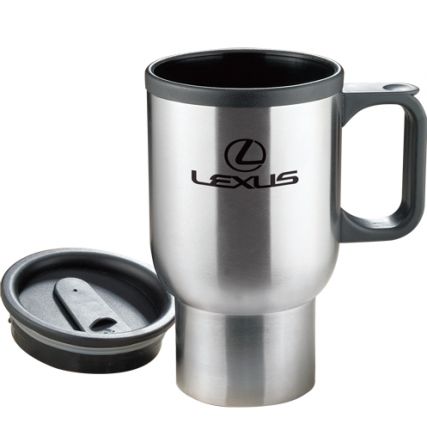
They can easily be branded. You don’t need to hand out generic items that will get thrown in bags and immediately lose any association with you. If you do it well, you can give out branded gifts that get across your brand identity and possibly your brand message too (it depends on how much space you have for text and visuals).
Tradeshows can be dry. As much as professionals will get hyped-up ahead of a tradeshow, the energy can run out quickly if exhibits are dull and they drank too much the previous evening. But free gifts will always get attention — and even if that attention is brief, it’s better than no attention at all.
You can get quite creative. Pens are always useful, but you don’t need to offer pens. If you can think of something portable and not overly expensive, you can make it a free gift, and that gives you a lot of creative scope. Look at what others are doing, and come up with something different.
People often expect them. Unfortunately, the precedent of free gifts at tradeshows can make life hard for those exhibitors who don’t have any. It might be viewed as indicative of a lack of effort, or even a cheapness that bodes poorly.
Why you shouldn’t give out free gifts
That something is popular doesn’t mean it’s sensible.
Here are the main reasons why you shouldn’t
give out free gifts at tradeshows:
The ROI might not be there. While it’s great to get plaudits for the quality of your swag, you
need meaningful ROI for the process
to be worthwhile. If you keep handing out products and getting less value in
return than you spend on them, then you’d be better served not giving out any
gifts at all. Sometimes there isn’t much point.
You can make it a selling
point. If you just have an empty stall, no one will
care, but if you make a point of your lack of free gifts — you could make it a
stand against plastic use, for instance, or simply explain that your brand is
so good that you don’t need gimmicks (this is itself a gimmick, of course, but
don’t mention that) — then you can get the same kind of attention at no cost.
Overall, then, should you bother giving out free gifts? Well, it depends on whether you think there’s ROI to be yielded. If you can choose the gifts well and make them actionable somehow, they can prove quite fruitful. Here’s my suggestion: try to come up with a smart free gift strategy. If you devise one, use it. If you don’t, forget the gifts. Simple!
Rodney Laws is an ecommerce expert with over a decade of experience in building online businesses. Check out his reviews on EcommercePlatforms.io and you’ll find practical tips that you can use to build the best online store for your business. Connect with him on Twitter @EcomPlatformsio.
The first time I walked “backstage” at a tradeshow, I realized how nuts it really was. A thousand different things going ten thousand different ways. Thousand of exhibitors, laborers, electricians, forklift operators, scissor lift operators, and so much more are all involved in an elaborate dance that takes place over a few days until opening day when everything looks perfect. Then once the show is over the same crazy dance happens in reverse.
Most people don’t think about what goes on behind the scenes, as long as it happens and their exhibit looks great for the show. But, oh, the things that have to happen for the show to take place.
For this week’s TradeshowGuy Monday Morning Coffee, I sat down with Jim Wurm, Executive Director of the Exhibitor Appointed Contractor Association. The EACA is the main organization that advocates for all of those behind-the-scenes companies and employers. And there are a lot of different ones. Really good conversation and yes, I learned quite a bit: