Stage One: Don’t we have a show coming up in, oh, a few months?
This is the stage where you KNOW you have a show coming up, but you haven’t confirmed dates, haven’t confirmed who’s going, don’t yet know what products or services you’ll be promoting and, well, basically, anything to do with the show. There’s still plenty of time, right?
Stage Two: Have you signed up for the booth space yet?
The dates in the calendar are definitely getting closer. Should we confirm the space? Who’s going to do that? What about travel – should we book that yet?
Stage Three: When are we going to look at the booth to see if it still has what we need?
Just a few weeks left. Maybe time to update the booth. Let’s get someone to set it up and see what shape it’s in. Does it need new graphics? Is anything broken? You know the drill.
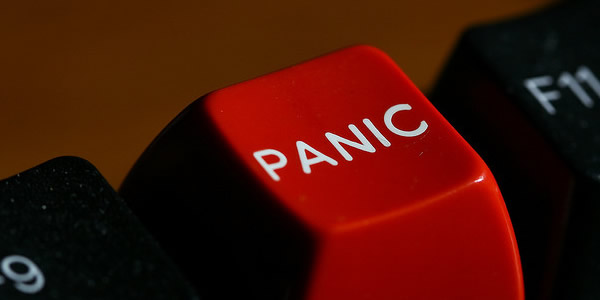
Stage Four: Panic!
Frantically shipping the booth, confirming lodging and travel with just a week or two left. Samples have shipped, right? What about the company branded shirts and promotional products? Isn’t Larry handling most of this? The PANIC stage moves from the brief pre-show panic into nearly full panic during the show, and finally subsides when you hit the airport.
Stage Five: It’s over, thank God! We don’t have to deal with it until this time next year!
I get this question frequently in its many forms: how much should a tradeshow exhibit cost? How much can I expect to pay for a new tradeshow exhibit? What is the price range for a new tradeshow exhibit?
While there is no set answer, as the price range can be YUUUge for similar exhibits, there are industry averages. Those industry averages adjust slightly from year to year, but to me a good rule of thumb is to assign about $1,000 to $1,500 a linear foot for inline booths and in the case of custom islands, figure the average square foot cost to be in the neighborhood of $135 – $160. In most cases these will be true, but certainly those numbers can be affected by adding a lot of electronics or custom items.
But you can also approach it from other directions. Such as: how much can you realistically spend? What are your expectations for your booth? How do you want your exhibit to compare to your fellow exhibitors, and especially, how do you want to be judged against your direct competitors? Knowing your budget and the limitations from that budget are important. However, I’ve seen creative marketing people manage to figure out how to squeeze every last drop out of a marketing dollar to make it go further than what you might do at your average tradeshow exhibit house. Backwalls made of old barn wood, pallets or bicycle frames, anyone? I’ve seen ‘em, and they can look good and function well.
Some of the tradeoffs involved with spending those marketing dollars on tradeshow exhibits mean that while you might come up with a very economical homestyle booth, it might take you a lot longer to set up and dismantle, and it might have to be trashed after a time or three at the show. And it might ship in odd shaped containers or on pallets. Creativity comes in all forms, but in the end it still has to conform to the realities of the world of shipping, and the ease of setting up and dismantling, and the size of your assigned booth space.
Often a company will be faced with competitors that are dominating the show in terms of size of booth and in-booth activity, which leads to more show floor sizzle and buzz. So the question becomes one of whether you have the financial ability to compete at that level.
Another way to look at the puzzle is to know that you don’t have the budget to scale the mountain like those other competitors, but you do have something else: a creative marketing group that knows how to stand out in a crowd.
It’s another way of saying that yes, industry averages are a good starting point to know what things cost that end up on the tradeshow floor, and yes, you can hack your way into a cheaper booth, but what is your net result? Regardless of what the booth costs or looks like or how much or little you spent, you still have to live in it for days at a time, and you still have to invite attendees in and pitch them on your products or services. And the more conducive your exhibit is to those parallel goals, the higher your chances of success.
While having a great exhibit is certainly important, it’s not everything.
Knowing how to attract a crowd is important, but it’s not the everything, either.
Knowing what to DO with the crowd once they arrive – now that’s your meal ticket!
Want some great tradeshow lead generation ideas? Well, sure, don’t we all? A quick online search found quite a few ways to skin the cat, as it were.
First, let’s start with Skyline’s Mike Thimmesch, who posted an article called 100 Tradeshow Lead Generation Ideas. It’s a great post, one where he splits the batch of ideas into several sections, including the shows you go to, the type of booth you have, pre-show promotions, at-show giveaways and activities, and better booth staffing. Great list, Mike! (BTW, if you Google the title of the article, you’ll see that a lot of folks have referenced his article over the years since it was published!)
Our old pals over at Handshake have a post called 22 Guerrilla Marketing Ideas for Trade Shows. In it, Mandy Movahhed breaks it down into sections, including pre-show, at the show, outside conference / onsite promo. Lots of fun ones here, including having a street musician at the show singing your praises as attendees enter the show each day.
Julius Solaris is the editor at the Event Manager Blog, and he put together an article with a lot of great ideas on how to drive traffic to your booth using (mostly) social media. Some good do’s and don’t’s here, along with terrific in-booth ideas such as mini-live streaming, charity giving, and engaging attendees with offline tweets. Check out 20 Tactics to Drive More Attendees to Exhibition Booths.
Finally, I want to share an e-book/slide deck from Bartizan called “The Ultimate Guide to Tradeshow Lead Generation.” In 30+ pages, Bartizan paints a full picture of how you can position your tradeshow booth, staff and products or services to most effectively compete for leads at your next tradeshow.
Tradeshow record keeping. Yikes! Who wants to keep track of everything.
Record keeping is one of those things that most of us wish we didn’t have to do, – we know it’s tedious – but know we really should do. So how much should we keep, what should we keep, where is the best place to keep it, and WHY?
Tim Patterson discusses tradeshow record keeping in this brief but informative webinar:
As tradeshow veterans, you probably have your go-to list of ‘don’t forget’ items. So I thought it would be fun to check around and compile a thorough list of things you might at least consider taking in your kit. Whether they are in a travel bag, or (in some cases) in the exhibit crates, the list can get long. The key is to have an item when you need it. And being on the tradeshow floor trying to get a light to hang, or unscrew a tight screw or fix a banner stand, each situation requires a different fix.
So let’s jump in and see what people would put on their list.
When it comes to tradeshow marketing, sometimes you have to ask the question: why?
It used to be that I liked to buy the new things without a whole lot of thought. If I could afford it, I’d get it. New camera, bicycle, car, album, phone, appliance, whatever. But these days I tend to think a lot more about it, and end up asking myself why should I buy that thing? To what end? Why should I get it? What is the reason for acquiring something new? In most cases, I don’t have an answer. It’s why my great little Macbook Pro is 5 and a half years old now, and runs great. It does all I need. It’s why it took me a few years to finally get that new bicycle that I’ve been thinking about. Now that I have it, I ride every day for at least 20 or 30 minutes, rain or shine. I ask “to what end?” and if I don’t have a good enough answer, I just wait.
You can also ask the same question about tradeshow marketing: to what end? What do you get out of it? Even though I’m in the business of selling tradeshow exhibits and helping people with their tradeshow marketing, I will ask what their goals are. They should be well-defined. They should have a reason for spending money on something new, or going to shows over and over.
It may be that going to a show opens new markets, or helps you connect with old clients on a personal level, leading to more sales, or to show off new products and new services. It could be anything that makes sense and will help grow your business. But since tradeshow marketing is an expensive proposition when you add it all up, make sure you answer the question:
First things first: I’m not an expert on virtual reality at tradeshows, known as VR! But there’s a lot of information out there which I’ve absorbed along with some observations on using technology in a tradeshow, so I thought it would be fun to explore the topic from the perspective of using VR at tradeshows as an attractor.
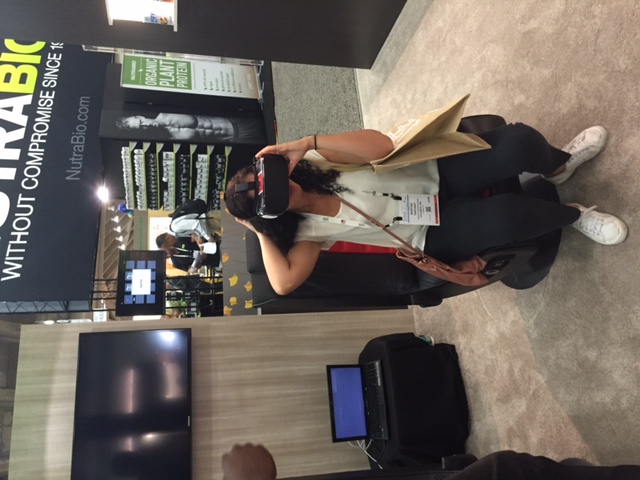
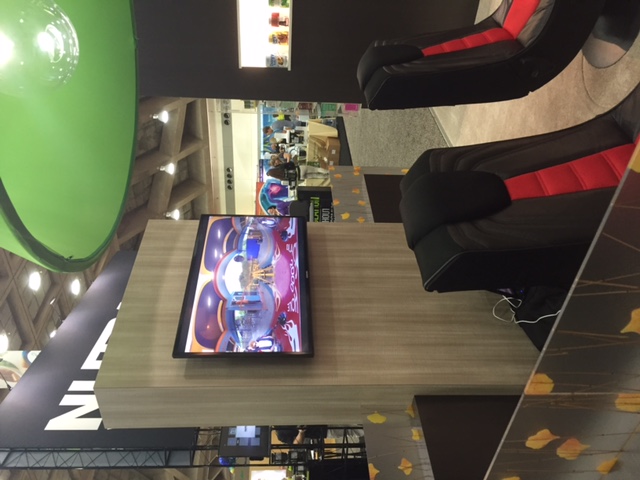
Virtual Reality experience at Expo East. Photo by Jennifer Liu of Hyland’s Homeopathic.
In a recent conversation with Jennifer Liu with Hyland’s Homeopathic, a long time client and an attendee at Natural Products Expo East, she mentioned that there were a handful of exhibitors there using VR in their booth.
My first question when it comes to using VR, or any video in a tradeshow is this: what is your content? After all, content is everything. Without the right content, you might as well forget it.
Apparently the content at one of the booths involved spacious outdoors and action video: glaciers, mountains, beaches, and so forth. The idea was for the viewer to experience the full spectrum of virtual reality, regardless of the relationship that content had to the exhibitor’s product or service.
If you’re going to invite people into an engaging and intimate experience using VR in your booth, it would seem to me that you’d want to make some sort of connection between the experience and your product or service. If you’re a company that provides outdoor climbing or hiking gear, for instance, having 360 VR video of hiking or climbing would make sense. But if you produce chocolate bars or headphones, you’d have to ask yourself how that VR experience of hiking or climbing would relate. And while you might be able to find at least a tenuous connection, the stronger the connection, the better.
Starting Up with VR
In Foundry 45’s blog, there’s a discussion of the first step of creating content for VR. Record a bunch of video with the right cameras! This post discusses how to approach using VR for a tradeshow. Without spending a lot of time quoting the article, their advice is sound: do a dry run before the show, be prepared to help newbies, create a safe VR zone, use good sanitation techniques for the headsets, and so on.
Headsets
Photo by Jennifer Liu
When it comes to how people experience VR, the headset is one item you’ll need to decide on. Wareable has a recent rundown of several sets, including Oculus Rift, Playstation VR, HTC Vive, Gear VR and others. These range in price from about $100 to nearly a thousand bucks. And of course there’s Google Cardboard for just $16.99. And where do you have visitors sit? You might want to give them comfy auto-race car type seats which hold them comfortably and safely while they zoom around a virtual world. You might check out the Roto Interactive Virtual Reality Chair. No doubt it would give you a line of people waiting to get into your booth!
Whether you choose to incorporate VR into your exhibit now or not – or just wait and see, it’s safe to say more and more exhibitors will step into the VR world as time goes by. If you do consider it, make sure it’s a good fit for your product or service, and make sure you have content that is a good match to keep visitors engaged and learn about what your company can do for them.
The trick these days is to find a shortcut but frankly you can’t hack tradeshow success. You know, the kind of shortcut that allows you to find success without really working on it. One of the most popular sites is LifeHacker which shows many ways to exploit rules to your advantage, survive a wasp attack, build a GoPro mount from a plastic pop bottle and more.
Oddly enough, if you search Lifehacker for “tradeshow” you don’t get any life hacks for tradeshow success.
That’s because almost everyone will tell you that if you want to be successful in tradeshow exhibiting, you have to put in the work.
Oh, sure, there will be people who will cobble together a creative booth for a few bucks out of bicycle frames or old barn wood or whatever, but it doesn’t really get you to a successful tradeshow experience.
It takes work, planning, execution, review, re-focusing and continual incremental improvement to keep building your track record.
You may find hacks for lots of other parts of your life, but when it comes to business, more so-called hacks aren’t worth the digital ink spilled. Put in the work.
When you do become successful, it’ll be worth much more anyway.
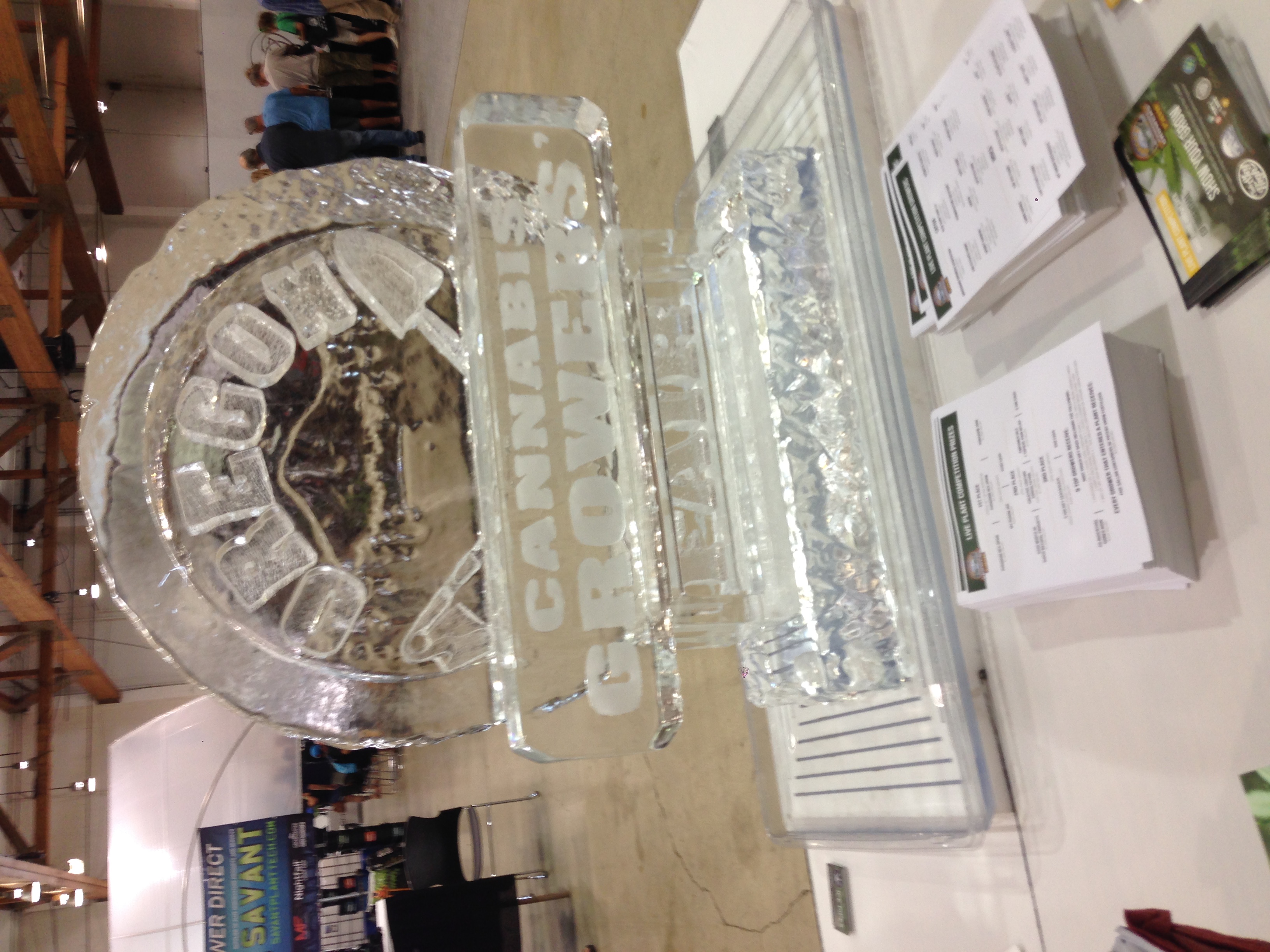
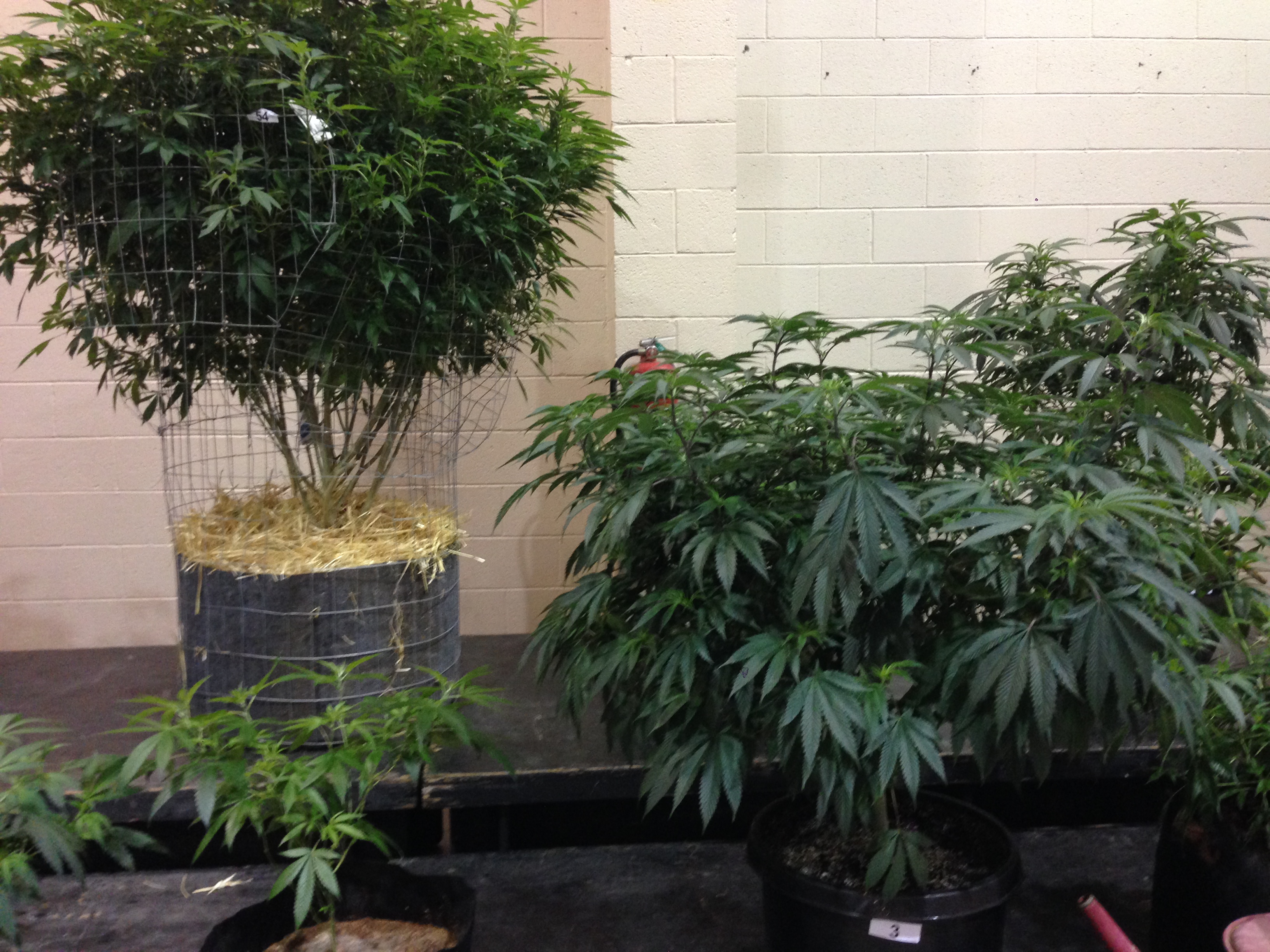
The recreational cannabis business is exploding. At least in Oregon, Washington, Colorado, Alaska and Washington, DC. Which means that the marijuana growing and selling is also booming. I attended the Oregon Cannabis Growers Fair recently to find out exactly how big it really is.
It’s big. And getting bigger. The two-day event was held at the Oregon State Fairgrounds in Salem (just a hop, skip and jump from our office!). There were roughly six dozen exhibitors, hawking things from cannabis growing containers, to business support software, makers of pot edibles, promotional items aimed at the ‘high’ market and much more. I should emphasize that no one was allowed to sell or consume any cannabis products on site. However, you could collect business cards and discount coupons for your next visit to the local marijuana dispensary.
One representative of an industry group, the National Cannabis Industry Association, told me that the industry has seen an explosion in tradeshows. “Some are great, others not so great,” she said. When I picked up a free copy of DOPE magazine, I saw at least a dozen other shows being promoted between now and early next year, so the growth is evident.
As far as exhibits go, there were not too many that one would call sophisticated. However, that leaves room for growth, no doubt. Certainly a handful of exhibitors came prepared to show off their business in a good light. Some booths were professional, some were home-made. Most appeared to be slapped together by companies that either don’t have much of a budget or weren’t aware of what it really took to put a good booth together. Some exhibitors I spoke with were very new to exhibiting, so that makes it understandable. But with more states voting to legalize recreational use of cannabis this fall, with California squarely in that target as being not only the most populated state in the nation but with polls showing that 60% of voters in the state currently favoring legalization, the industry is poised at a tipping point to continue to boom.
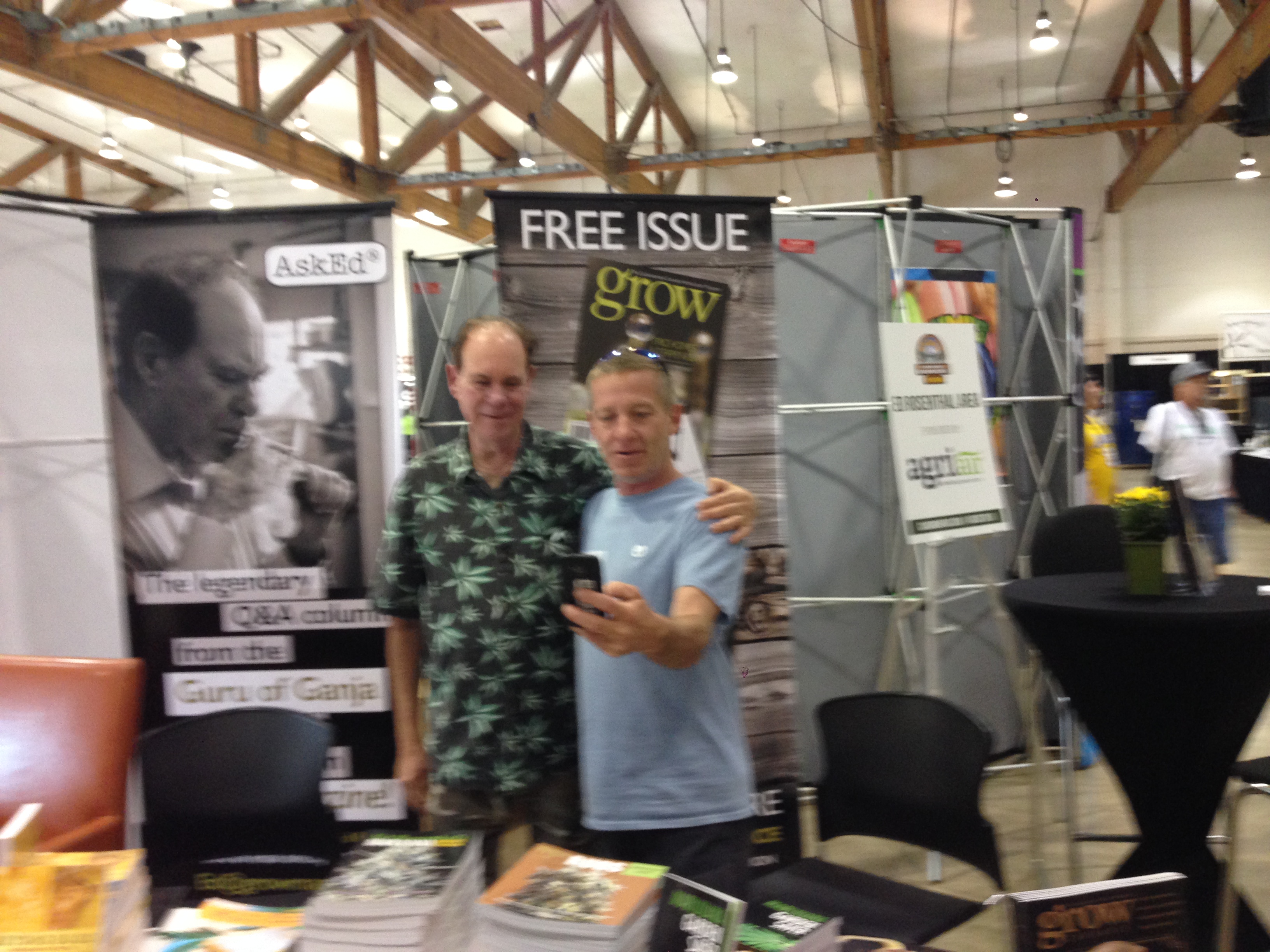
Author Ed Rosenthal poses for a photo with a cannabis fair visitor.
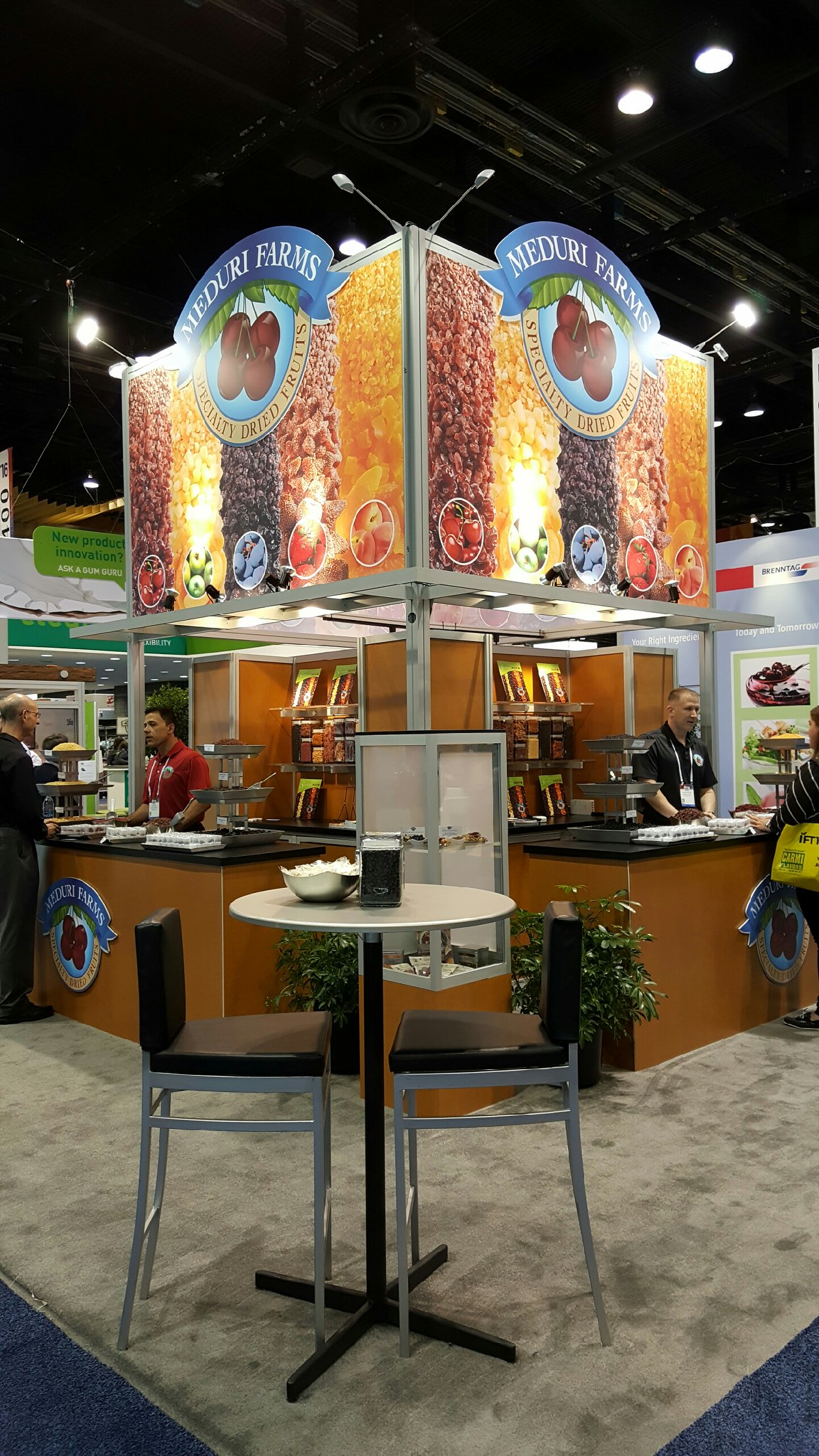
Meduri Farms 20×20 custom exhibit, seen at IFT, Chicago, July 2016
You never know exactly how new clients will find you. It could be from an introduction at a tradeshow. It might be from someone hearing a webinar that impressed them enough to make a call. It might be from an internet search or a referral. The Meduri Farms exhibit project came about thanks to an online search.
One of our most recent clients, Meduri Farms of Dallas, Oregon, found TradeshowGuy Exhibits through a Google search. Through a few months of back and forth to answer questions, the issuing of a Request for Proposals including a design from scratch, we ended up getting the project. It was awarded in March after a competition of four or five exhibit firms, and kicked off in April, finally making it’s debut in July at the Institute of Food Technologists show in Chicago at McCormick Place.
Design was by Greg Garrett Designs. Fabrication by Classic Exhibits. The 20×20 structure was a combination of original design (the tower/alcove unit and product display unit) and rental (counters). The top section of the tower features SEG fabric images up to about a 15′ height which grabs eyeballs from a distance.
The 15′ tower is 9′ x 9′ with a meeting space in the bottom. Two sides are taken up by alcoves that display products and offer plenty of storage room. The roughly 10′ counters give more product display area and more storage for the oodles of samples handed out during the show.
According to Sara Lotten, Sales & Customer Service for Meduri Farms, management loved the booth and the results it brought (“that’s beautiful!” was the comment passed along as the president first laid eyes on the booth at the show). Meduri Farms got a great number of positive comments about the booth. Comments are great, but results are more impressive.
“We got as many leads the first day with the new booth as we did all of last year’s show. We ended up with three times as many leads for the show as last year,” said Lotten.
Meduri Farms, Inc., founded in 1984 is a premier supplier of specialty dried fruits to food manufacturers around the world.